

Mary Seacole is a celebrated London figure, known for her work as a nurse in battlefield conditions. She left an indelible mark on history through her dedication and bravery during the Crimean War. Discover more at londonka.
In London, she is honoured as a key historical figure who cared for the sick. In her time, she challenged societal expectations and prejudices. Despite facing racial and gender discrimination, her legacy faded into obscurity after her death, but her remarkable contributions were eventually recognised.
Early Life
Mary Seacole was born Mary Jane Grant in 1805 in Kingston, Jamaica. (At the time, Jamaica was a British colony). Her father was a white Scottish soldier in the British Army, and her mother, a woman of mixed race, ran a boarding house for officers and their families. Her mother was also a traditional healer who prepared herbal remedies, and it was from her that Mary learned the art of healing.
As a teenager, Mary visited London. In 1836, she married Edwin Horatio Seacole, who passed away in 1844. After her husband’s death, Mary travelled extensively, learning new healing methods in various countries. This knowledge proved invaluable in her later work. She then opened a boarding house and, in 1850, began treating cholera patients in Kingston. In 1853, she returned to Jamaica during a yellow fever outbreak, where she once again used her herbal treatments to care for the sick.
The Crimean War
When the Crimean War broke out in 1853, thousands of soldiers were wounded, and many others died from diseases like cholera. The war, which lasted from October 1853 to February 1856, was fought by an alliance including Great Britain against the Russian Empire. A year into the war, Mary requested to be sent to the front as an army nurse but was refused, largely due to her race. Undeterred, she decided to travel to the Crimea using her own funds and medical supplies. There, she established the “British Hotel,” which functioned as a canteen and makeshift clinic for soldiers near the front lines. She provided them with food, care, and treatment, often risking her own life under fire.
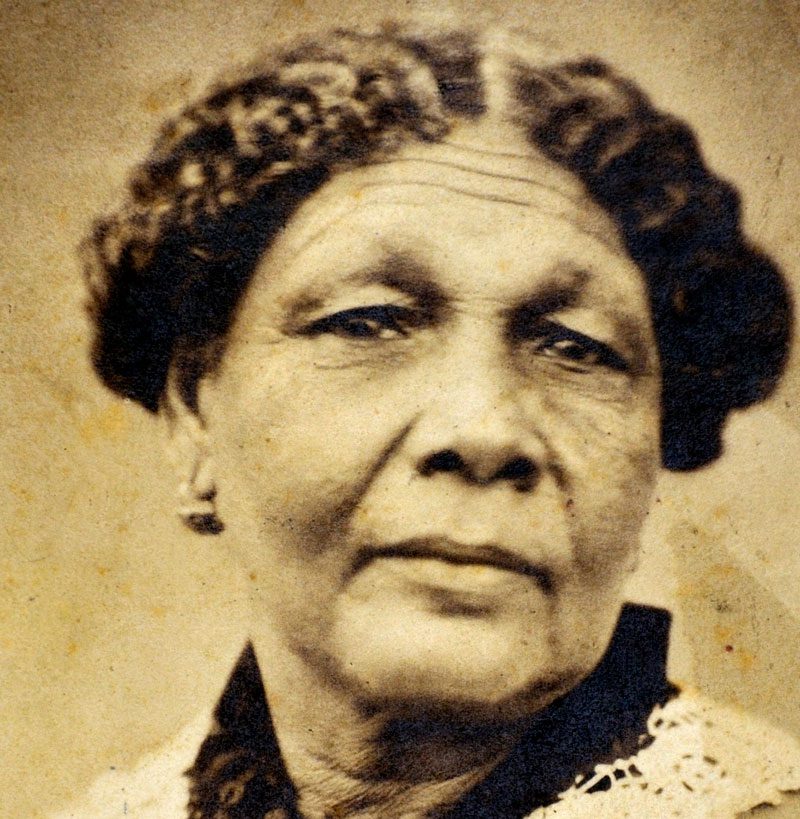
The soldiers affectionately called her “Mother Seacole” for her kind and attentive nature, as she cared for everyone and provided aid even in the most dangerous situations. Although her work was voluntary, her dedication impressed many, including the British commander, Lord Raglan. He acknowledged that her contributions were as valuable as those of the official medical staff.
Life in London and Legacy
After the war, Mary Seacole returned to London destitute and in poor health. Soldiers she had helped, along with ordinary citizens and even members of the royal family, came to her aid. However, her achievements were initially overshadowed by those of Florence Nightingale, another nurse who served in the same war. In her honour, a fundraising gala was held in 1857, attended by over 80,000 people. That same year, she published her autobiography, “Wonderful Adventures of Mrs. Seacole in Many Lands.” It was one of the first autobiographies ever written by a mixed-race woman. Mary died on 14 May 1881 in Paddington, London, and was buried in St. Mary’s Roman Catholic Cemetery in Kensal Green. Tragically, her story was largely forgotten for nearly 100 years, until a group of nurses from the Caribbean visited her grave in London.
It was not until the turn of the 21st century that Mary Seacole’s accomplishments were fully celebrated. Interest in her work was revived in the 1970s. Her grave was rediscovered in London in 1973, and since then, efforts have been made to honour her memory. Hospital wards, postage stamps, and memorial plaques have been named after her. In 2004, Mary was voted the “Greatest Black Briton.” In 2016, a statue was unveiled in her honour in the grounds of St Thomas’ Hospital in London. It was the first statue in the UK dedicated to a named black woman.
Despite the gender and racial discrimination she faced throughout her life, Mary Seacole left a lasting mark on history. Today, her work serves as a powerful example of selfless dedication to others. Her legacy is carried on by the Mary Seacole Trust (MST), which educates the public about her life and work to ensure her contribution is never again forgotten.