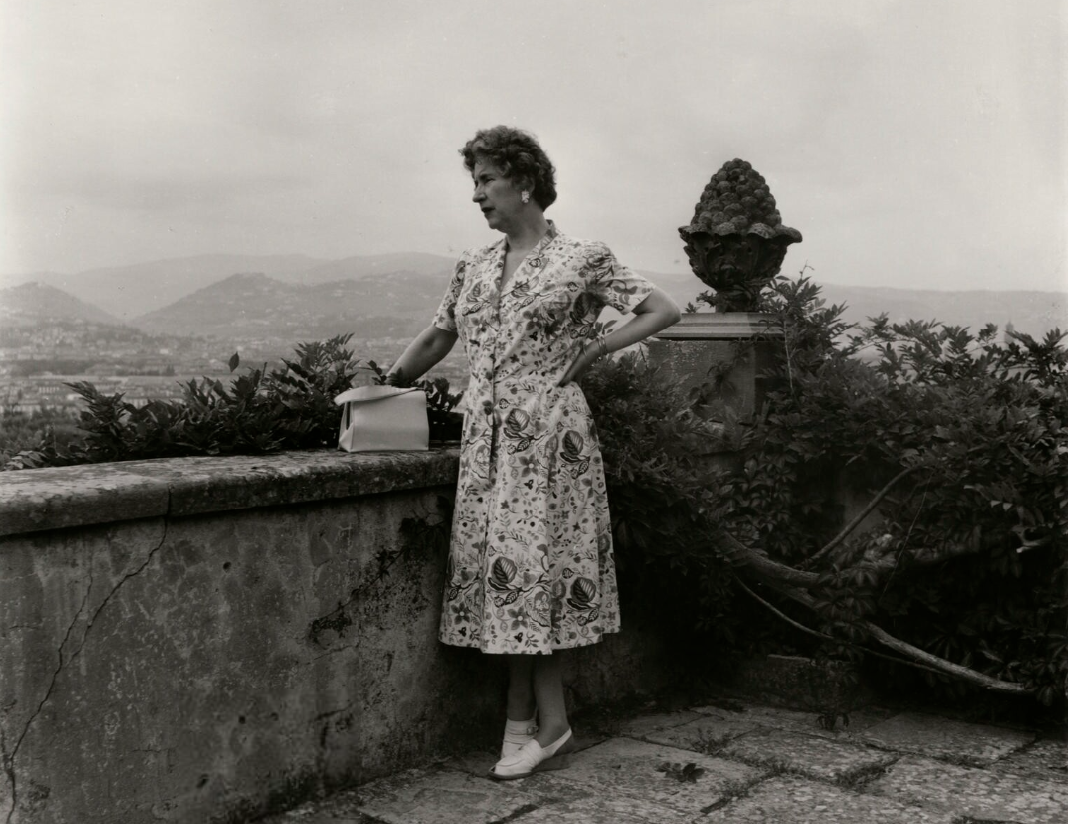

Violet Trefusis was a woman who flatly refused to live by the rules of her era, carving her own path through the worlds of culture, travel, and daring ideas. A writer, cosmopolitan figure, and patron of the arts, she moved effortlessly between London, Paris, and Florence, gathering intellectuals and artists in her wake. Her life, filled with creative exploration and scandalous passions, became a vibrant phenomenon within the 20th-century European bohème. Read more on londonka.
Early Years and the Creative Trajectory of Violet Trefusis
Violet Keppel was born in London on June 6, 1894. Her family’s home in Portman Square wasn’t just a privileged city residence; it was a hub of high society. When Violet was a child, her mother, Alice Keppel, became the mistress of Albert Edward, the future King Edward VII. This connection provided her with a gateway into a circle where intellectual and aristocratic refinement was the norm. From a young age, the girl possessed a sharp mind and a voracious curiosity that encompassed art, books, and travel. She hunted for first editions, collected antiques, and had a passion for cinema.
Her education at the Munich School of Arts, followed by the Slade School of Fine Art, only solidified Violet Keppel’s avant-garde sensibilities. By the time World War I began, she was already a prominent figure in London’s bohemian scene. This enthusiastic young woman was talented, cosmopolitan, and dazzling, possessing that innate freedom that effortlessly captivates attention.
In 1919, Violet Keppel married Dennis Trefusis. However, this didn’t stop her from pursuing a passionate affair with Vita Sackville-West—a writer, an aristocrat, and a woman who also sought a way of life outside of imposed conventions. The lovers’ private journeys across Europe, their letters burning with tenderness and defiance, and their attempt to live together in France in 1920 nearly caused a society scandal. Vita was already in an open marriage with Harold Nicolson, so their romantic triangle did not go unnoticed. In 1923, the scandalous pair published the novel Challenge, which embodied their vision of freedom and passion. The book was banned in Great Britain but was released in the US, confirming their bravery in standing up against moral norms.
Much like Vita Sackville-West, Violet Trefusis immersed herself in literary work. Her debut novel, Sortie de Secours (1929), told the story of a woman who tries to provoke jealousy in her lover but falls for an older man. After a journey of deception and self-discovery, she ultimately uncovers the value of freedom. But her most eloquent work was Broderie Anglaise (1935)—an emotional yet sophisticated response to Virginia Woolf’s Orlando. Woolf’s novel, dedicated to Vita, compelled Violet to react in her own way, creating a text where fiction merged with real-life experiences and jealousy.
Meanwhile, tensions escalated within the Sackville-West family. Despite his tolerance and unconventional nature, Harold Nicolson threatened to end his marriage if Vita didn’t stop her elopements with Trefusis. Yet, even after the break-up, their paths continued to cross. During World War II, having returned to London, Violet participated in the radio programme “La France Libre”, supporting the French Resistance. In 1940, the former lovers met again. They continued to exchange letters, filled with affection and nostalgia.
As early as 1924, Alice Keppel had purchased L’Ombrellino—a spacious, light-filled villa above Florence, where Galileo Galilei once lived. Following her parents’ deaths in 1947, Violet Trefusis inherited this home, making it her final refuge. Amidst the Tuscan hills, in the quiet of the olive groves, she wrote new novels—sometimes in English, sometimes in French—working also in her medieval retreat in Saint-Loup-de-Naud, gifted to her by Winnaretta Singer. Her life concluded within the walls of L’Ombrellino on February 29, 1972.
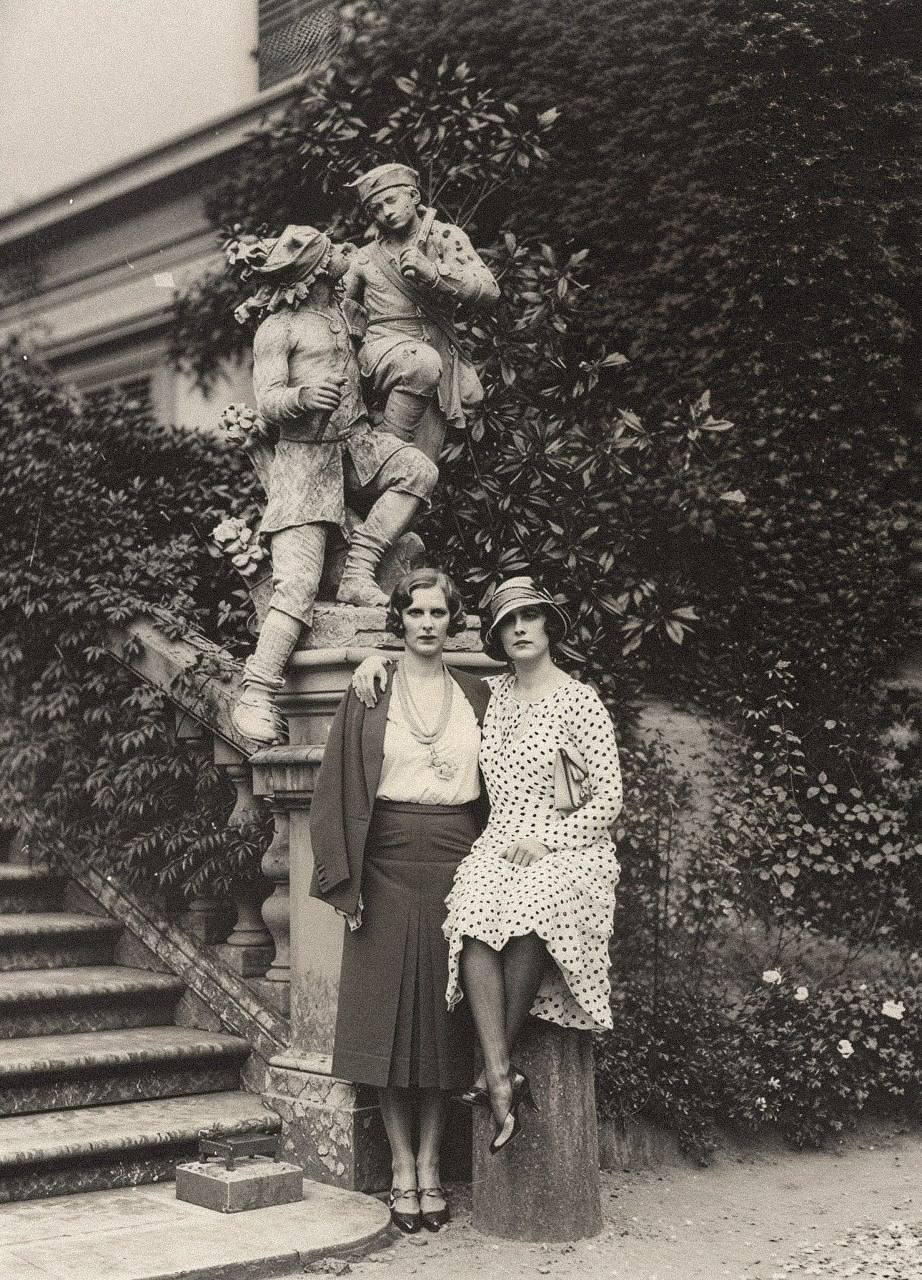
Vita Sackville-West and Violet Trefusis
Recognition and Significance of Violet Trefusis’s Work
Violet Trefusis’s multilingual literary legacy encompasses numerous novels and essays in both French and English. Some were commercial successes and earned high praise from contemporaries, while others were never published. Together, however, they demonstrate her constant inner work. At the same time, her public persona was largely overshadowed by her notorious affair with Vita Sackville-West. Her personal life became a subject of endless scrutiny, occasionally undermining her perception as an independent author. Nevertheless, it was this very contrast that made this enthusiastic woman a resonant figure of her time.