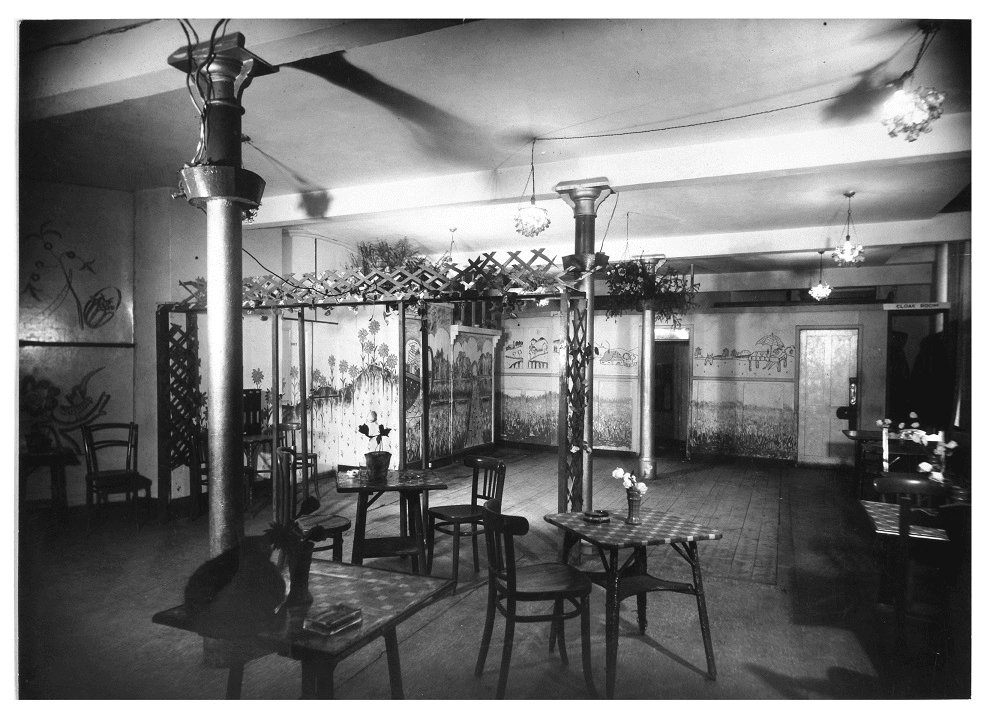

Against a backdrop of condemnation and the criminalization of same-sex relationships in Great Britain, Billie’s Club emerged as a space in the fight for dignity and visibility. It stood out from other clubs in the area with its sophisticated and formal atmosphere, which contrasted with the bohemian spirit of other venues. The spacious venue, complete with a dance floor and a grand piano, attracted a predominantly male clientele seeking not only entertainment but also the freedom of self-expression. Read more at londonka.
The Founding and History of Billie’s Club
In October 1935, Billie Joyce founded Billie’s Club at 6 Little Denmark Street in Soho. The new space quickly gained popularity within the queer community, becoming not just a place for recreation but also a hub for cultural self-expression. Patrons were drawn to both the atmosphere and the live bands, which included openly homosexual performers.
Billie’s Club was distinguished from other Soho clubs by its more formal environment. Eyewitnesses recalled that nearly all of its patrons were men wearing makeup, who engaged in close dancing and would disappear into the restrooms. Unlike the bohemian establishments in the area, this spacious venue with its dance floor and piano offered a completely different, more refined experience. This interior helped create a unique atmosphere that combined aesthetics, freedom of expression, and social courage.
However, this success also attracted unwelcome attention from law enforcement. On November 14, Billie’s Club was the target of a police raid. Some publications reported that several people fainted during the event. Meanwhile, the club’s founder, Billie Joyce, vehemently denied any suggestions of immorality. “They’re not all bad. It’s my job to control them,” she declared in response to the arrest warrant.
Later that night, 37 people from Billie’s Club were arrested and taken to the Bow Street police station. The press at the time covered the events in detail, noting the diverse professions among those detained—from musicians and soldiers to actors and domestic servants. This spectrum demonstrated that the establishment attracted people from various social strata.
On January 12, 1936, all those arrested from Billie’s Club appeared before London’s Central Criminal Court. The main charges involved keeping a disorderly house, as well as aiding and abetting. The law considered even regular patrons of the club to be accomplices to the offense. In effect, anyone who sought to be part of a free queer space faced condemnation and criminalization.
The trial of the Billie’s Club members lasted five days and was widely covered in the national press. All the accused pleaded not guilty, but 21 people were convicted. Each received an individual sentence depending on their role in the case. Additionally, the club’s founder, Billie Joyce, was sentenced to 12 months in prison for keeping a disorderly house.
The Legacy and Significance of Billie’s Club
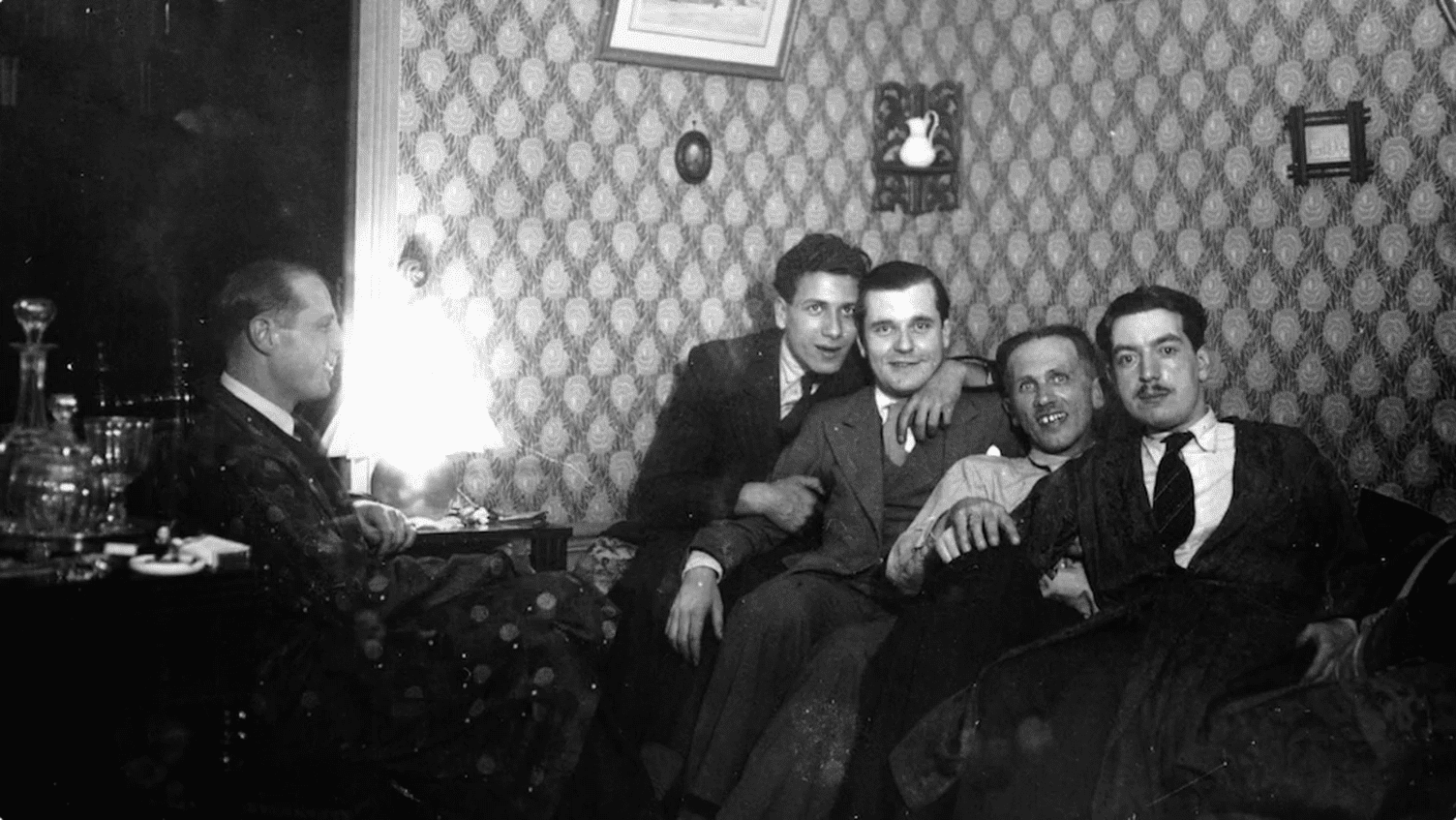
The legacy of Billie’s Club extends far beyond its short history. Within its walls, the songs and works of artists like Fred Barnes, Rosa Loader, and George Barry were heard. It was a place where artists danced, soldiers relaxed, and even cleaners found refuge. However, police activity in such places was often conducted undercover, and its controversial nature remained a relevant issue for decades. Ironically, it was these very acts of persecution that enabled the existence of such spaces to be documented. Thanks to these police reports, newspaper articles, and court records, the history of these pioneering queer clubs and their contribution to the fight for equality remains visible.