

London isn’t just a historic city where global politics and culture were born. It’s a city where ideas about beauty, femininity, and self-care were shaped. Over the centuries, the women of the city sought out beauty secrets, incorporated cleansing rituals, and created their own cosmetic products.
From Mediaeval beauty recipes to Victorian-era parlours, London women employed various methods to enhance their appeal. Women’s lives were governed by domestic work and raising children, yet despite everything, they always wanted to look elegant and feel dignified. Read more at londonka.
Natural Remedies of Earlier Eras
London women widely used cosmetics throughout the Middle Ages. At the time, self-care was closely linked to natural remedies and religious constraints. Natural products were prepared from animal fats, rosemary, cucumbers, aloe vera, honey, seeds, and flowers. Skin was kept smooth using plant-based treatments that soothed rashes. It’s worth noting that church leaders condemned excessive attention to one’s appearance, body, and hair, often viewing concern for one’s looks as vanity.
As water supply issues meant bathing was rare in ancient London, rough cloths were used to clean the face and body. Teeth were cleaned with ash mixed with herbs. Wealthy women were assisted by maids who brushed and braided their hair, often decorating it with ribbons.
Intriguingly, in Wroxeter, the largest Roman settlement in Britain, archaeologists discovered 50 pairs of tweezers, which were used for removing body hair. This finding suggests that women practiced self-care in ancient times. Hair removal was even common among men who engaged in physical exercises like wrestling. Men’s hair pluckers worked in the public baths and shouted to draw attention to their services.
Victorian Era Hygiene
During the Victorian era, hygiene and self-care became a significant part of women’s lives. Improved hygiene was possible thanks to wider access to water and soap. Turkish baths became very popular. Yet, at this time, women could not vote or sue, and married women had restricted property rights. Such stereotypes established clear expectations that women should stay at home, keep the house clean, and raise children. Therefore, the ideal wife was associated with duty, not with elaborate self-care or beauty routines.
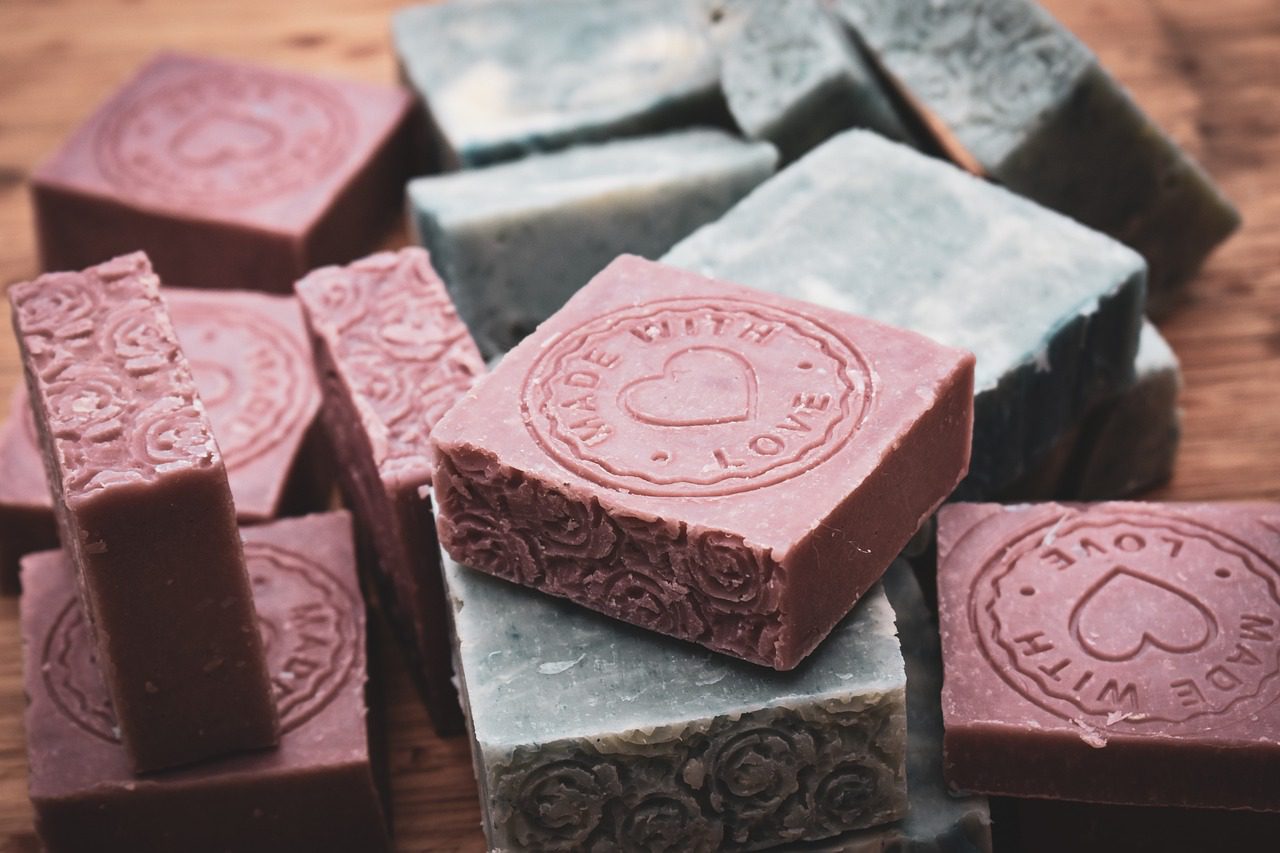
Londoners with money had a greater chance of pampering themselves and enhancing their attractiveness. To achieve a smooth forehead, clear skin, curled hair, and coral-tinted lips, women had to pay beauty practitioners. For instance, pimples were treated with mercury pastes or a home remedy made from a calf’s leg boiled in river water. Skin had to be pale, so ladies never left the house without a parasol or a bonnet, and freckles were washed off with lead lotion. Wrinkles were treated by rubbing the face with raw onion or pineapple. Hair was washed with egg whites, rum, and rosewater, and pig fat was added for shine. Teeth were whitened with toothpaste made from charcoal and sulphuric acid, followed by a mouth rinse with lemon juice.
The 19th Century and the Business of Beauty
The Industrial Revolution changed the rules of self-care. Most women began working, and their lifestyles gradually evolved. Because of this, women’s clubs and parlours began to appear in London, where women could relax and take care of themselves. For example, the first public toilet for women opened near Oxford Circus in 1884. This was a crucial moment in meeting a public need and provided a private space for women to refresh and tidy themselves up.
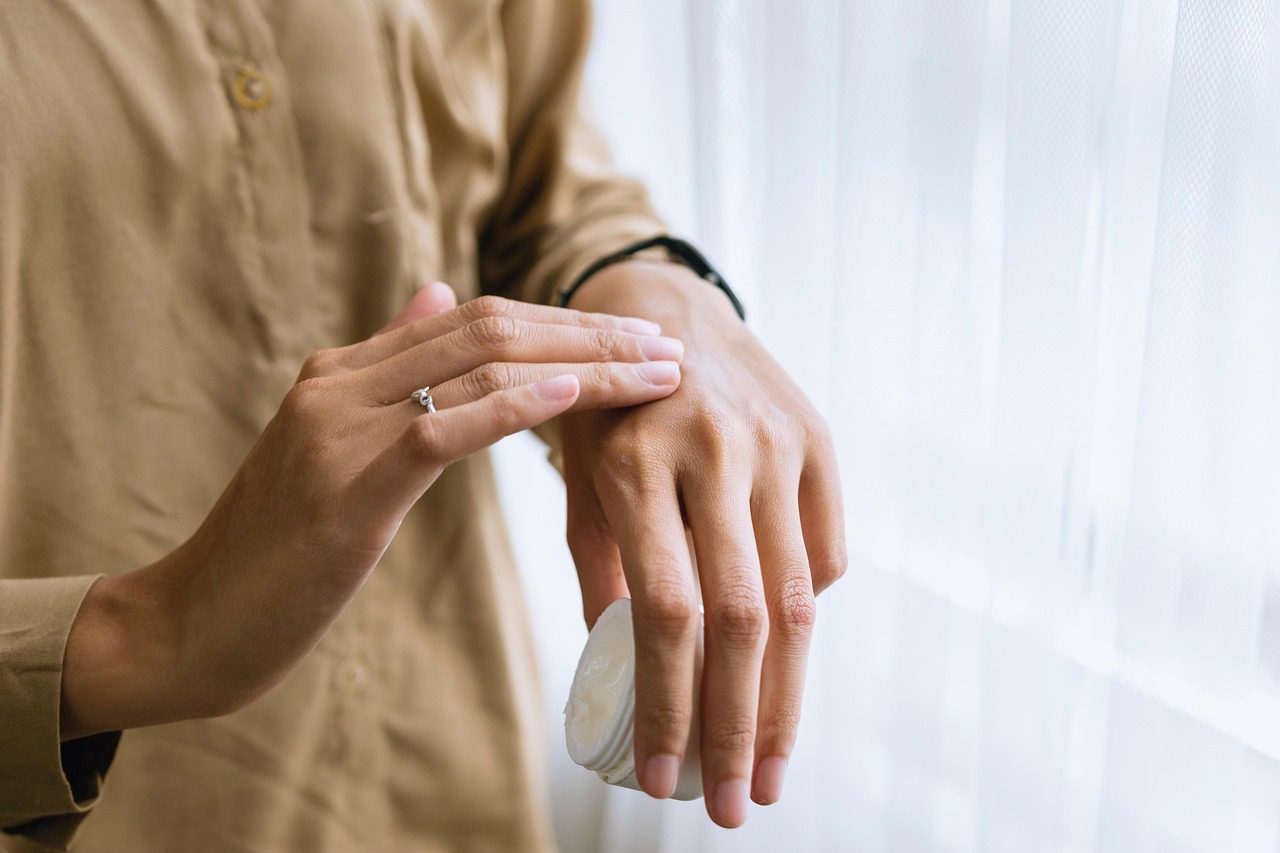
The first commercial cosmetic products gradually started to emerge. London pharmacies, notably Boots, began selling creams, shampoos, and even perfumes that were accessible to the middle class. Women started using moisturisers and hair dyes, even though some were harmful. Natural beauty remained in vogue, but the popularity of cosmetics grew daily. Lipstick and rouge were used sparingly to avoid association with women of “easy virtue.” Simultaneously, women still wore corsets to shape their waists, despite the serious damage they caused to health.
By the middle of the century, many beauty salons had opened in the city, such as Alexander Ross’s salon in the West End. Women visited these places for curling and pin-up hairdos. Hygiene also vastly improved; body, hair, and dental cleanliness became a priority.
Today, cosmetics and skincare have become a massive industry. The best beauty salons, products, makeup artists, and stylists are all available to London women. The city remains one of the global centres of the beauty industry. Prestigious areas like Kensington, Shoreditch, and Westminster are home to cosmetic studios. Salons such as Urban Retreat, Hershesons, or EF MEDISPA are true oases of beauty and relaxation.
In conclusion, self-care constituted a vital part of London women’s lives. Over the centuries, the products used evolved from Mediaeval herbal infusions to modern commercial pharmacy goods. London continued to assert its title as a fashionable capital, setting beauty trends and influencing the fashion and aesthetics of Europe and the world.