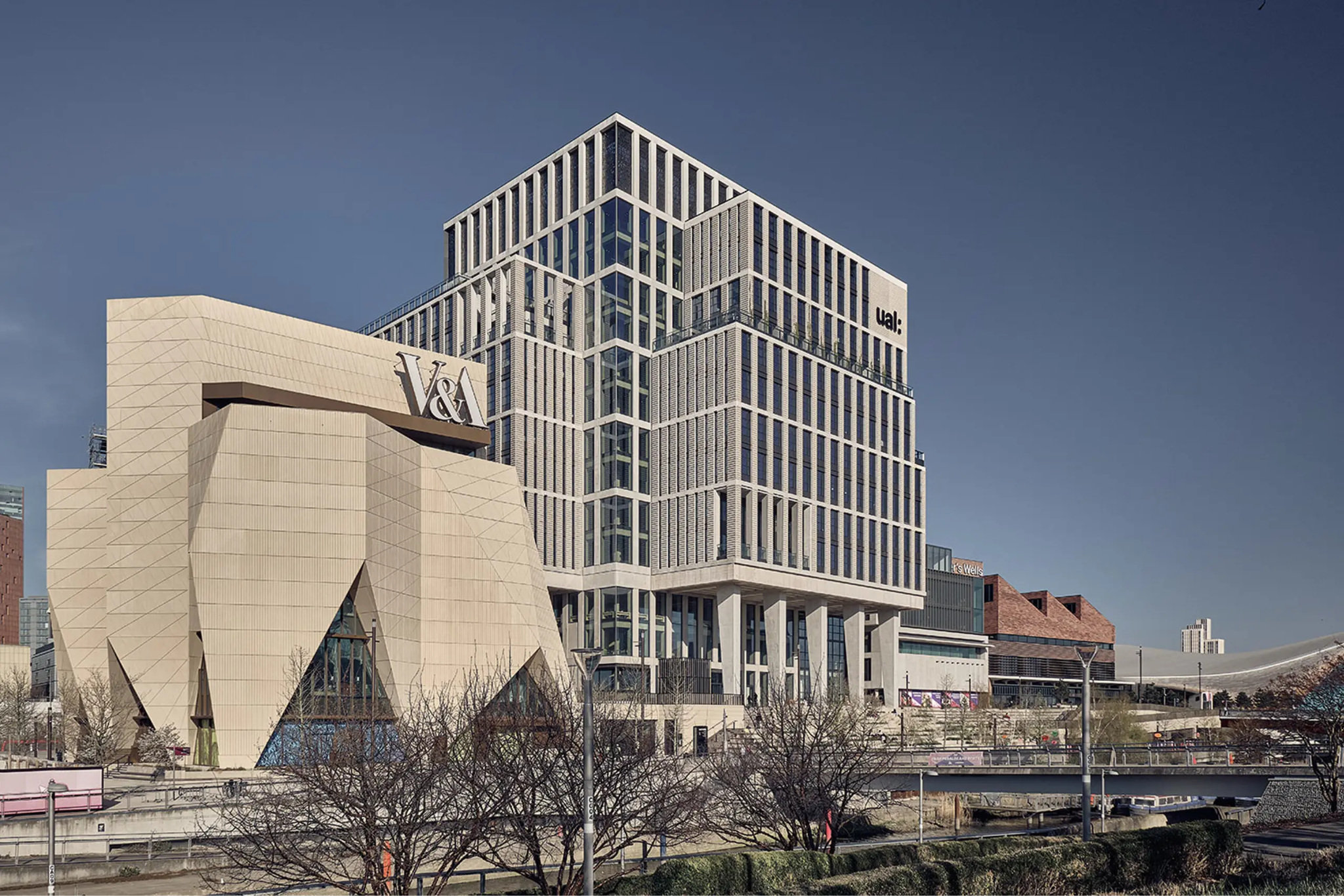

The London College of Fashion (LCF) stands as one of the world’s leading educational hubs for fashion and design. Its history mirrors the evolution of the industry itself—moving from traditional craft skills to cutting-edge, multidisciplinary practices. Today, the institution blends innovation, creativity, and a global outlook to train the next generation of fashion professionals. Read more on londonka.
From Trade Schools to a World-Class Fashion Hub
LCF’s history was built from the ground up, beginning with a handful of early 20th-century trade schools dedicated to women’s vocational training. The first of these were the Shoreditch Technical Institute Girls School (1906), the Barrett Street Trade School (1915), and the Clapham Trade School (1927). All of them aimed to train female specialists in the garment and beauty industries. Core subjects included dressmaking, millinery, embroidery, and hairdressing, with furriery and menswear added further down the line. Graduates typically found work in the bustling manufacturing workshops of the East End or the more prestigious ateliers and boutiques of the West End.
Following the Second World War, the education system underwent a major shake-up. The school-leaving age was raised to 15, and junior college courses were scrapped. During this period, Barrett Street was upgraded to a technical college, while the Shoreditch and Clapham schools merged to form the Shoreditch College for the Garment Trades. Crucially, both institutions also opened their doors to male students. In 1967, they merged entirely to create the London College for the Garment Trades. Seven years later, in 1974, it was rebranded as the London College of Fashion. This fresh identity helped the college attract a wider student base and stay in tune with shifting industry trends.
LCF took its next big step in 1986 by joining the London Institute, an umbrella body bringing together several art and design colleges. This new structure streamlined management, pooled resources, and cemented creative education in the British capital. The very next year, education reforms granted the Institute legal independence, giving it far more say over its administration and finances. By 1993, it had earned the power to award its own degrees.
Stepping onto the Global Stage
The dawn of the 21st century marked a new chapter for LCF. In 2000, it completed a landmark merger with Cordwainers College, an institution renowned for its expertise in footwear and leather goods. Further institutional shifts arrived in 2004 when the London Institute was rebranded as the University of the Arts London (UAL), having officially gained university status a year prior. Under this revamped structure, LCF became a flagship college alongside other specialist institutions. The move unlocked new avenues for academic programmes, research, and international partnerships.
Industry collaboration is a cornerstone of what LCF does today. A prime example is its partnership with the global luxury group Kering, which kicked off in 2014. Over time, this alliance has snowballed into major educational initiatives, most notably the ‘Fashion Values’ programme. This open-source course on sustainable fashion has brought together thousands of participants worldwide, championing fresh approaches to responsible production and consumption.
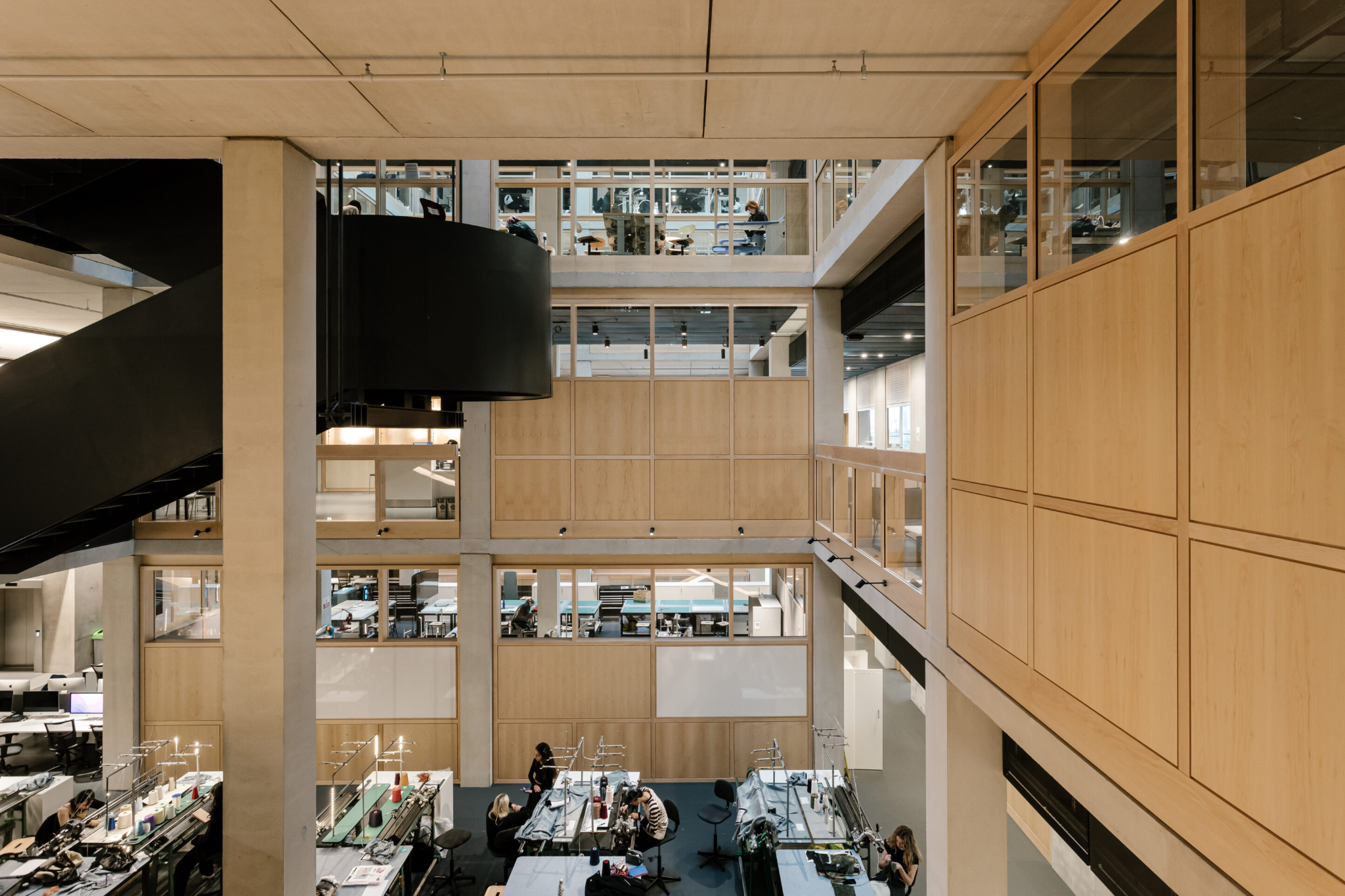
Change hasn’t just been academic; it has been physical, too. Until 2023, LCF’s main buildings were scattered around central London, near Oxford Circus. Recently, however, the college relocated to a state-of-the-art campus in Stratford. The new building was constructed as part of a massive regeneration project tied to the Olympic legacy, designed to foster an innovative educational and cultural quarter. Architecturally, the new campus is tailored to meet both the practical demands of studying and the inherently creative nature of fashion. With its striking, contemporary design, the building is now part of a wider complex of institutions shaping a new cultural hotspot in the city. Above all, it serves as a purpose-built space for creating, researching, and showcasing fashion.

Recognition and Global Impact
The London College of Fashion has firmly established itself as a global heavyweight in fashion education, effortlessly blending deep historical roots with forward-thinking teaching and research. It is a dynamic institution with serious international reach. Today, over 5,500 students from more than 100 countries make up a diverse, multicultural community that champions equality, creativity, and social responsibility. LCF’s educational offering is both broad and flexible. With over 70 undergraduate and postgraduate programmes, plus a wealth of short courses, it covers everything from design and technology to business, media, and communications. A major part of the college’s prestige comes from its alumni, who have left a lasting mark on the global fashion scene. Chief among them is Jimmy Choo, the founder of the world-famous luxury shoe brand, whose stellar career remains a benchmark for success and true craftsmanship.