

The 19th-century European fashion was significantly different from modern one. Today, you can find those clothes only in museums or collectors’ homes. The style of that time was distinguished by sophistication and elegance, unlike the modern style, which aims at convenience and ease of use. It was a century of magnificent dresses, petticoats, corsets, top hats and bonnets. It is interesting to learn whether such an outfit was comfortable and what were the main fashion trends of that time. Was that style harmful to health? What secrets did Londoners’ lush dresses and elegant suits hide? Learn more at londonka.
The history of women’s main garment in the 19th century
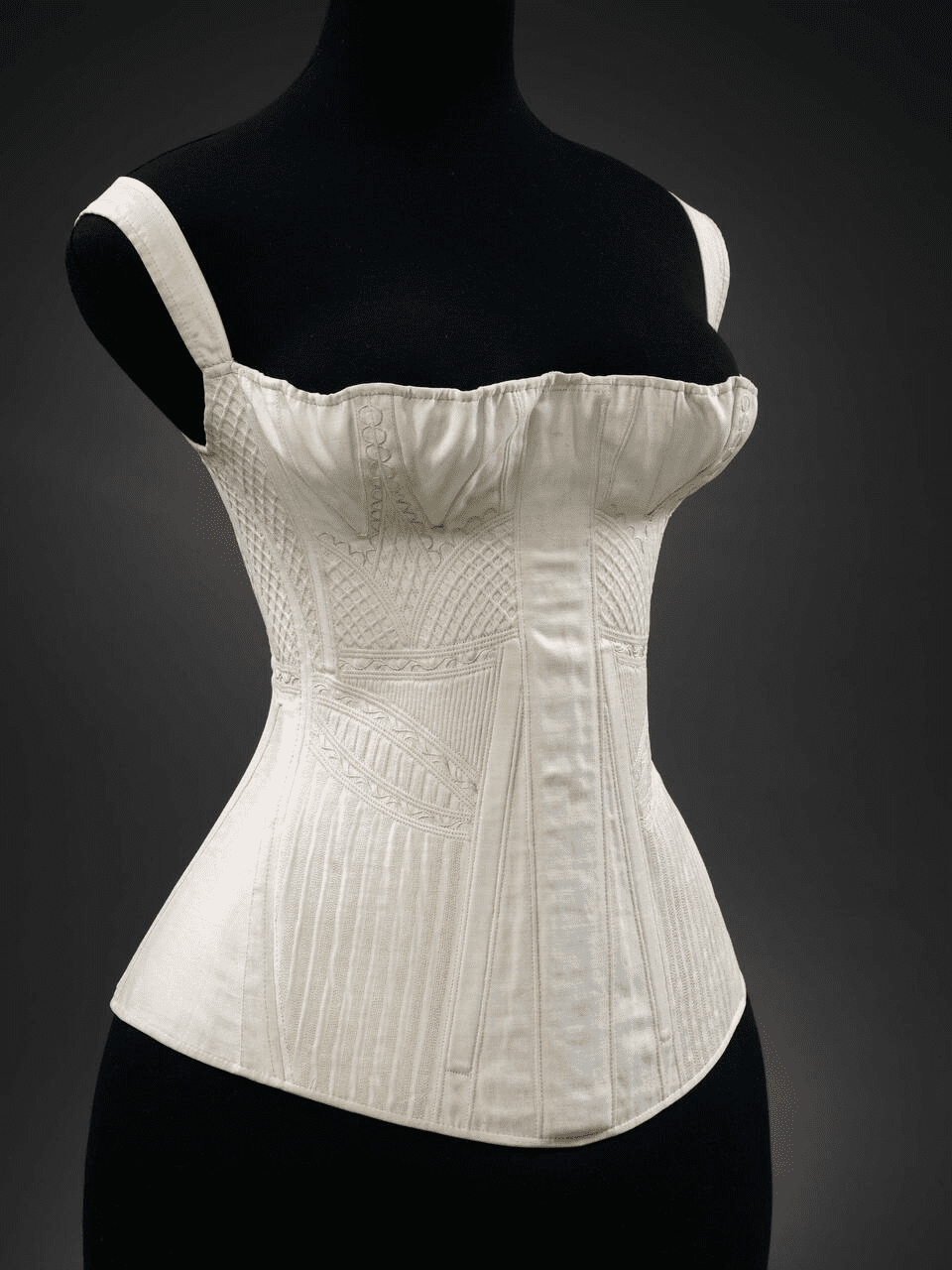
It was typical for the 19th-century women to wear corsets, which emphasised female forms. This garment clutched the stomach, rounded the bust, shaped the hips and concealed the underwear made of a thin fabric. It was a mandatory attribute of every woman because dresses were designed precisely for the narrowed waist. Corsets were usually made of dense fabric, in most cases cotton. In addition, they were handmade. The front part of the corset was made of a metal or wooden busk (a thin planchette, similar to a ruler), which created a smooth outline. Sometimes, corsets were installed with several such elements. In the 1820s, tailors started to design corsets with metal eyelets at the back to get a tighter lacing. Some models featured close-to-shoulder straps that supported the corset and were invisible if a woman wore a dress with a wide neckline.
Fashion developed quite quickly in the 19th century. Dress designs were constantly changing and connoisseurs of new trends discussed the popularity of puffy sleeves or narrow silhouettes. That also affected the evolution of corsets. In the 1860s, specialists invented a new method of their creation using steam. Thus, starched corsets were left on steam-heated copper frames imitating the shape of a woman’s body. Such products have gone down in history as the toughest clothing. After wearing such a corset, women faced various health problems, as it squeezed internal organs. However, fashion set its own rules and corsets remained relevant for many more years.
How did clothes depend on social status?
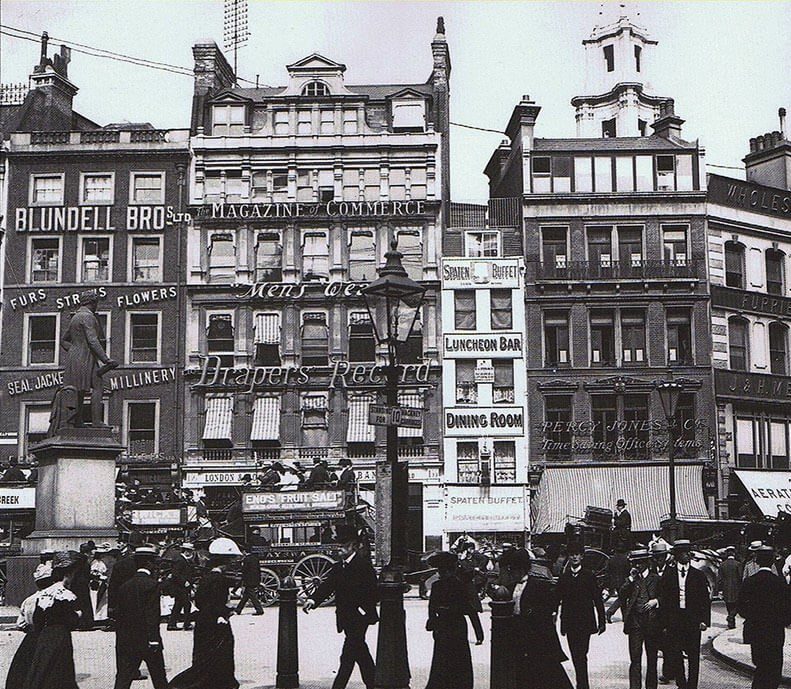
The clothes of the lower and higher classes differed significantly. For example, women, who didn’t come from aristocratic families, wore dresses made of cheap fabrics. However, they had to be thick enough to endure household work. It could withstand long-time usage and repeated washing. Such a woman usually had three dresses in her wardrobe. The first was intended for daily routine, the second for secular events and the third for Sunday church servings. It is also worth noting that the representatives of the lower class didn’t follow fashion trends. Cotton shirts were popular among men. This fabric was distinguished by its comfort, so it was used for everyday and sleeping clothes. Neckerchiefs were made from cotton too. Narrow trousers were also quite popular in the 19th century.
The clothes of the upper-class representatives were more interesting and diverse. A typical feature of men’s clothing was a coat and only wealthy people could afford it. It featured a high, elegant collar and rectangular slit pockets. Coats were made of cotton, silk and wool and were decorated with elegant patterns or stripes. At the beginning of the 19th century, men wore breeches, but later, they gave way to longer trousers. Linen and cotton fabrics with satin inserts were used for summer clothes, while wool in darker shades was suitable for winter clothes. Women were simply obliged to follow fashion trends and their outfits consisted of several layers. That’s why they needed maids who helped them to dress. It is difficult to imagine how much time an upper-class woman spent preparing for an ordinary walk. At least, her skirt had about six layers of underskirts, her corset had to be laced and her hair done. Such garments were usually made of light and airy fabrics.
A hairstyle matching the outfit
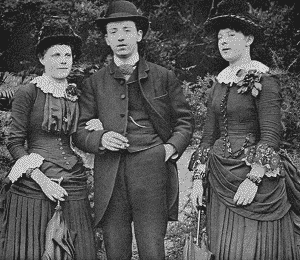
A hairstyle was an important element of the look. Short hair with cropped curls and long sideburns was popular among men. They used nightcaps or nets because they rarely washed their hair. Women wore a bun or a ponytail. Sometimes, they curled their hair and threw it over their shoulders. Also, it was popular to have bangs and small curls around the face. They decorated their hair with flowers and ribbons. The representatives of the upper class wore exquisite jewellery, which often was family heirlooms. Hats and bonnets were often worn for social events or walks.
Victorian style or the Queen’s influence on society
Fashion has always been affected by certain historical and social changes. That happened in the 19th century too. A significant event for the entire country was the coronation of Princess Victoria, who later became a style icon for most people. History refers to the Queen’s 64-year reign as the Victorian era. Residents of many British cities, and especially London, followed the queen in almost everything. It was the era of colonial expansion and the industrial revolution, which improved the Londoners’ living standards. Society became richer, and therefore, the style became more luxurious. New fashion featured high-quality materials, precious stones and exquisite jewellery. There was nothing about minimalism because attention was focused on a large number of expressive pieces of clothes. Back then, specialists created luxurious designs and incredible decor.
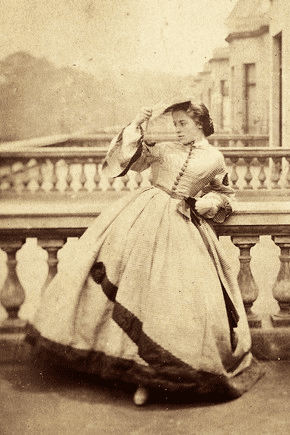
Especially interesting were the dresses made during 1837-1901. The size of the skirts was gradually increasing. Almost every decade, a new skirt layer was added to create even lusher forms. In addition to numerous elements and lush sleeves, shawls and capes were used too. They were worn in the cool seasons of the year. However, in the 1860s, only the back part remained voluminous in clothing. That was the time when a crinoline, which was a frame raising the top part of the skirt back, while the front remained straight, came into fashion. In addition, women wore corsets under dresses to make their waists thinner. It looked gorgeous and sophisticated. However, there was a big drawback too because all Victorian-era dresses were too long and collected trash from the streets. Especially such clothing was inconvenient to lower-class women because their lush skirts were always dirty.