
Beginning in the 1920s, a vibrant queer community that was eager to connect began to flourish in Great Britain. At a time when widespread condemnation of homosexuality created constant risk, a hidden network of establishments provided a series of safe spaces. One of these was the Caravan Club—a venue described as “London’s most bohemian rendezvous.” Read more at londonka.
The Founding and History of the Caravan Club
According to the most common records, the Caravan Club opened its doors on July 14, 1934, in the basement of 81 Endell Street in Soho. It was owned by Jack Neave, known as “Iron Foot Jack,” and his partner, William Reynolds, known as “Billy.” The club’s name was a nod to the “caravanserai”—an old term for nomadic communities that traveled together, setting up tents and forming settlements. It aptly captured the atmosphere of a temporary refuge for members of the LGBT community.
To lease the premises for the Caravan Club, Jack Neave paid a substantial sum of £300, a major investment for the time. However, it quickly paid off: in the first six weeks of operation alone, 445 regular members were registered, and the total number of visitors reached 2,004. Entry to the club cost 1 shilling for members or 1 shilling and 6 pence for non-registered guests. Its dance floor was always packed—men danced with men, and women danced with women.
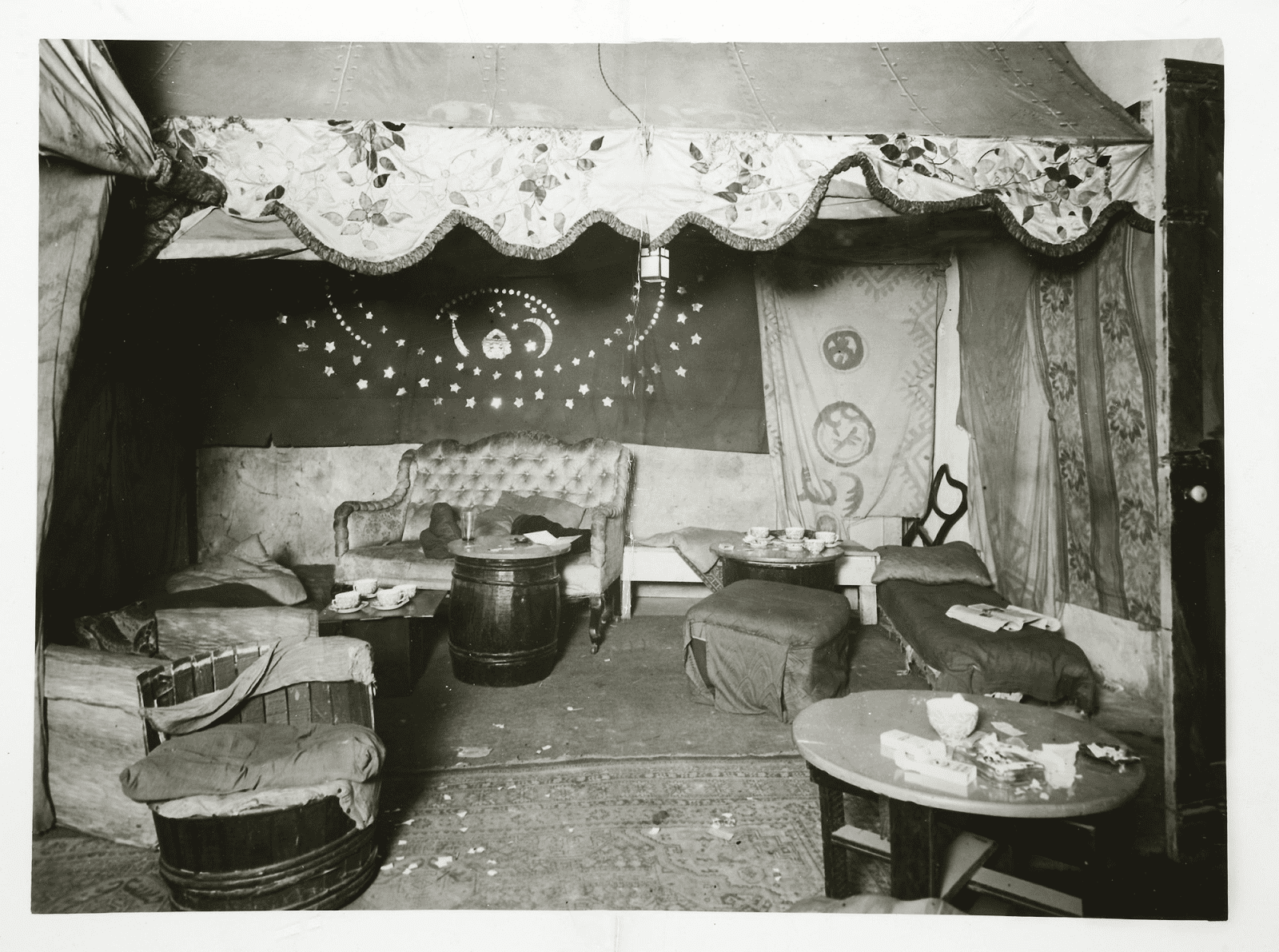
The interior of the Caravan Club was as eclectic and chaotic as its clientele. According to police officers, the walls and ceilings were draped with fabrics featuring vibrant images of stars and dragons. The decor was a collection of random finds and patches of colorful materials, and unexpected encounters or conversations could always be found in its dark and cozy corners.
However, the freedom enjoyed at the Caravan Club could not escape the notice of law enforcement. Shortly after its opening, it attracted police interest, as many of its patrons were considered marginalized or dangerous. Some local residents called the club “a hotbed of immorality” and “a haven for criminals.” Among the guests were many women whom the police classified as being of “the prostitute class,” while the men were often suspected of being “pimps.”
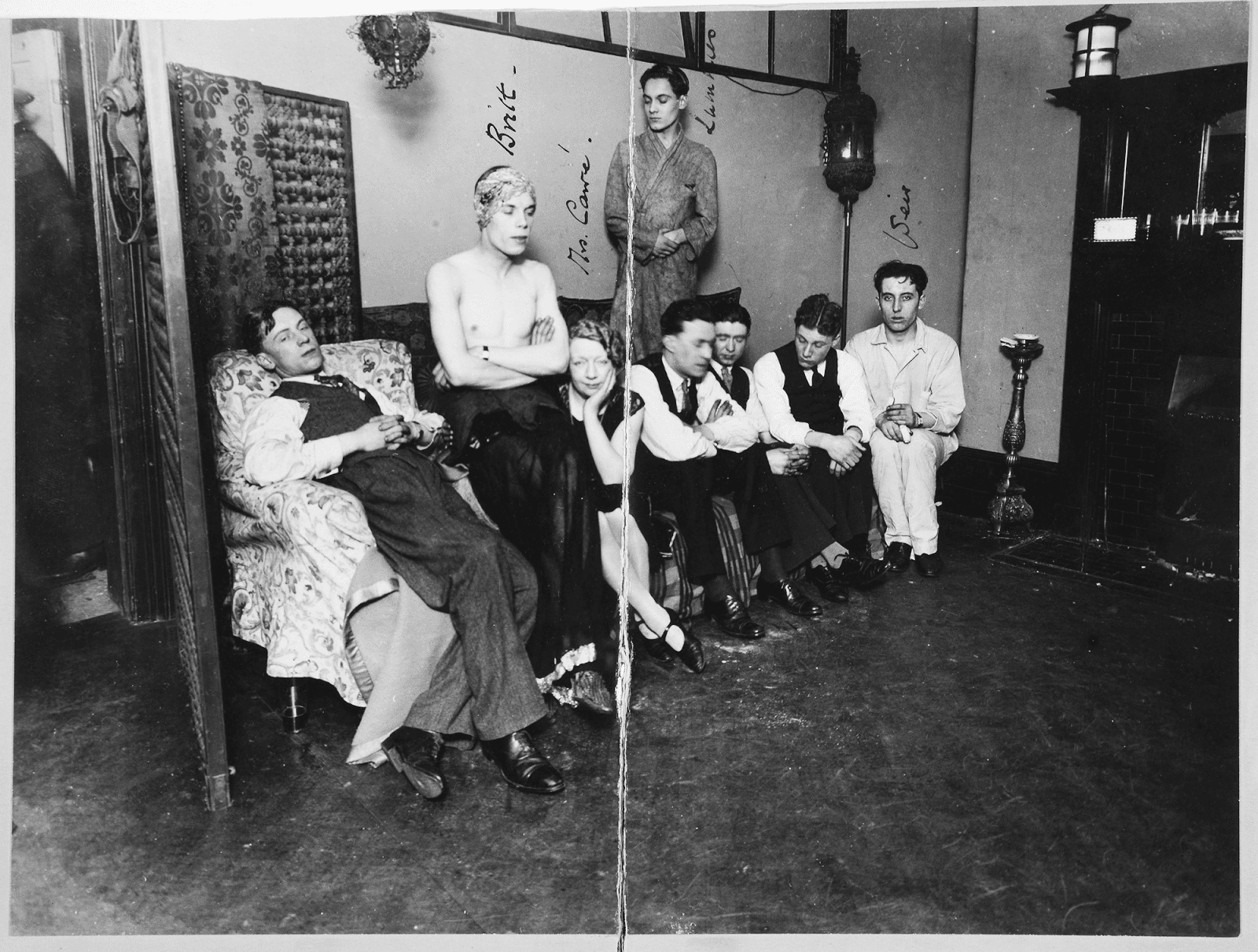
In the early morning of August 25, 1934, several plainclothes police officers entered the Caravan Club posing as patrons. Detective Inspector Clarence Campion later recalled that what he saw stunned him: the dance floor was so crowded it was nearly impossible to move, and the behavior of the patrons was strikingly uninhibited. During the surprise raid, 103 patrons were arrested, including both men and women, who were later taken to the Bow Street police station.
The trial for those arrested took place on October 26, 1934. Although most of the guests were released on the condition that they never visit such clubs again, the owners received a much harsher punishment. Jack Neave was sentenced to twenty months of hard labor, and his partner, William Reynolds, to twelve months. In his summary of the case, the judge called the club “a vile den of iniquity that is poisoning the youth of London.”
The Legacy and Significance of the Caravan Club
Although the Caravan Club existed for only a short time, its impact on the culture of the LGBT community in Great Britain was palpable and significant. It not only created a space for communication and self-expression but also helped form the first networks of solidarity among homosexual people. Ultimately, similar places continued to emerge, though they often changed their addresses and names. In 2017, the Caravan Club was briefly revived near its historic location for those wishing to attend a program of lectures and performances about its legacy.