

Among the leading figures of the British suffragette movement, Barbara Ayrton-Gould holds a special place as a dedicated activist and politician. Devoting her life to fighting for social change, she championed the rights of women and children. Read more on londonka.
Early Life and Activist Journey
Barbara Ayrton-Gould was born on 3 April 1886 in Kensington, London. Growing up in a family of prominent engineers and inventors, Hertha Ayrton and William Edward Ayrton, she attended Notting Hill High School. She later went on to study chemistry and physics at University College London. While initially focused on her education, she soon began dedicating more of her time to the women’s suffrage movement.
Along with her mother, Barbara joined the Women’s Social and Political Union (WSPU) in 1906. Following her father’s death in 1908, she left her postgraduate studies to immerse herself fully in activism. By this time, fellow members Christabel Pankhurst and Annie Kenney had gained notoriety for interrupting a speech by a young Winston Churchill. When they demanded to know his position on giving women the right to vote, they were forcibly removed and arrested after a protest.
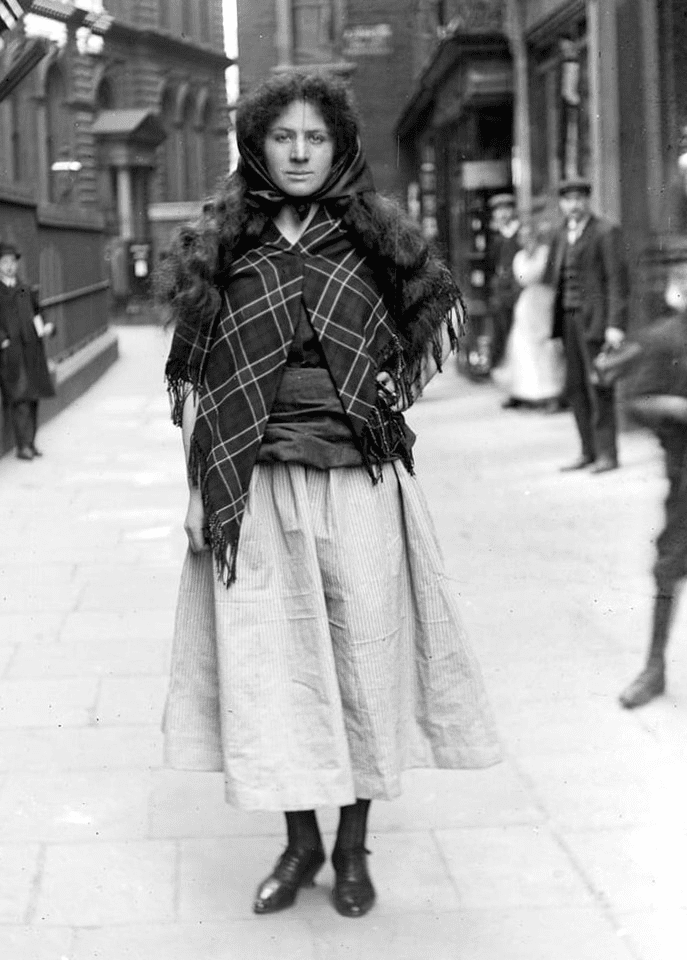
In 1909, Barbara became a full-time organiser for the WSPU. It was then that the journalist and writer Gerald Gould began to share her commitment to the suffrage campaign. In 1910, he became not only her husband but also a steadfast ally in the ongoing fight for women’s rights. During a protest in 1912, Barbara was arrested along with 200 other activists. To avoid a lengthy prison sentence, she escaped to France disguised as a schoolgirl. She was only able to return to London after an amnesty was declared for suffrage campaigners at the start of the First World War.
Disillusioned with the militant tactics of the WSPU, Barbara left the organisation in 1914. Together with her husband and fellow activist Evelyn Sharp, she co-founded the United Suffragists. The group concluded its campaign after the passage of the Representation of the People Act 1918, which granted limited voting rights to women in Great Britain.
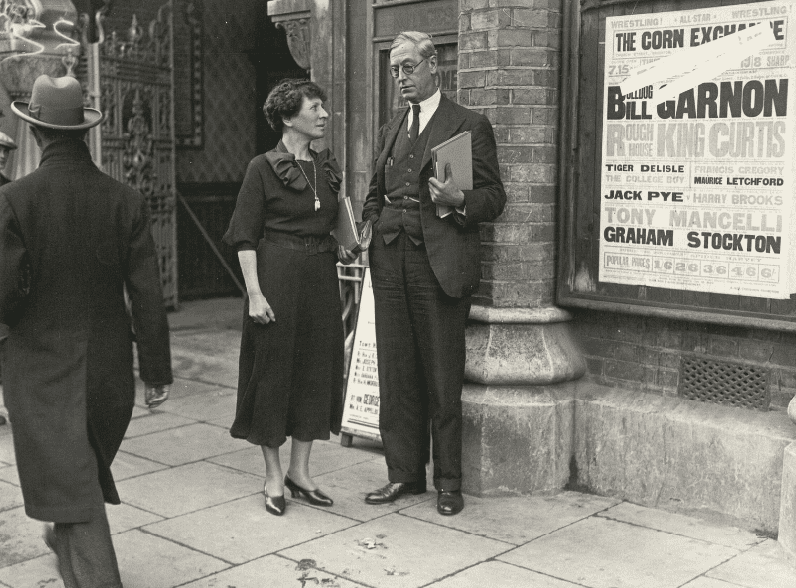
Towards the end of the First World War, Barbara worked with peace organisations that promoted international solidarity. Her political career progressed, and she became a member of the Labour Party’s National Executive Committee in 1929. However, her attempts to enter Parliament had previously been met with repeated failure. It seemed that even persistence, skill, and a bit of luck were not always enough for women battling for a place in government. After a long time without a formal position, she was finally elected as the Member of Parliament for the Hendon North constituency in the 1945 general election.
From that point on, Barbara Ayrton-Gould dedicated herself to issues of food supply and the fight against child poverty. However, her declining health, coupled with a defeat in the following election, led her to decide against running for office again. Leaving Parliament with a heavy heart, the former suffragette passed away on 14 October 1950 at her home in Kensington.
Wikipedia
The Legacy and Impact of Barbara Ayrton-Gould
Barbara Ayrton-Gould remains one of the pioneers of female representation in the British Parliament. Throughout her life, she faced challenges, obstacles, and disappointments as she worked to overcome a severely restrictive system. By the end of her journey, she had firmly laid the groundwork for achieving greater equality in public and political life. Through her example, she inspired countless women to pursue their own political ambitions freely.
National Portrait Gallery