

William Sargant was a British psychiatrist known for his charismatic demeanour and impeccable suits. He is also one of the most controversial figures in the history of British psychiatry, largely due to his fascination with electroshock therapy and insulin-coma treatment. Today, most psychiatrists consider these methods dangerous and even harmful.
In London, Sargant worked at the Royal Waterloo Hospital, where he ‘reprogrammed’ patients, often without their consent. His book, “Battle for the Mind,” brought him fame, but many of his patients remember him as a “monster”. Next on londonka.
Early Life and Career Path
William Sargant was born on 24 April 1907 into a large, affluent family in Highgate, London. His father was a stockbroker in the City, while his mother was the daughter of a vicar from a wealthy family of Welsh brewers. At the age of seven, William was sent to boarding school, first at St Wilfrid’s School, where he was punished for being rebellious until he reformed and became captain of the football team. He then continued his education at The Leys School before studying medicine at St John’s College, Cambridge.
He developed an interest in psychiatry early on, and in the 1930s, he worked at the Maudsley Hospital. Here, he saw lobotomies and overcrowded wards firsthand. Shortly after arriving at the hospital, he participated in testing amphetamines as a new treatment for depression, and even took the drug himself while preparing for his Diploma in Psychological Medicine. During his time at the hospital, he was also introduced to insulin therapy.
In 1938, Sargant was awarded a Rockefeller scholarship and spent a year at Harvard Medical School in Boston. When the Second World War broke out, he returned to London to work as a military psychiatrist. At the Sutton Emergency Hospital (later known as Belmont), Sargant worked with veterans and patients suffering from acute psychotic and neurotic conditions. He used insulin, sedatives, and experimental methods in his work. In 1948, the NHS integrated the Royal Waterloo into St Thomas’s Hospital, and at the age of 41, William Sargant became the head psychiatrist there.
A Career in London
Sargant transformed St Thomas’s into a pioneering treatment and research centre. The basement was renovated and used as an outpatient department. His work was funded by the National Health Service and supported by charitable foundations and private individuals. It was here that he created Ward Five – the “Sleep Room,” a special darkened ward for patients to sleep in. The clientele was often wealthy: actors, spies, Arab princes, and politicians.
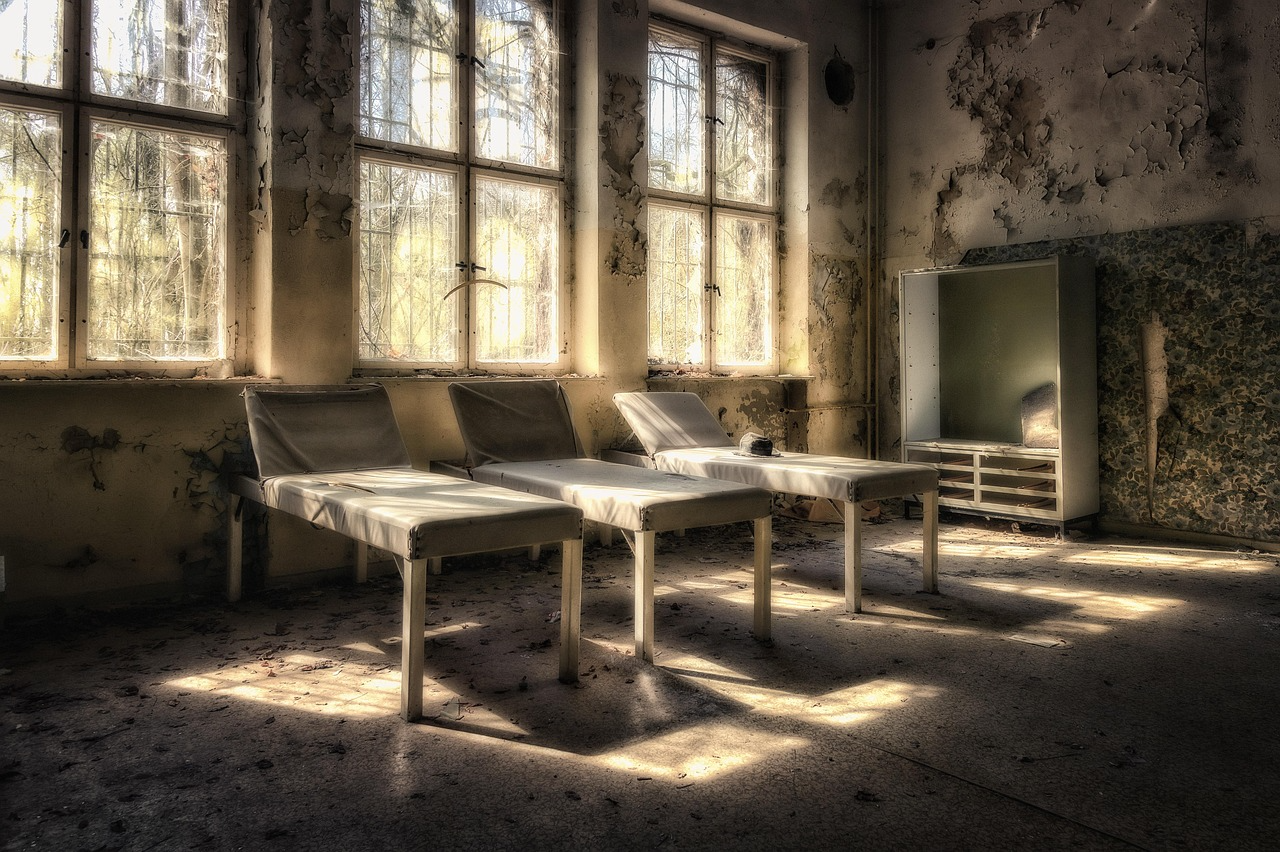
Nurses from the “Sleep Room” recalled that the patients always had a vacant stare and looked very unwell. This was where Sargant was free to employ his own psychiatric approach. His deep sleep therapy, which involved continuous anaesthesia, became a notorious procedure. At the time, the risks of such a treatment were rarely discussed. Sargant believed that anaesthesia and ECT (electroconvulsive therapy) destroyed behavioural patterns and ‘reprogrammed’ the mind towards positive thoughts. Patients were often unaware of how long they had been asleep or what they were being treated with. It later became clear that for many patients, it was a harrowing ordeal that destroyed their memories and left them grappling with an existential identity crisis.
Few had the courage to oppose Sargant, as he was a medical authority treated like a “god” by his colleagues and patients. Lobotomies were only carried out if the “sleep room” proved ineffective. In the 1960s, middle-class parents even sent their rebellious daughters to him for ‘moral correction.’ The psychiatrist also believed that shock therapy could cure depression and schizophrenia.
In the special room, women were kept in a state of deep sleep using medication and ECT. The 110-volt charges triggered epileptic seizures twice a week. Often, the women were not even aware this treatment was happening.
Contributions and Positive Aspects
Despite the criticism, there were also useful aspects to his work. Sargant was an outstanding clinician and a teacher to his generation. In an era dominated by psychoanalysis, he emphasised the need for swift action in crisis situations, advocating for a broader range of treatment options. His book, “An Introduction to Physical Methods of Treatment in Psychiatry,” was a significant work, translated and reprinted multiple times and used by psychiatric students for their studies.
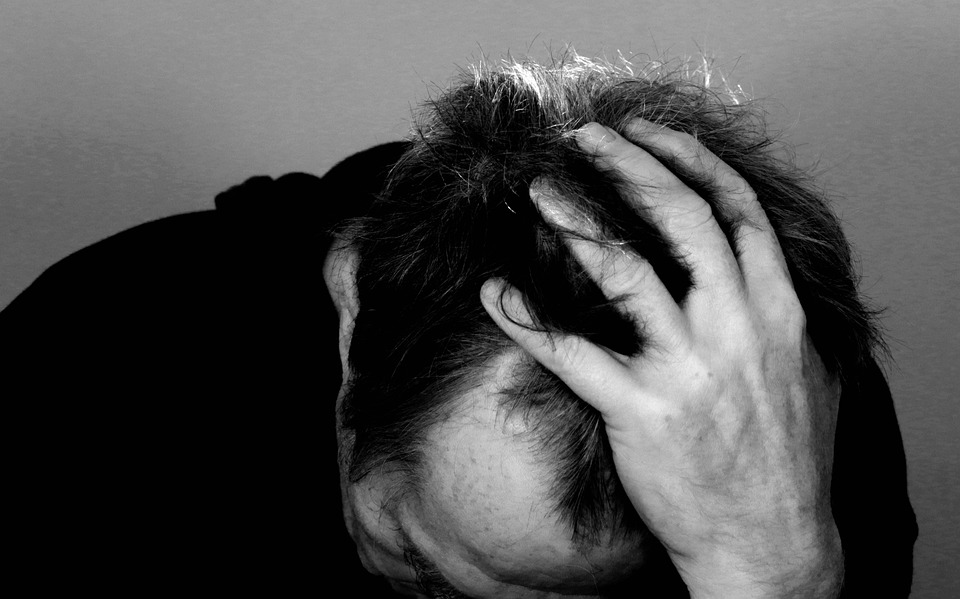
His work also played a role in bringing mental health issues into the public discourse. It raised important questions about medical ethics and patient rights. On 1 April 2009, BBC Radio 4 aired a programme by James Maw titled “Revealing the Mind Bender General.” It focused on Sargant’s work, particularly his sleep treatment. Patients testified that the treatment had ruined their lives. The programme also raised questions about patients’ rights to consent and even highlighted deaths, as prolonged artificial sleep carried risks of thrombosis, pressure sores, infections, and even paralysis. A full-blown scandal erupted in 2025 with the release of John Stork’s book, “The Sleep Room,” where patients shared their terrifying stories of having their health destroyed by the treatment.
William Sargant remains a complex and controversial figure. His work serves as a reflection of 20th-century psychiatry, pushing the boundaries of mental health treatment and raising moral questions that resonate to this day.
Source:
- https://history.rcp.ac.uk/inspiring-physicians/william-walters-sargant?utm_source
- https://www.theguardian.com/society/2025/mar/29/he-still-features-in-my-nightmares-how-a-sinister-psychiatrist-put-hundreds-of-women-in-deep-drug-induced-comas
- https://hekint.org/2023/04/05/william-sargant/
- https://forums.forteana.org/index.php?threads/the-sleep-room-william-sargants-malpractice.71892/