

London, one of Europe’s most influential cities, has played a pivotal role in garment production for centuries. From medieval artisans and industrial factories to modern design studios, the city has long been a hub for creating diverse apparel. Its textile industry has constantly transformed, reflecting profound economic, social, and technological shifts.
Century after century, what Londoners wore set styles and designs that influenced, and continue to influence, global trends. Today, London remains one of the world’s creative capitals. Its streets are lined with boutiques, thriving markets, and high-end stores offering exclusive garments from renowned designers. Read more at londonka.
Historical Beginnings
London’s textile trade history dates back to the Middle Ages. As early as the 14th century,* formally organised markets emerged at Blackwell Hall, near the Guildhall. Wool and cloth were traded there for centuries. Weavers and tailors brought their materials to be displayed and sold. In 1735, the City of London Corporation acquired Blackwell Hall, solidifying its status as the official cloth market. It remained the primary centre of this trade until 1820, when the market fell into decline.
Craft guilds controlled the city’s trades and commerce. They monitored the quality of fabrics and tailoring standards to ensure the reputation of London’s artisans remained high. Small workshops across the city produced garments. During this period, clothing was a stark indicator of wealth. The wealthy could afford luxurious outfits, while the poor typically wore coarse woollen tunics. Fabrics were often imported from Italy and France, influencing London’s fashion. However, the city’s artisans were highly valued for their own quality English style, particularly in leather and textile goods. London’s weavers were also famed for their high-quality wool, which was exported across Europe.
The Flourishing of Tailoring
In the 16th century, London’s status as a fashion production hub grew, boosted by a significant influx of immigrants. Many settled in the Spitalfields area, where they established a thriving silk industry. This district became synonymous with the luxurious fabrics used for royal gowns and aristocratic suits. The artisans’ houses in Spitalfields, many of which still stand today, are a testament to the area’s rich textile heritage.
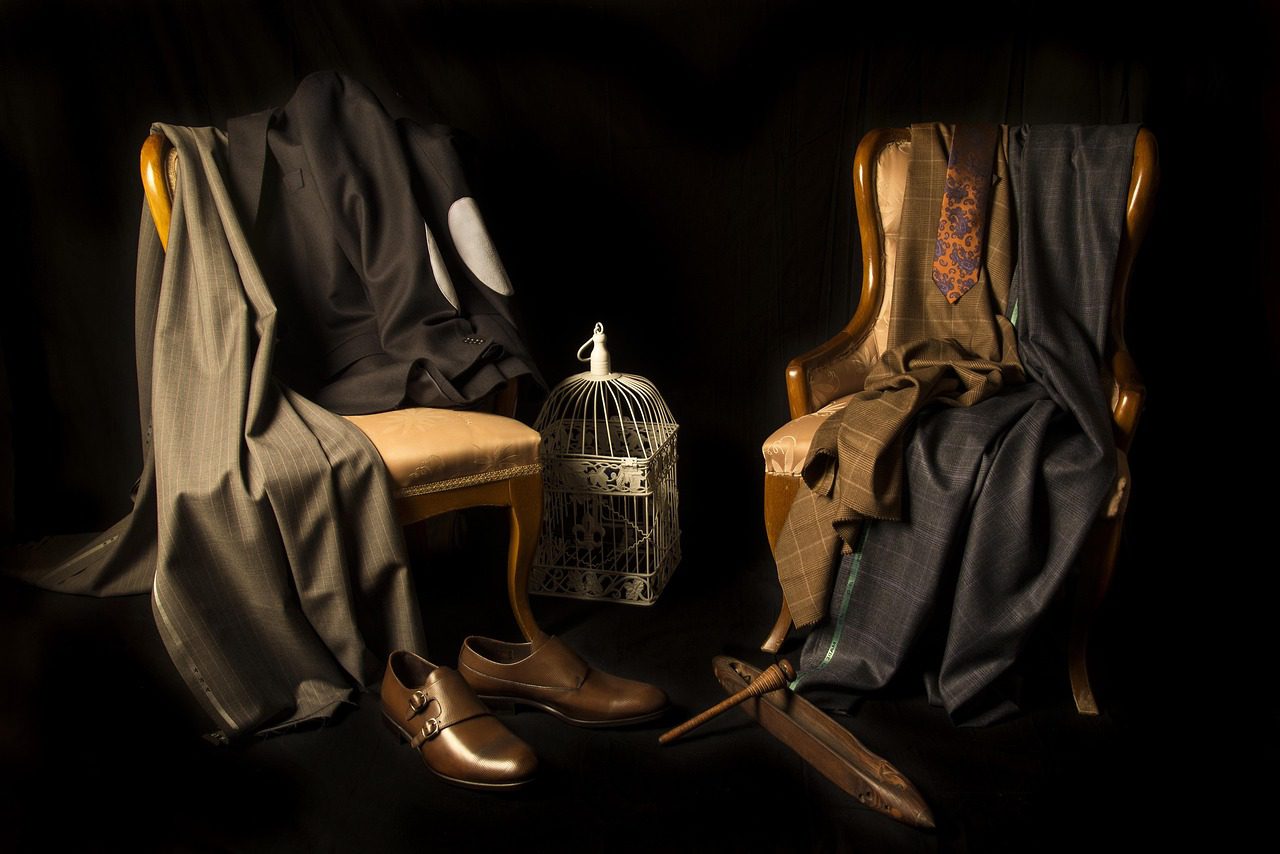
The art of tailoring became more sophisticated. Craftsmen produced complex dresses with crinolines, elaborate ruffs, and men’s breeches. The wealthy commissioned bespoke garments from workshops on the Strand and Charing Cross, where tailors began using patterns for more precise cutting. Poorer Londoners generally made their own clothes, often repurposing old fabrics.
By the 18th century, fashion magazines like “The Lady’s Magazine” had emerged, showcasing the latest styles. Shops began to sell accessories such as gloves and hats, making fashion more accessible to a wider audience. Tailors perfected their craft, producing elegant men’s suits and exquisite gowns that required the work of many seamstresses.
Mass Production of Clothing
In the 19th century, Jewish-owned firms became highly active in London’s garment trade. They pioneered the sale of “ready-made” clothing in standard sizes, offering an alternative to bespoke tailoring. In 1829, Elias Moses and his son founded “E. Moses & Sons” in East London, selling ready-made and bespoke men’s clothing. Other firms, notably “Hyam & Co”, soon joined this emerging market.
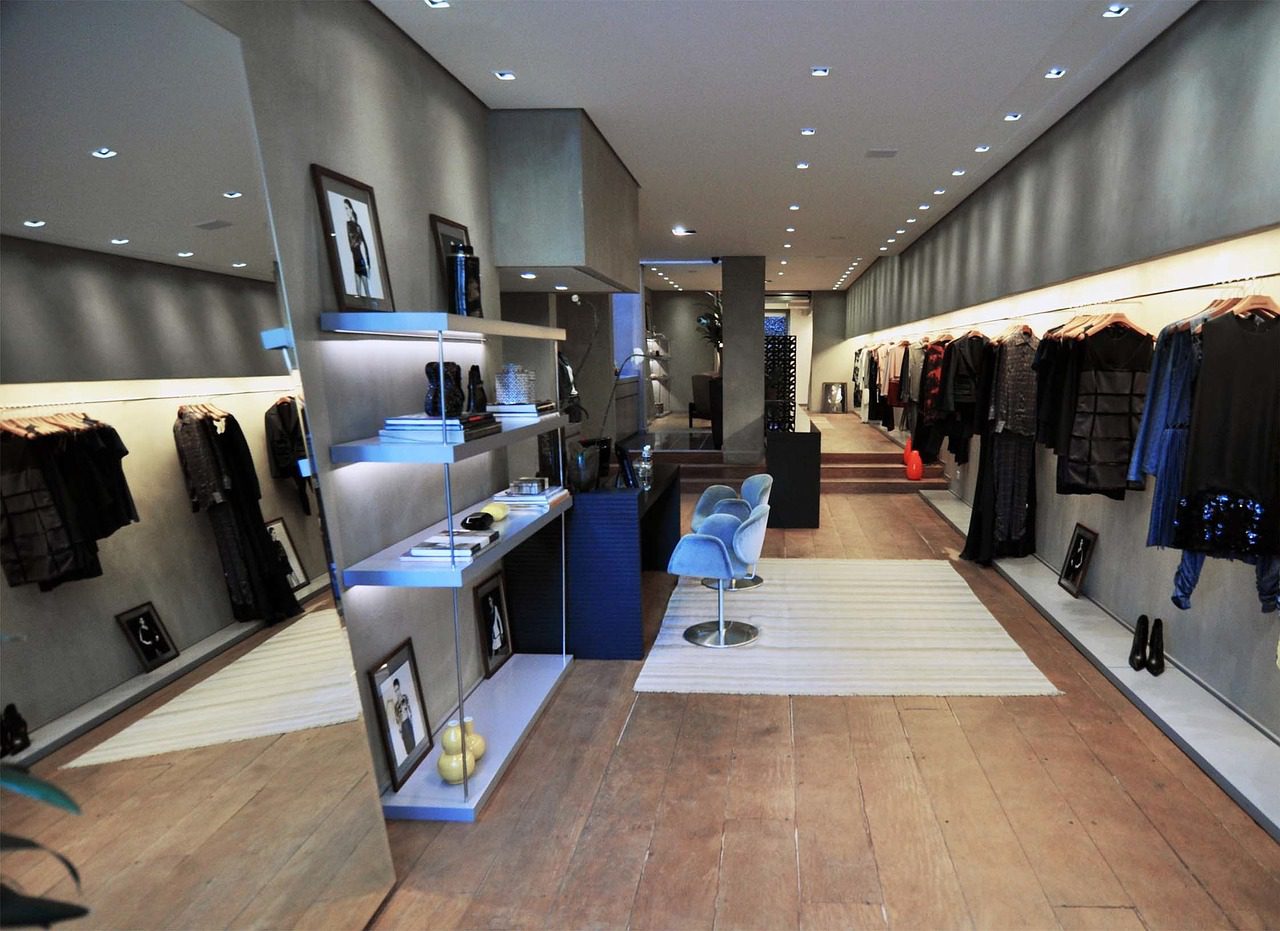
The Industrial Revolution brought profound changes to garment production in London. Mechanised looms appeared, and in the 1840s, the patenting of sewing machines dramatically sped up production and lowered prices. By the 1890s, East London had become the centre for ready-made womenswear. This was cemented when Jewish immigrant Morris Cohen established Britain’s first ready-made womenswear factory in Spital Square. His business became a launchpad for other womenswear producers in the East End, who either supplied Cohen or rented workshop space from him. Among them were future giants of 20th-century British manufacturing, such as “Steinberg & Sons” and “Ellis & Goldstein”.
Different types of clothing were produced in distinct areas of the city. London’s West End remained associated with high-end bespoke tailoring and couture. Peggy Lewis, a bespoke dressmaker, created beautifully embellished outfits for special occasions. Garment manufacturers required skilled workers, which in turn spurred the growth of other fashion-related trades.
The Soho district also became an important centre for high-quality garments, particularly for what was known as “wholesale couture”—a blend of beautiful ready-made clothing with hand-finished details. The scale of the fashion industry and its economic importance was captured in the 1935 government Census of Production. It recorded nearly 90,000 people employed in clothing manufacturing in London. Today, the city remains a powerhouse of fashion and design. Brands like “Levi’s” have opened ateliers where customers can order custom-fit jeans. This dynamic evolution of artisans, firms, and factories fosters healthy competition and continues to attract fashion lovers from all over the world.
In summary, garment production in the city has travelled a long road, from small artisan workshops to large-scale industrial factories. London has not only manufactured clothing; it has shaped trends and influenced global fashion.
*Editor’s note: The original text stated the 18th century. This has been corrected to the 14th century for historical and logical accuracy, as Blackwell Hall was established in 1395 and the text mentions it trading for centuries until 1820.