

Throughout history, people have loved to dress well, accessorise, and select fabrics for their outfits. London was a natural centre for style; it was home to a wealthy bourgeoisie and aristocracy, which fuelled a demand for unique and fashionable attire. From grand gowns to practical suits, London’s fashion constantly evolved, blending traditional designs with new trends.
What Londoners wore reflected the social changes sweeping the city, signalling their class, religion, or even political allegiance. The styles of the time also mirrored political transformations and technological progress. Read more at londonka.
Opulent Attire
In the 17th century, London was a magnet for the wealthy royal court, and fashion was a clear display of status. Queen Elizabeth I remained a style icon, as did her signature voluminous skirts and embroidered jackets. These patterns often depicted flowers, birds, and other motifs drawn from nature. Even after her death, her legacy lingered for two decades in the form of rounded, wheel-like farthingales and stiff ruffs, which servants had to meticulously starch and iron.
By the mid-17th century, Londoners’ clothing began to simplify. Embroidered jackets fell out of fashion, and upper-class women favoured satin and softer fabrics. Sleeves became looser, often featuring decorative slits. Collars softened and were frequently made of lace. The most fashionable women dispensed with collars altogether, revealing a lower neckline, or décolletage. Exposed shoulders also came into vogue, drawing both admiration and criticism.
The fabric trade flourished, and Spitalfields became a centre for silk weaving. Cotton was imported from India, but the lower classes could not afford such fine fabrics. Instead, they typically wore coarse woollen clothing and relied on mending or altering second-hand garments.
The 18th Century Shift
Eighteenth-century fashion was defined by elegance and refinement. In London, lighter fabrics and pastel tones became the vogue. Men wore immaculate white shirts with high collars, layered under a waistcoat and coat. They wore tight, knee-length trousers known as breeches, fastened over stockings. This was paired with leather shoes, secured with laces or buckles. The look was finished with accessories like cravats, wigs, gloves, and often a cane.
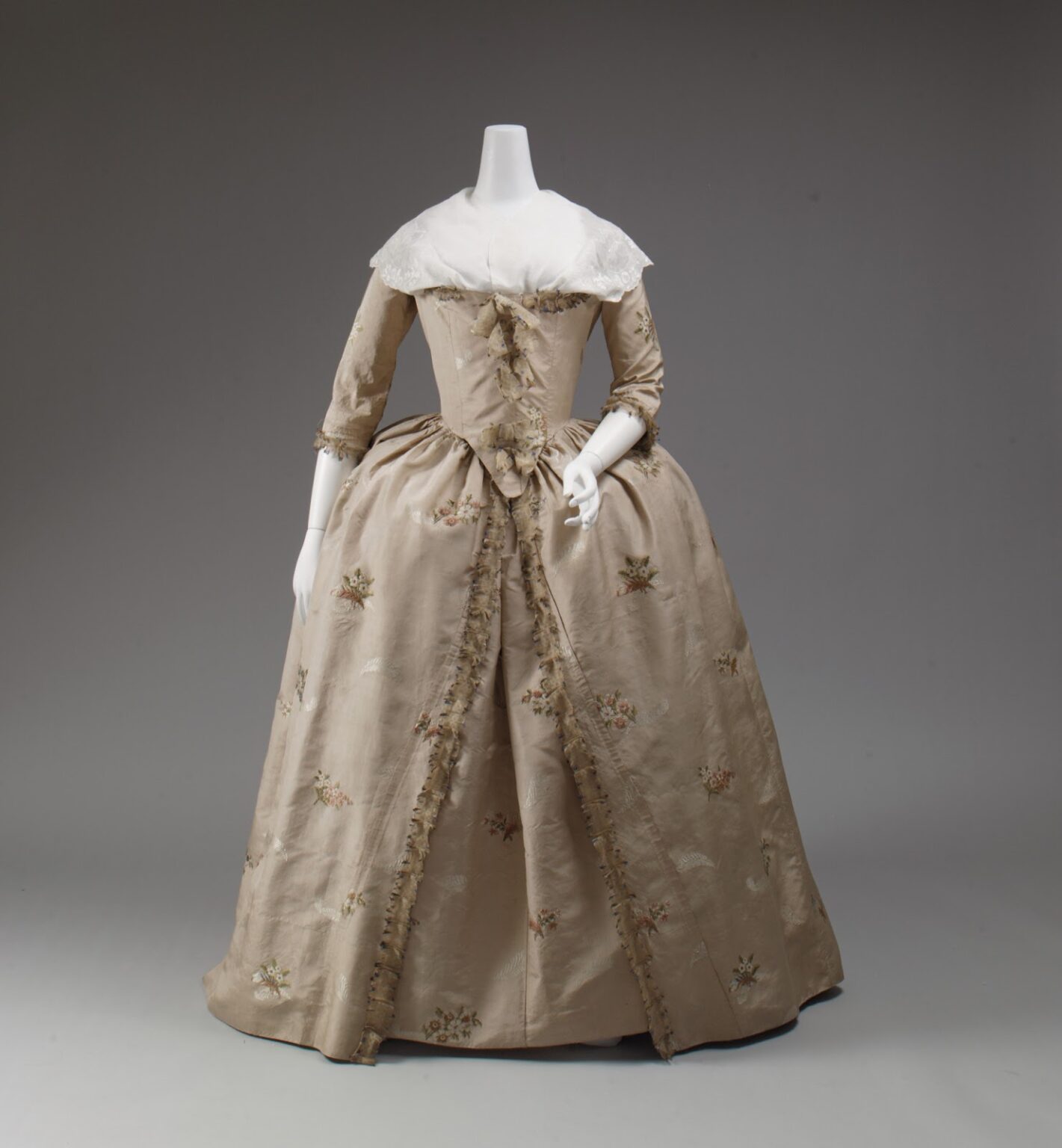
Women’s dresses became highly structured, often in pastel colours. Skirts were supported by various underpinnings, such as hoops, rolls, and pads. These gowns, typically worn by the aristocracy, featured intricate floral patterns and lace. Hidden beneath the long skirts were stockings, garters, and high-heeled shoes. Fashion magazines, notably “The Lady’s Magazine,” grew popular in London, showcasing the latest trends. The middle classes looked to the nobility and copied their styles. The working class made their own clothes from cheaper textiles or acquired them as hand-me-downs. The city hosted a large market for second-hand clothing and textiles, which were so valuable they were a frequent target for theft.
Wigs were a key fashion element, clearly indicating social status, though they became shorter towards the end of the century. Women adorned their hair with feathers and ribbons. For the working class, clothing remained purely practical. Women wore simple dresses with aprons, and men wore durable woollen jackets.
19th Century Transformations
Fashion in 19th-century London was shaped by sweeping social changes and industrialisation. The Industrial Revolution advanced textile production, making many fabrics more affordable and accessible. Clothing generally became lighter and more comfortable. Men adopted tailcoats, breeches, and top hats. These items were highly fashionable, clearly signalling a gentleman’s status and social standing.
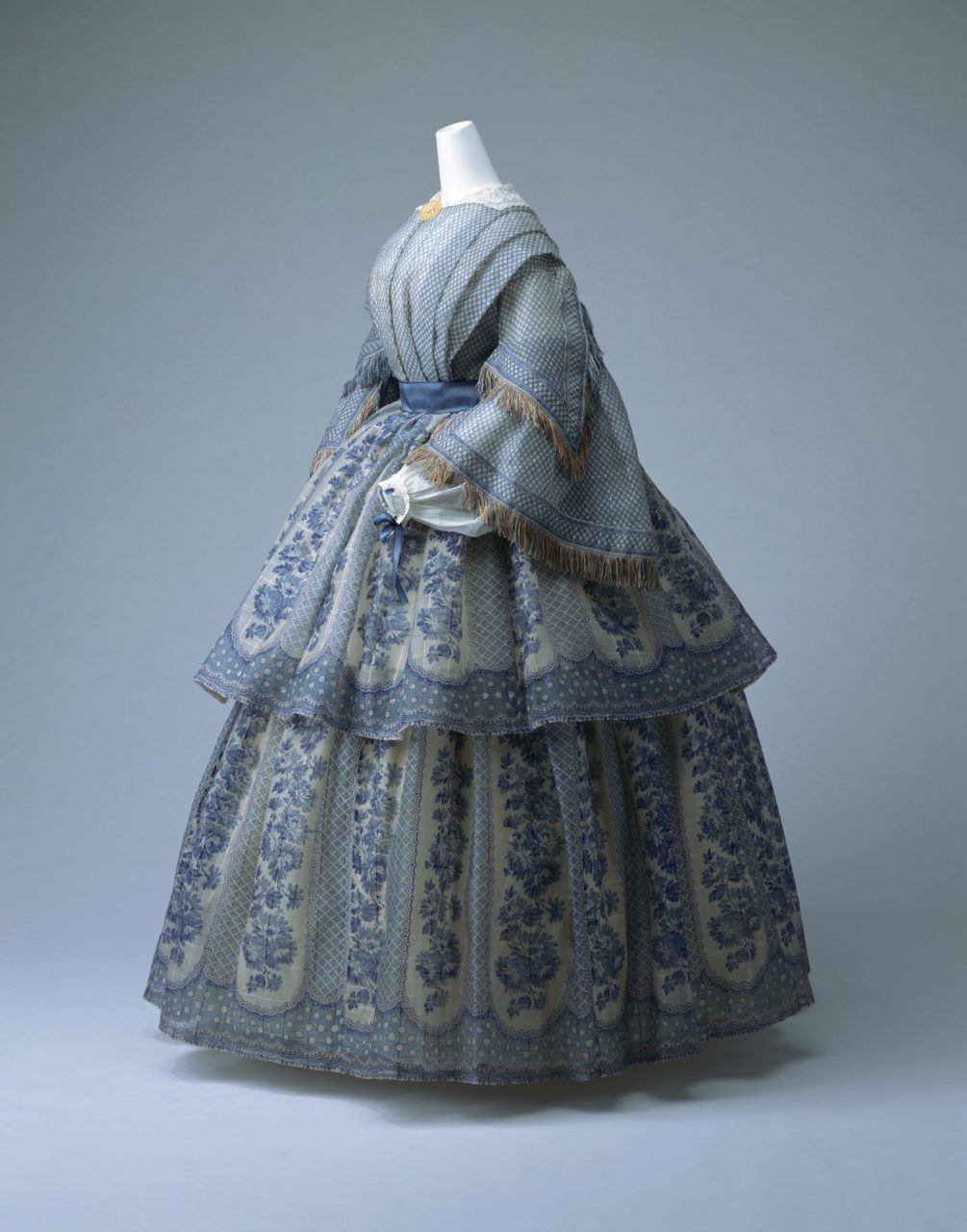
Women’s dresses were now designed with frills and ruffles, creating a voluminous silhouette. These gowns featured long sleeves and defined necklines. While the designs were delicate, they remained highly impractical. Common accessories included gloves, parasols, and bonnets. Women also wore corsets to achieve the fashionable “hourglass” figure. Clothing was typically bespoke (made to order) to ensure a perfect fit. London department stores, like Harrods, began to make clothing more accessible. Mechanised textile production lowered prices, while the arrival of the sewing machine in the 1840s dramatically sped up tailoring.
Prince Albert, a champion of technological progress, initiated the “Great Exhibition,” held in 1851 at the Crystal Palace in Hyde Park. It showcased inventions and new creations from Great Britain and around the globe. One curious item from the 1851 London exhibition was a white leather lady’s glove, printed with a map of London’s main streets and landmarks. This unique guide was created by George Shove for ladies to use as they navigated the city.
Towards the end of the century, fashion became intertwined with politics. Suffragettes adopted practical suits to signal their active role in society. As more women gained access to education, became more liberated, and fought for the right to vote, their lifestyles influenced fashion. Some women began to wear trousers, which were not yet mainstream. This trend emerged in the 1890s, primarily as practical attire for cycling.
In summary, London from the 17th to the 19th centuries was not just a consumer of fashion, but a powerful creator of it. Thanks to its global trade links and dynamic cultural shifts, the city became an epicentre of style. From Baroque extravagance to industrial practicality, the diversity of styles, social transformations, and political tides ensured that each era left an indelible mark on the history of fashion.