

London is often a pacesetter for many other cities across various aspects of life, and the fashion industry is certainly one of its most developed sectors. The history of fashion here holds countless fascinating stories. It reflects the inherent British traits of restraint and refinement, sometimes pointing to a preference for blending in, and at other times highlighting distinctive features unlike any other. Local designers’ collections regularly take the world by storm. However, there’s one other element that truly reveals the nuances of local style: make-up. Its history stretches back hundreds of years, with face painting evolving over time to acquire new looks and purposes. How have cosmetic products changed, and what was the ultimate goal of make-up throughout the ages? Read on with Londonka.
The First Cosmetic Products
In general, the development of many things in the UK’s capital is tied to the arrival of the Romans. They brought new cosmetic practices with them, too. During their rule, the value placed on personal care within society certainly grew. Various oils and powders became popular, manufactured using both local produce and imported goods. Even then, we can speak of the beginning of a distinctive British aesthetic. After the Romans left, cosmetics weren’t widely discussed for a long period. Although local inhabitants occasionally used products made from plants and minerals, these were strictly for health improvement. Londoners would sometimes adopt traditions from the peoples who colonised the lands. A little later, religion began to exert a powerful influence on society, leading to cosmetics being viewed with a degree of suspicion.
Deadly Beauty and a New Perspective
Following the Middle Ages, Europe entered the Renaissance, a historical period that brought significant changes to the realm of beauty. Suddenly, improving one’s appearance became a vital social preoccupation, with the upper classes striving for self-expression. Yet, people (mainly women) became so caught up in these trends that they paid no attention to the ingredients in their face products. While the cosmetics of the era were highly effective, they often contained toxic substances. The desire to achieve a pale complexion famously led to the inclusion of mercury and lead in recipes.
Public perception of make-up barely shifted until the 20th century. However, the composition of these products underwent dramatic changes. Safer ingredients were invented, capable of achieving excellent pigment. The make-up of the time could be likened to the typical description of a Victorian woman: it was delicate and sensual. Light lipsticks, powders, and perfumes became the most sought-after products. This period was also characterised by the massive scale of cosmetic production, meaning make-up was no longer exclusive to the aristocracy.
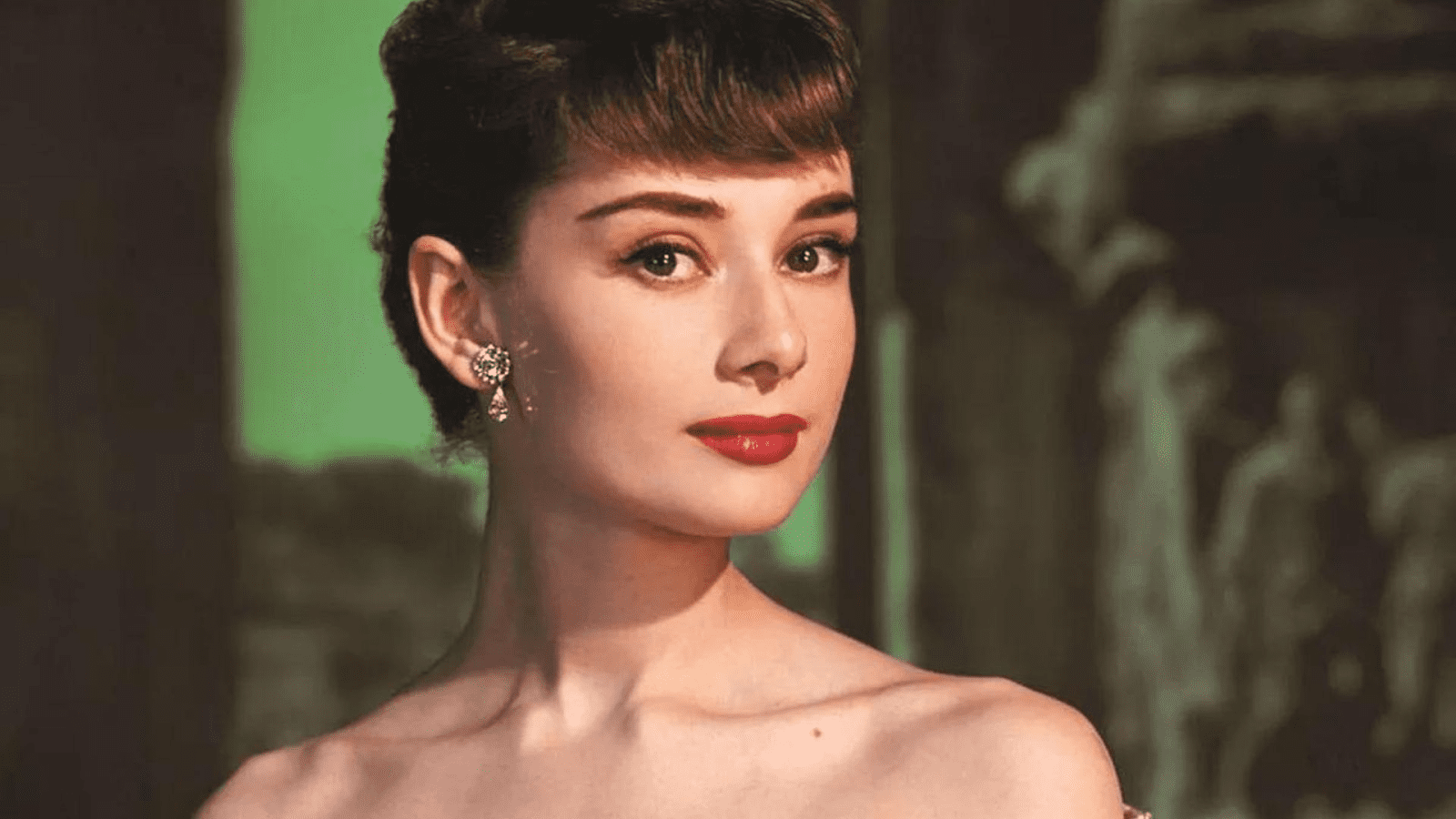
The spread of cosmetics led to the formation of specific make-up fashions in London. In the 1950s, red lips and the liberal use of mascara were all the rage, brilliantly exemplified by British actress and model Audrey Hepburn. Then, in the 1960s, Twiggy showcased the famous ‘London look’ to the world. Her style was defined by heavy mascara and thick black eyeliner. In the decades that followed, celebrities continued to experiment, sparking a myriad of new trends.
Contemporary Trends
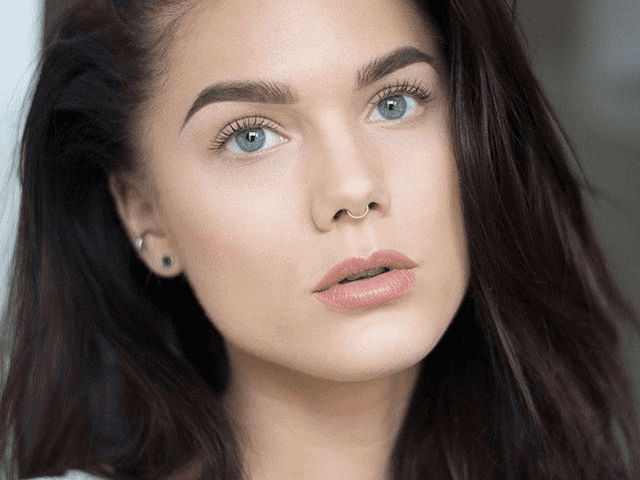
Cosmetics remain an integral part of the lives of most women in London. However, make-up trends in the 2020s are characterised by a shift towards celebrating natural beauty. Products are focused on achieving a soft, organic look, which has spurred the development of ethical and natural cosmetic lines. For example, London Organic offers a range of skincare and beauty products featuring organic ingredients. Similarly, ALTR London provides clients with environmentally friendly and sustainable options.