

What springs to mind when people first think of London? Many immediately picture tea and red double-decker buses. However, the hat can also be considered one of the city’s most famous symbols. Just recall the legendary Sherlock Holmes. A pipe and a classic hat were key attributes of the iconic detective. Members of the Royal Family have also always paid great attention to hats. Specifically, Queen Elizabeth II was invariably seen in an original ensemble, often completed by this distinctive item of clothing. The history of headwear in the capital is thus full of fascinating facts. Read on at londonka.
The Dawn of Headwear
The general consensus is that early head coverings were invented by people in Ancient Egypt, primarily for practical reasons. The first hats offered protection from the scorching sun and other harsh desert weather conditions. However, it is also worth noting that even thousands of years ago, headwear indicated social status. A prime example was the elaborate headpieces worn by the Pharaohs, made from cloth and leather. Yet, the main purpose of this item of clothing remained functionality. It was only during the European Middle Ages that people began wearing hats to signal their position in society or to show respect for those of higher rank. A clear system of hierarchy was also established in London during this period, which rapidly spurred the creation of diverse and elaborate hats.
The Top Hat Legend
The next major phase in the city’s headwear evolution was the emergence and widespread adoption of the top hat. Fashion history traces the origins of this wardrobe staple to the ‘capotain’ or ‘sugarloaf’ hats, which were immensely popular in the Middle Ages. The top hat, therefore, was an evolution, a change in the hat’s shape over time. However, a much more colourful legend about the top hat’s introduction exists in London. It involves a rather well-known haberdasher credited as the inventor of the item. In 1797, John Hetherington supposedly stepped out onto the streets of London wearing his creation, causing an uproar among the public. The legend claims children shrieked and dogs barked in fear at the sight of the man. While it’s hard for modern people to verify the truth of this tale, the story highlights the hat’s most distinctive feature. People reacted to the **sheen** of the top hat, as it was made from silk. For a long time, silk plush remained its standout element. Using this fabric allowed for a perfect, unmatched lustre and a unique appearance.
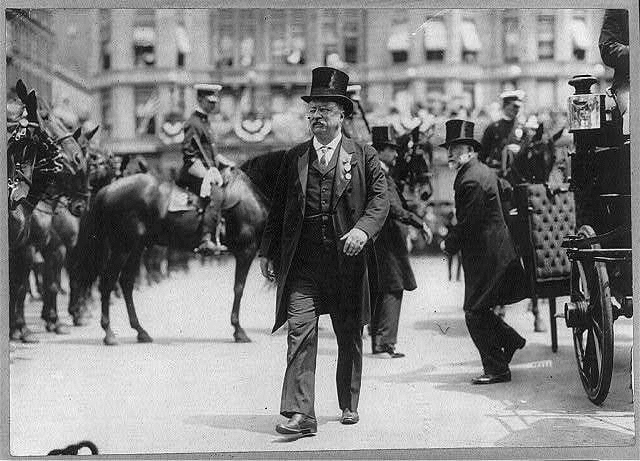
For over a century, the top hat remained an incredibly popular headpiece. It was worn daily and crossed all social boundaries. It was only in the early 20th century that the top hat gained a more formal connotation, transforming into an essential accessory for celebrations and official events. In 1968, the world’s last factory producing silk plush finally ceased operations.
Hats Today
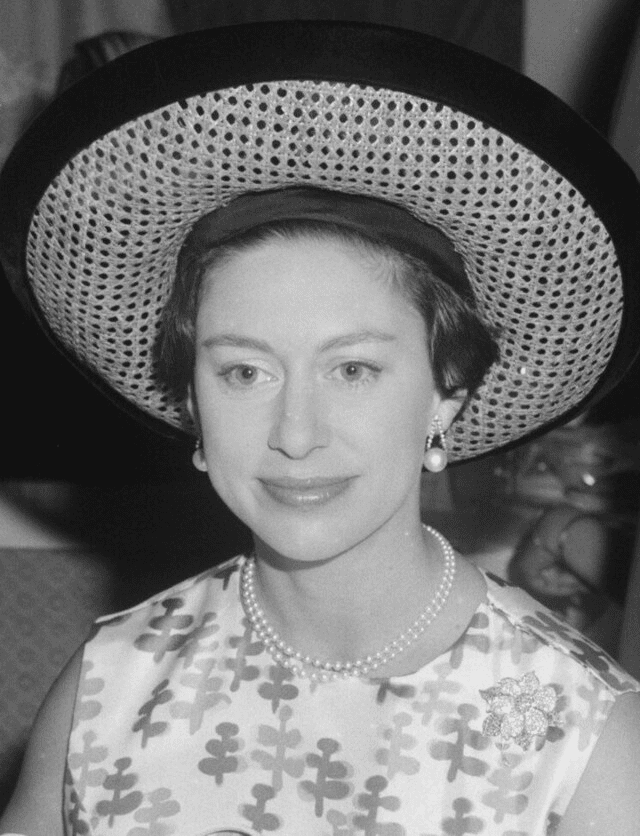
Since the 20th century, hat making has blossomed into a full-fledged fashion industry. Hats now vary greatly in shape, material, and embellishment. Over time, brands began to inject distinctive features into their designs, setting them apart from the competition. For instance, James Lock & Co., the oldest hat shop in London, is renowned for its impeccable quality. Overall, the hat industry continues to thrive in the modern world, thanks to many famous figures who wow the public with their original headwear. In London, people have always been inspired by the style of the Royal Family. Queen Elizabeth II’s hats, in particular, gained worldwide fame, while Princess Margaret’s stunning taste posed a genuine challenge for the most celebrated designers. It’s also important to mention Christys’ London, one of the oldest hat manufacturers, known for creating headwear for the Royal Household.