

Our look is our business card. London has long been famous for its abundance of talent, especially in the field of fashion. Alexander McQueen, Vivienne Westwood, John Galliano, Stella McCartney and Paul Smith — all of them started their careers in this beautiful metropolis and contributed to the development of international fashion. Learn more at londonka.
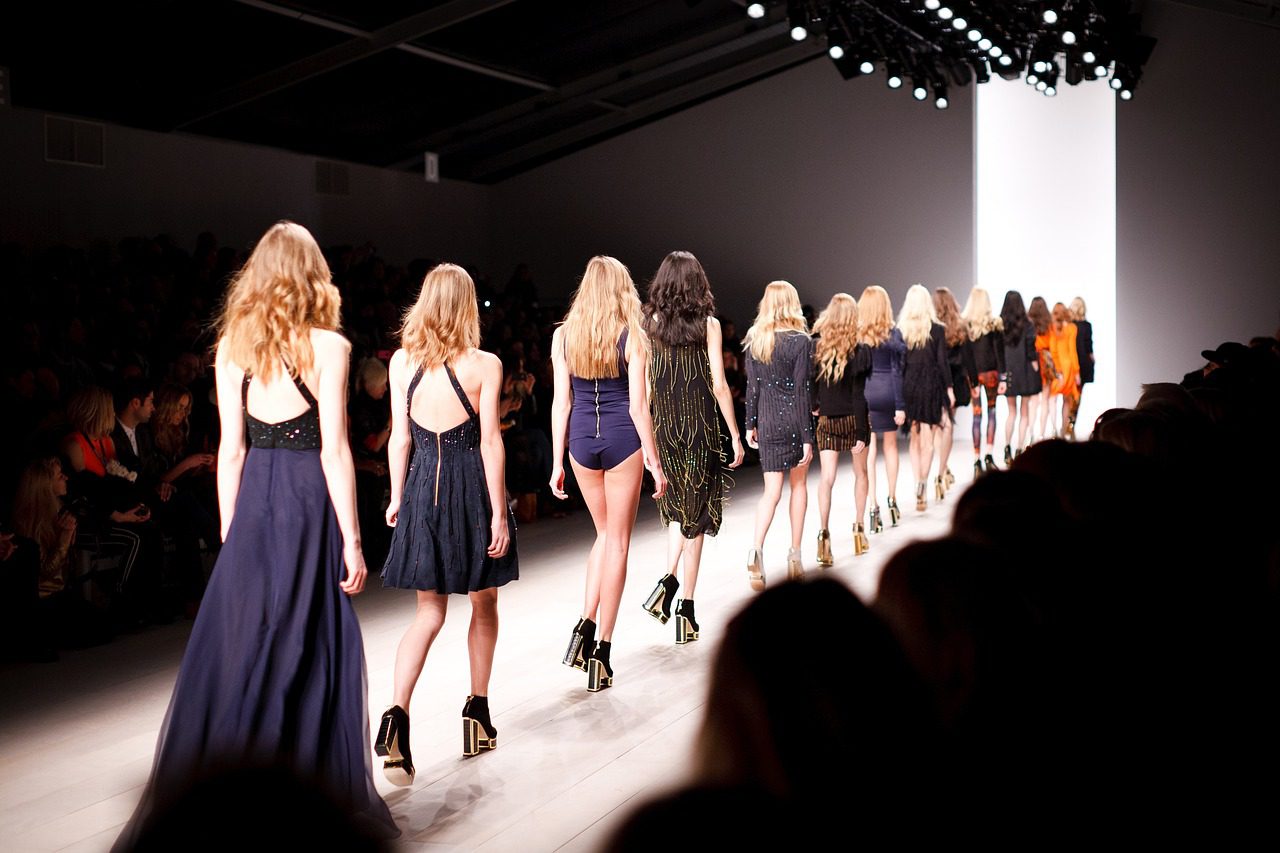
Over the centuries, fashion has constantly transformed depending on social changes. The capital of Great Britain has become the world centre of the fashion industry. Twice a year, the city holds London Fashion Week, a clothing show, which demonstrates current fashion trends by various designers. It is an opportunity to attract the attention of fashion lovers from all over the world.
History of London fashion
The history of London fashion is as old as the city itself. It is connected with its social, cultural and economic development. During the Middle Ages, London had a strong trading economy and the city became a centre of merchant and cultural exchange. Until the 15th century, it has become one of the largest cities in the world. Still, it couldn’t compete with such centres of production and demonstration of fashionable goods as Paris and Rome. London was a transit point in the international fashion system. It reported primary and unfinished products, including wool, metal, fur and embroidery.
In that period, the city had great political and cultural influence on other countries because the Parliament and the Crown established permanent bases there. Such a process attracted the attention of many influential people and led to the fact that London fashion trends expanded far beyond the city borders.
The palaces of Elizabeth I, Charles I and Henry VIII in Hampton Court, Greenwich and Whitehall were the birthplace of the English style. In the 18th century, London entered a new phase of its fashion development. Then it formed a style, which influenced world trends for three centuries. In the 1740s, the tailors on Savile Row, Jermyn Street and St James’s started to create menswear that combined sports and aristocratic elements associated with London’s dandies. Such style also influenced women’s clothing, shaping the austere patterns and concise designs by Norman Hartnell, Hardy Amies and others.
Freedom of expression in the 19th and 20th centuries
In the 19th century, London expanded the range of its clothing production. The French Huguenot community began to weave exquisite multi-coloured silk fabrics for dresses and waistcoats. Seamstresses were poorly paid at that time. It was exploitation of women’s labour. In the late 1850s, William Perkin developed synthetic dyes. At the end of the 19th century, Thomas Burberry experimented with waterproof materials. By the 1830s, the West End had been replenished with new shopping galleries, which introduced a new shopping concept with an emphasis on beautiful window displays and customer comfort.
The 20th century was a period of rapid fashion development. In the 1920s, Londoners drastically changed their style. The city was distinguished by liberality and fashion became an expression of personality. In the 1960s, the metropolis became a centre of fashion experimentation when Mary Quant created the mini skirt.
Ten years later, the city was engulfed in punk culture thanks to Vivienne Westwood and Malcolm McLaren. It was the period of ripped jeans and leather jackets. The bright hair colour showed a protest against social restrictions, which cemented London’s status as a rebel.
Modern fashion life
Nowadays, London fashion inspires many designers all around the world. The combination of stylish suits and street outfits appeals to many people. London Fashion Week is an important event for the centre of the fashion industry. Thanks to it, many talented designers continue to develop the London style and add unique elements.
Young and independent designers, photographers and stylists influence the city’s trends. Even though the British fashion industry isn’t supported at the state level, the energy of the capital contributes to its further development in the 21st century.