

The fashion history of any country fascinates and can transfer you into a completely different world. The fashion styles of different eras are closely related to historical and social events. Such trends reflected the life of city residents. The history of English fashion is one of the richest because the London authorities influenced trends in many Western European countries. A modern observer can trace how fashion was developing and transforming from wide lace collars, lush dresses and corsets into extraordinary, bright, original and amazing contemporary designs. Moreover, today, artists often turn back to trends of the past centuries, creating their unique collections. Thus, the fashion of the past becomes relevant again from time to time. Learn more at londonka.
Melancholic moods in 17th-century London and their reflection in clothing
In England, the 17th century was marked by the English Revolution and several other global events that had a significant impact on clothing. That style featured French motifs and intertwining of black and white shades according to the mood of the country’s residents. This fashion was especially typical for representatives of the royal court. The portraits made by the masters of that time depict depressed people with tired facial expressions. Their outfits consist of the most popular items of clothing, such as wide lace collars, doublets and breeches in mostly dark colours.
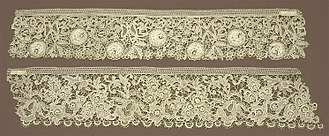
This period was also characterised by the excessive use of lace, which had various textures and was made with different techniques. Usually, it was sewn with needle and thread and was used for the design of big and voluminous collars. Sleeves and edges of dresses were also decorated with it. Light shades and floral prints were popular among London women. In general, the styles of both women and men featured splendour and significant volume. The wife of Charles I and her bulky outfits is a vivid example of those trends. Such clothes were made of satin, their sleeves and neckline were decorated with thin lace and the waist was emphasised by a ribbon belt.
Features of 18th-century fashion
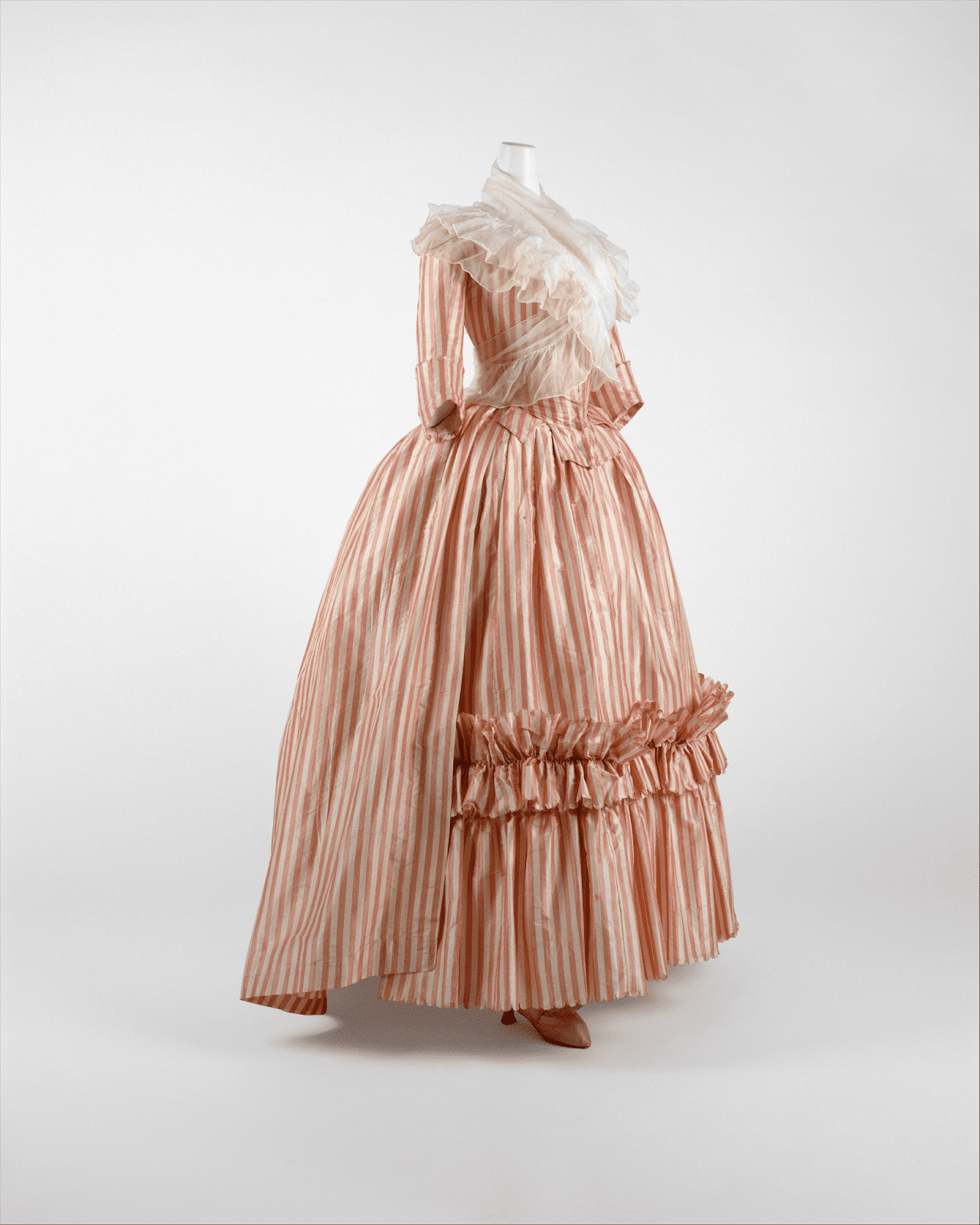
London remained one of the leading European centres of textile production throughout the 18th century, owing to the rapid development of mechanisation. For this reason, the clothes produced in the country became the icon of the contemporary style. However, the fashion heritage of the last century was still visible. Most of the designs, styles and colours remained the same. For example, a popular dress of that time had the same lush skirt, but the tendency to excessive lace usage disappeared. Women started to use corsets that visually narrowed the waist. In the 18th century, clothing was focused on the female figure. It featured borrowings from French fashion. However, English, and in particular London style, was simpler and less excessive. Starting from the 1770s, one of the most common dress styles was robe à l’anglaise, which derived from the basic canons of English landowners’ clothing. This kind of dress was very popular among city residents and was frequently worn for a walk. Its lower and upper parts were sewn separately, which made it more comfortable.
Men’s fashion has also undergone certain changes. In particular, it got rid of excessive splendour and bulkiness. The clothes emphasised the body silhouette. Hoodies and airy fabrics have already gone out of fashion and were replaced with silk and thicker textiles. Men usually wore a shirt, camisole or long waistcoat with flared sleeves, breeches, silk stockings and high-heeled shoes. The outfit highlight was a triangular hat that covered the wig.
Fashion trends of the 19th and 20th centuries
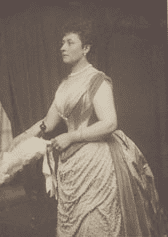
The Victorian era is considered one of the most sophisticated in the history of fashion. It was extremely refined and charming. Corsets gave women elegance, while suits emphasised men’s physique. Some features of the style remained relevant for many years after the death of Queen Victoria. Significant changes in fashion occurred during the First World War. Perhaps it was for the best that the queen didn’t see that period because, to put it mildly, the style wasn’t a priority back then. The boundaries between men’s and women’s clothing were almost destroyed, which was unseen in old London. Women were forced to do a lot of work on farms and factories. Therefore, the top priority became comfort and convenience. The economic situation in the country didn’t allow people to spend money on expensive fabric or jewellery. At the end of the 1920s, the war was over and people got a breath of fresh air. Women once returned to their fancy dresses and men began to experiment with the colour of their suits. In a few years, women got used to comfortable clothes, so corsets went out of fashion. In addition, a bow tie became a new interesting and original element of men’s clothing.
New historical events cause global changes in all areas of people’s lives. This is what happened to London fashion after the end of the Second World War. The style has changed irreversibly. People aimed for comfort and were developing in that direction. Although the designs have changed a lot, new models emphasised the female and male figures as well. A vivid example is a silk open-back dress. In the 1960s, the British designer Mary Quant developed a miniskirt, making a revolution in fashion. At that time, bright colours were becoming more popular too. That’s how a new era in the world of fashion began, offering unique designs, combinations of completely different items and extraordinary solutions.
Decisive steps in creating a modern style
At the end of the 20th century, art and fashion started to introduce new trends. Society needed new forms, unusual combinations and bright colours. The creation of clothes very often turned into a spectacle. London has become one of the leading fashion centres in the world. Newly-opened related educational institutions and local fashion shows proved that fact.
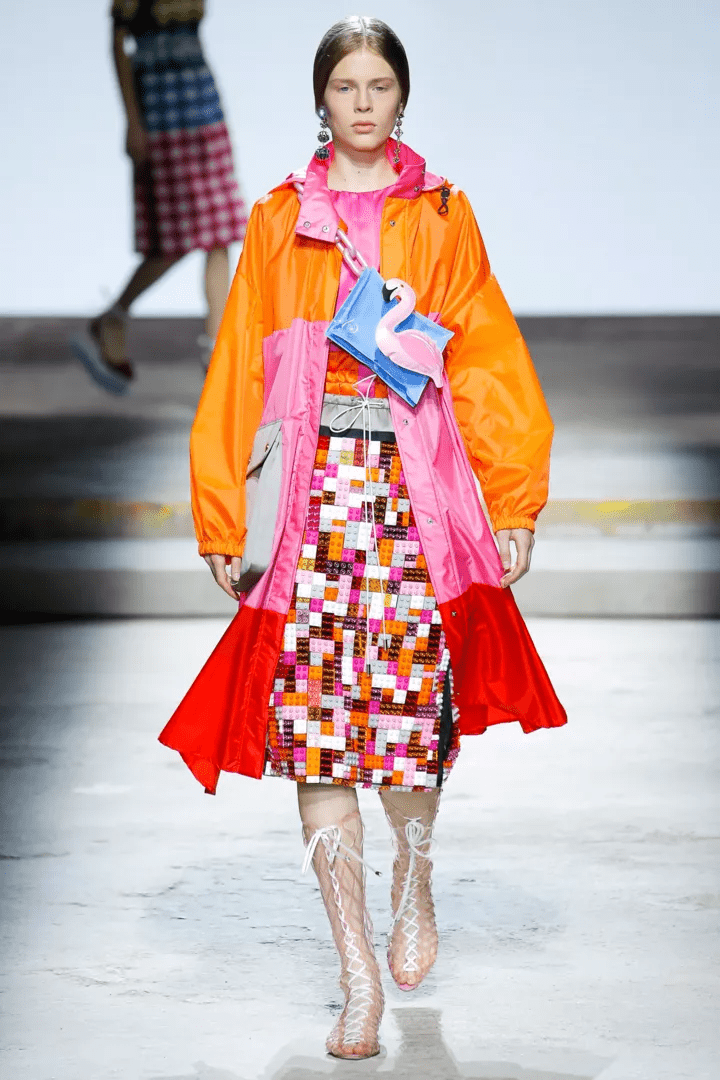
In the 1970s, the first youth movements and subcultures began to appear, offering their own unique styles. In London, people preferred wearing colourful outfits, dresses and tops with trousers. In addition, they added various decorations, depicting flowers. Crocheted clothing was also popular. The style changed drastically with the emergence of punks, who wore leather items with chain necklaces. In the 1990s, women and men preferred oversized jeans and hoodies. A sports suit became one of the most favourite outfits. At the beginning of the 21st century, designers continued to surprise not only Londoners but also the whole world with new forms and various geometric shapes in clothing. Today, it seems that each fashion show is the highest point of originality and nothing can surpass it, but designers prove that there are no limits.