

London is one of the world’s most fashionable cities. From beautiful royal regalia to cutting-edge street style, the city’s fashionistas own it all. The chic streets of Mayfair and the trendy quarters of Shoreditch constantly host designer showcases, social events, and collaborations. All of this shapes the style landscape of the fashion industry, driving new collections and influencing international connections.
As London has always been a centre of style, its history is rich with designer breakthroughs and the establishment of iconic fashion houses. London’s fashion scene is incredibly diverse, reflecting a rich tapestry of cultures and historical political shifts. The metropolis seamlessly blends contemporary trends with classic styles, encouraging complete self-expression. Read more at londonka.uk.
Pages of History
London’s fashion heritage began in the Mediaeval period, which saw a boom in tailoring and the introduction of new, innovative styles. While the city struggled to compete with Paris and Rome in terms of high fashion, London remained a central trading hub. It exported finished goods and materials while importing high-class luxury items. Life was starkly contrasted: the wealthy could afford any clothing they desired, while the poor could only dream of simple necessities. Since prominent figures frequently visited the Royal Palace, this influenced the culture of luxury and the development of the distinct English style.
The 18th century was an era of luxurious silk embroidery, towering wigs, voluminous gowns, and men’s frock coats. It’s important to note that the metropolis became famous for its bespoke tailors on Savile Row, who crafted high-quality custom-made suits. During the Victorian era, London fashion underwent changes. Frock coats were shortened at the front, and women’s gowns featured lowered waistlines to emphasise a more natural silhouette. The city’s garment industry expanded significantly at this time. High-end luxury goods were made and sold in the West End, while the East End housed lower-quality garment production. Fashion was generally quite strict, somewhat conservative, focusing on corsets and long skirts for women.
20th Century Fashion
Fashion in London during the 20th century saw several shifts, some of which were linked to political events. The World Wars also influenced changes in the city’s clothing styles. During WWI, there was a greater sense of freedom in clothing, as corsets quickly went out of fashion and women began wearing trousers. WWII saw the rise of the military style, with certain elements of uniforms crossing over into civilian wear. City designers began creating handbags with pockets for gas masks and warm suits for bomb shelters. Strict regulations were imposed on the tailoring of civilian clothes. By 1942, “Utility” clothing became popular as it was inexpensive and practical. Post-war, women started wearing jeans, although few dared to be so bold initially.
In the first half of the 1950s, the “Dior” look was in vogue. Women wore hats and gloves, and dresses were elegant. Ten years later, youth-focused outfits gained popularity, featuring styles that included matching skirt suits, small hats, and statement jewellery. Later, London fashion became more comfortable and vibrant, embracing chunky platform shoes, miniskirts, baggy jeans, and neon windbreakers.
London Fashion Week
The metropolis’s fashion is unimaginable without London Fashion Week (LFW). This clothing exhibition takes place twice a year, in February and September. It was organised by the British Fashion Council (BFC) for the London Development Agency. It was first held in 1984 and proved to be an incredible event for the world of design, with designers like David Fielden, John Galliano, and Betty Jackson presenting their collections.
In 1993, LFW made global headlines when Naomi Campbell walked the runway topless. This resulted in the entire collection by famous London designer Stella McCartney being completely sold out, and all eyes turning to London. In 1997, model Sophie Dahl walked the runway, showcasing a size 14 figure, raising questions about anorexia and the impossibly high expectations within the industry.
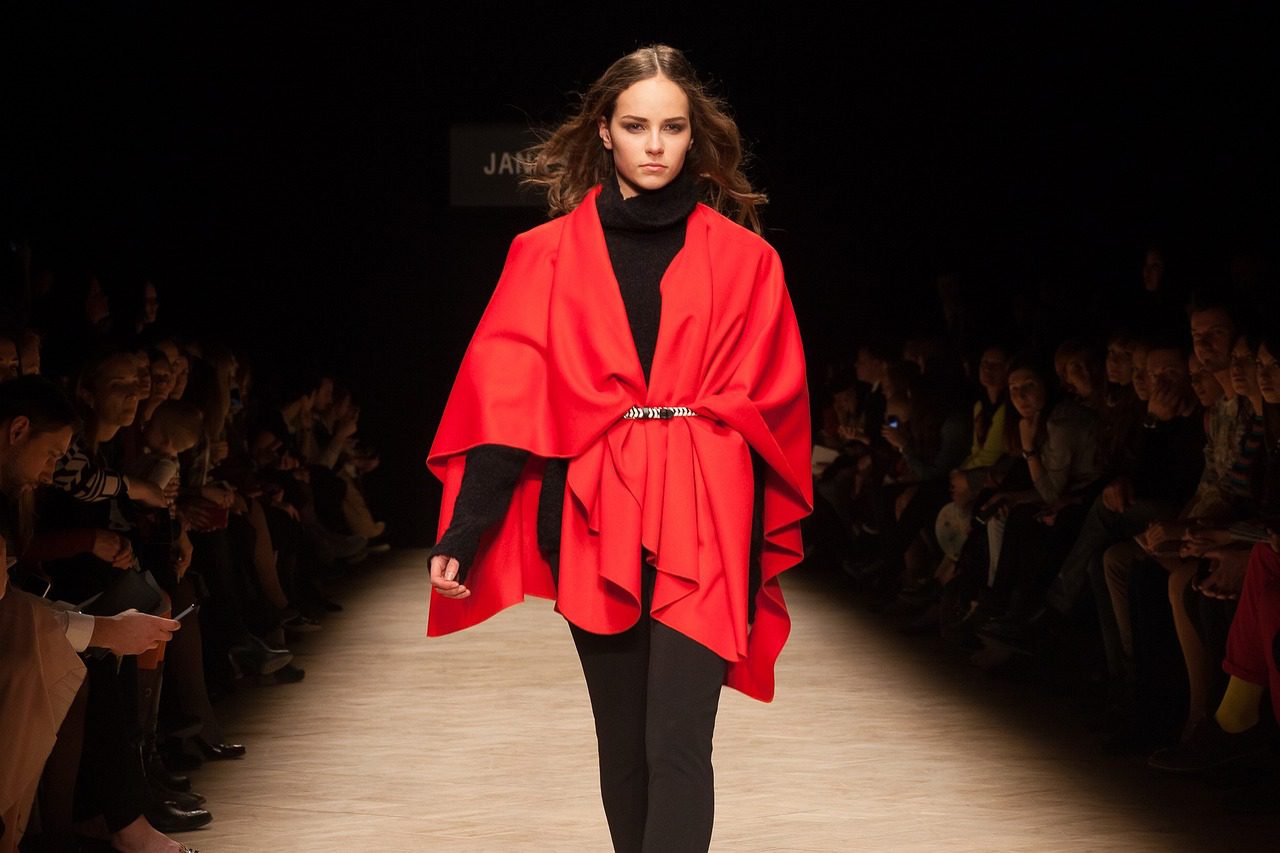
Today, London Fashion Week is part of the “Big Four” fashion weeks, alongside Milan, Paris, and New York. The event draws influential designers from around the world, such as Burberry, and the show has evolved into an accessible spectacle, often live-streamed by bloggers. These fashion shows remain an integral part of London’s vibrant fashion scene.
London’s Fashion Districts
It’s worth noting that every corner of the metropolis stands out for its unique style. Fashion connoisseurs know exactly where to go to find the latest beautiful pieces. Shoreditch is renowned for its vintage boutiques and independent designers. People flock here in search of one-of-a-kind items. For example, shops like Rokit and Beyond Retro offer an eclectic range of stock.
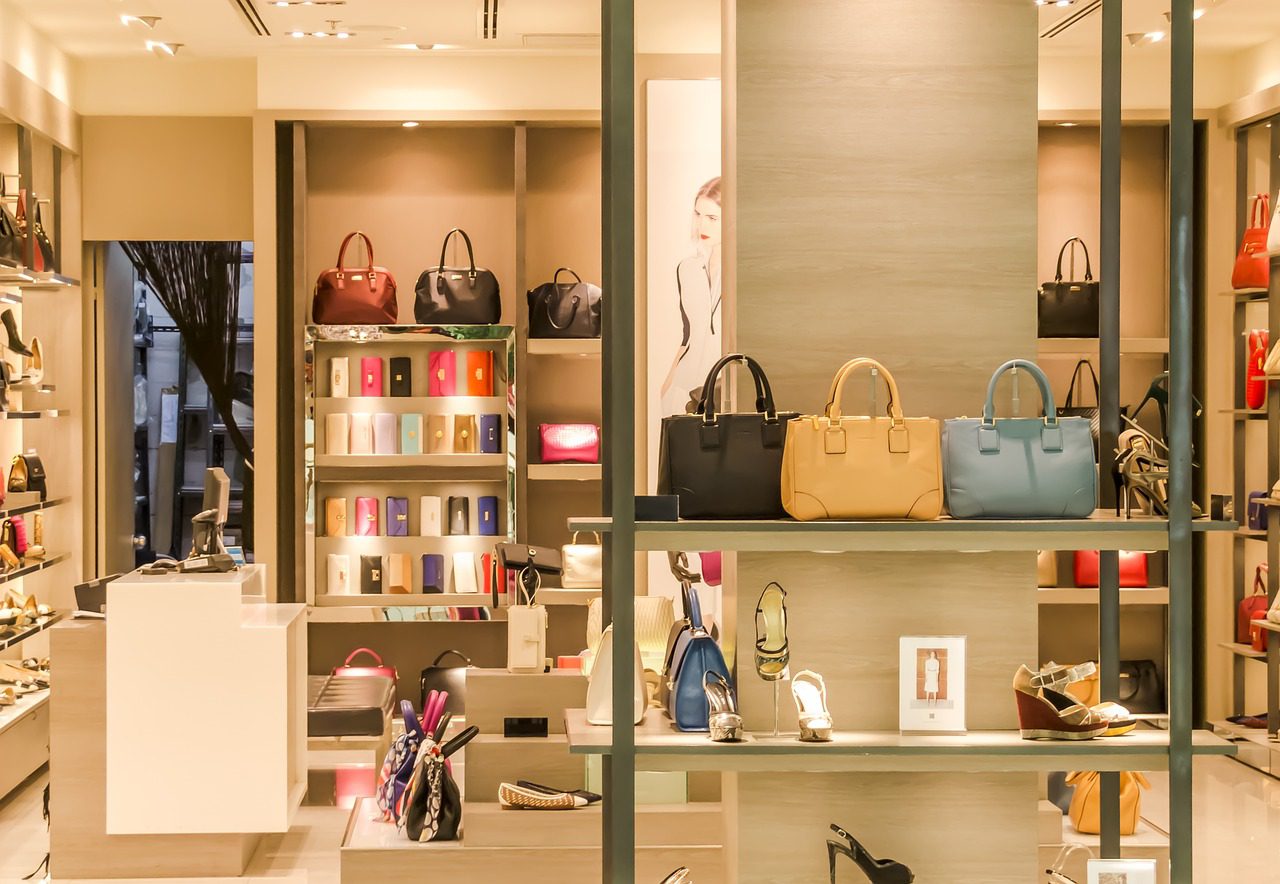
Oxford Street is home to high-street fashion stores like Zara and H&M, where you can buy popular and affordable pieces. Covent Garden is full of elegant boutiques and features stores like the skincare brand Aesop. This area also hosts pop-up shops for emerging designers, helping the public discover new talent. The Mayfair district appeals to luxury lovers, as it houses flagship stores for Gucci, Chanel, and Burberry, alongside the bespoke tailoring of Savile Row.
Ultimately, London remains a source of inspiration for fashion enthusiasts worldwide. London-based designers such as Alexander McQueen, Stella McCartney, and Jonathan Anderson continue to shape contemporary fashion trends.