

London has always been a hub for fashion, art, and style. Opinion leaders from across the globe often flock here to attend new collection shows and be the first to see the latest style innovations. The city is also home to museums where you can immerse yourself in the history of costume and style, which safeguard exclusive collections from the world’s fashion industry.
For those with a particular interest in fashion, London offers a unique destination: the Victoria and Albert Museum (V&A). It is the world’s largest museum of decorative arts and design. The V&A features diverse garments, spanning from the Medieval era right up to the present day. These exhibits showcase the evolution of materials and tastes among Londoners, as expressed through their clothing choices. Read more at londonka.
The Museum’s History
As soon as visitors step through the doors of the Victoria and Albert Museum, they are immediately enveloped in an atmosphere of creativity and historical change. It’s a true treasure trove spanning centuries of history. The museum was founded in 1852 due to a perceived need to educate the public about decorative arts and design, during a period when Great Britain was rapidly transforming into an industrial nation. Often shortened to the V&A, the museum was named in honour of Queen Victoria and Prince Albert, both great patrons of the arts.
The museum traces its origins back to the Great Exhibition of 1851, with Henry Cole serving as its first director. Initially known as the Museum of Manufactures, it opened to the public in 1852 at Marlborough House. By September, its initial collection had been moved to Somerset House, which at the time housed art and science collections. Negotiations to relocate the museum took place until February 1854, when it was renamed the South Kensington Museum.
Queen Victoria officially opened the museum on 20 June 1857, and a year later, evening opening hours were introduced, made possible by kerosene lighting. These experiments aimed to determine convenient visiting hours for the working class. To boost visitor numbers, the museum displayed collections of applied art and science. On 17 May 1899, the museum’s name was changed to the Victoria and Albert Museum.
Fashion Collections
Today, the museum holds 2.3 million objects, cementing its status as the world’s largest museum of decorative arts and design. What visitors see in the museum largely represents the creativity of Britons from the period between 1500 and 1900. You can view historical costumes ranging from mediaeval attire to contemporary designer pieces. The collections also include embroidery, lace, textiles, footwear, hats, handbags, and jewellery.
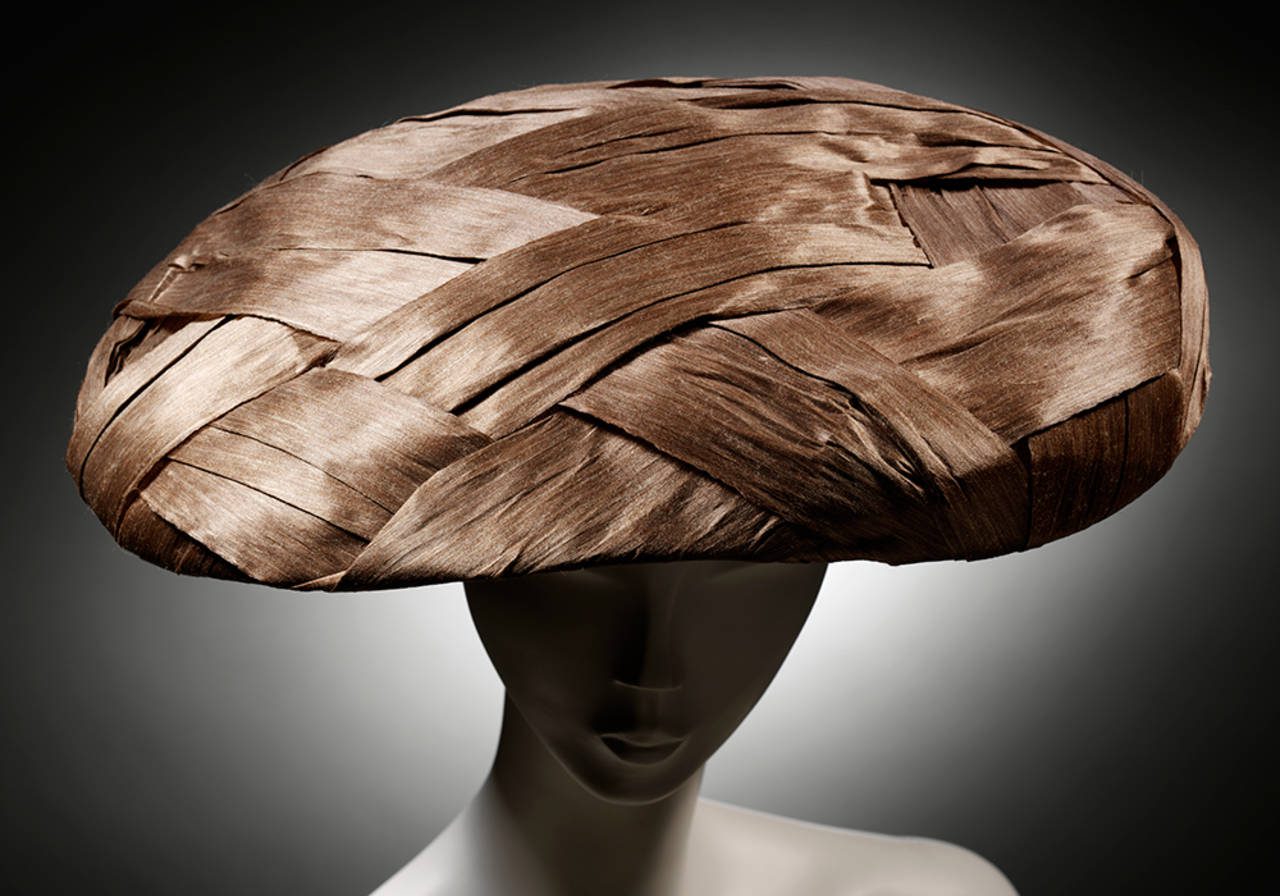
Fashion enthusiasts are particularly drawn to the costume collection, which illustrates how fashion and textile art developed from the past to the present. With over 14,000 outfits and accessories, the costume collection is the largest in Great Britain. As everyday clothing was rarely preserved, the museum’s holdings primarily feature fashionable attire for special occasions. Some of the first costumes entered the collection in 1913 when the museum was gifted the Talbot Hughes collection, which contained 1,442 costumes and objects, following a display at the neighbouring Harrods department store.
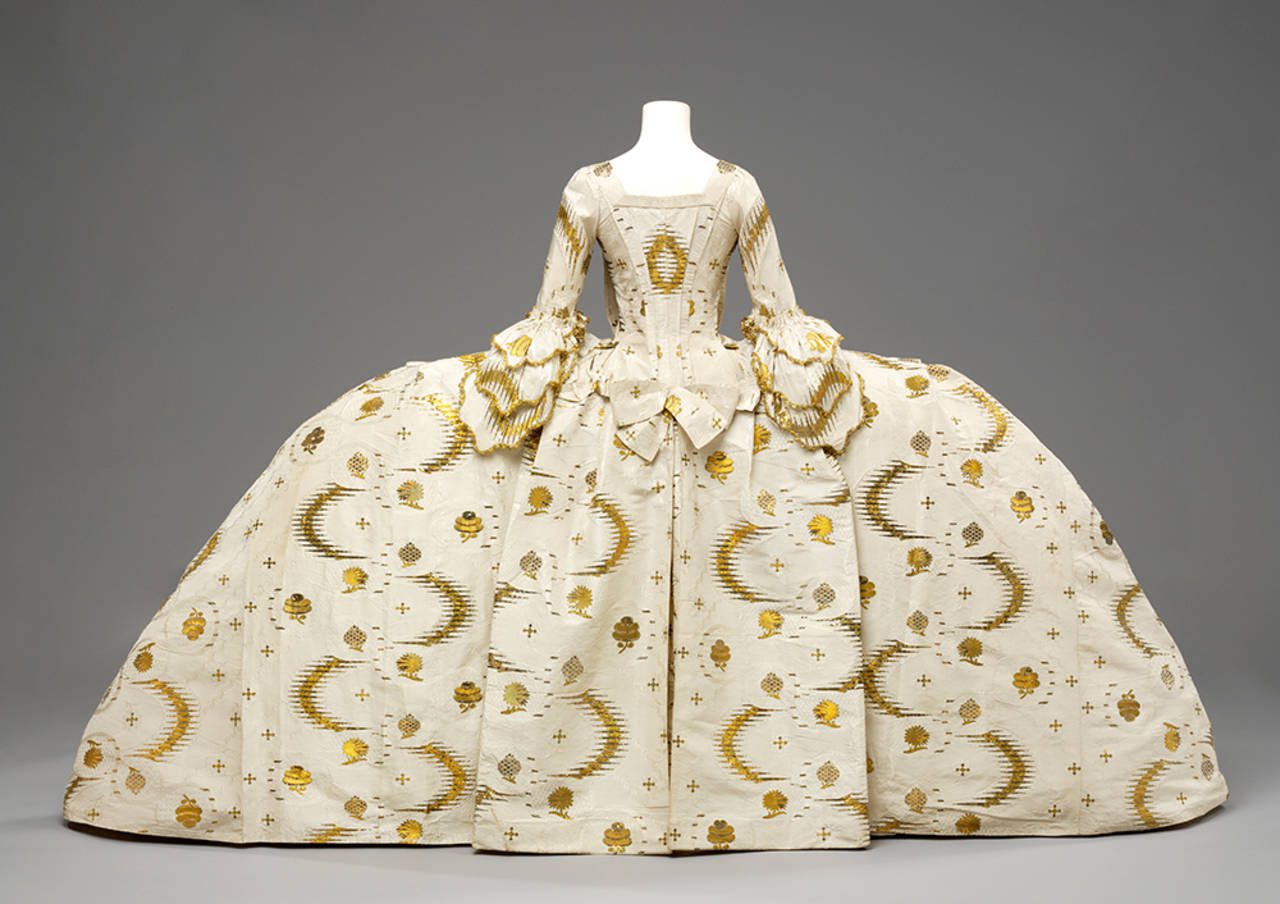
Located right in the heart of London, the museum is easy to reach. Tourists queue up to see exclusive models, including rare 17th-century dresses, an 18th-century Mantua dress, clothing worn by Marie Antoinette from the 18th century, 1930s evening wear, casual 1960s clothes, and post-war fashion. The 18th-century collection is especially rich, showcasing European fashion and accessories. Visitors can also view 19th-century garments, as well as models worn by the elite of China, India, and Japan.
Fashion-Related Events
The museum frequently hosts various exhibitions dedicated to fashion and design. These events often become global spectacles, drawing in numerous celebrities and prominent figures. Past exhibitions have included:
- “Alexander McQueen: Savage Beauty” (2015) — Featuring the works of designer Alexander McQueen, this exhibition proved to be the most popular in the museum’s history.
- “Fashioned from Nature” (2018) — An exploration of the relationship between nature and fashion, including the impact of the fashion industry on the environment.
- “Christian Dior: Designer of Dreams” (2019) — An exhibition dedicated to Christian Dior and his work, which significantly influenced 20th-century fashion.
In addition to exhibitions, the V&A offers workshops, lectures, educational programmes, and sessions for researchers. The museum is committed to sustainable practices, including renewable energy and material recycling. This attention to environmental issues is often reflected in its exhibitions. Museum curators take meticulous care of the collections to preserve them for future generations.
The V&A also provides a wide selection of interactive activities designed for families with children. Themed trails help introduce collections and encourage children to observe the garments. In “The Imagination Station” area, children are offered practical sessions that stimulate their creativity and satisfy their curiosity.
Influence on Style and Contemporary Fashion
The museum not only preserves historical exhibits but also influences contemporary style and fashion. It actively collaborates with designers who later showcase their own products and collections, leading to innovations in the fashion world.
The V&A is a unique institution that helps people study the history of fashion. Its exhibitions and various educational programmes play a vital role in promoting design and the arts.