

London is widely regarded as a major fashion capital, famed for its reputation for residents who embrace bold, sharp, and innovative clothing designs. This constant influx of novelty attracts creative people from all over the world every year. The fashion industry has always been critical to the city’s economy and image, as London sustained a successful manufacturing economy throughout the 20th century. The city produced a huge volume of clothing, footwear, and accessories, which were sold across the UK and exported globally.
This metropolis has consistently been an epicentre for fashion innovation and cultural shifts. The birth of new styles here influenced the entire global fashion industry, encompassing everything from elegant tailoring to the vibrant counter-culture trends of the 1990s. London set the pace for fashion, reflecting the economic, social, and political changes that defined the century. Read on at londonka.uk.
Through the Pages of History
Throughout the 20th century, London fashion evolved from modesty to freedom, but a common thread linked the changing trends of every decade: politics. The Edwardian era began in 1901 following the death of Queen Victoria. At that time, the “Edwardian S-Bend” corset was incredibly popular in the city. It helped create a distinctive silhouette, pushing the bust forward and the hips back, thus accentuating the waist. Dresses were modest, covering the arms and body. The main characteristics of women’s wardrobes were luxury and elegance. Expensive fabrics like silk and satin were used for clothing, underscoring the wearer’s social status. Men typically wore three-piece suits with waistcoats, top hats, and carried canes.
As technology advanced, the garment industry in London expanded annually. Different parts of the city specialised in various types of clothing; for example, the city’s West End became synonymous with bespoke tailoring and haute couture production. It’s worth noting that immigrants, particularly those from Jewish communities, made a significant contribution to 20th-century fashion. Dressmaker Peggy Lewis, for instance, created exquisite, custom-made, embellished designs. The production facilities required skilled labour, and new innovations fostered the growth of various fashion segments.
The scale and importance of the fashion industry to London’s economy were clearly demonstrated in the 1935 Government Census of Production, which recorded nearly 90,000 people working directly in clothing manufacturing in the capital. These workers produced 45% of all garments created in the United Kingdom.
Wars and Their Impact on Style
After the First World War, a period of change brought new freedoms in dress. Women ditched their corsets and began wearing trousers. However, the Second World War had the most profound effect on London fashion. While hostilities raged, fashion initially took a back seat as women worked for the war effort and wore military uniforms. The new military trend quickly became a classic, with elements of the uniform migrating into civilian clothing. For the most discerning individuals, London designers created handbags with compartments for gas masks and warm suits for air raid shelters. The true novelty was the ‘siren suit’ — a kind of jumpsuit that could be quickly thrown on to dash to the shelter during an air raid.
From 1941 to 1949, clothing ration books were in use in London. The government also introduced strict regulations for the manufacture of civilian clothing. Men’s clothing was subject to the most stringent economy rules: single-breasted suits replaced double-breasted ones, trouser turn-ups were banned, pockets were limited, shirts lacked double cuffs, and even zips were restricted. The only exceptions were men’s braces and women’s underwear.
In 1942, “Utility” brand civilian clothing went on sale. It was manufactured according to special government standards developed to deal with the severe shortage of materials. Designers created inexpensive, stylish, and diverse models. The Utility clothing was comfortable, had minimal decoration, and quickly gained popularity even beyond the UK.
The London Fashion Revolution
London’s post-war recovery was also reflected in its fashion. The 1960s became a symbol of revolution, and the metropolis was dubbed the capital of youth fashion, thanks to designers like Mary Quant, who popularised the miniskirt. The “Mods” style emerged, characterised by bright colours, bold patterns, and sharp, short haircuts. Carnaby Street became the epicentre of these new trends. The benefits of local garment manufacturing were recognised by figures like Ivor Sellar, who owned a large factory in Neasden and boutiques on Carnaby Street.
The punk movement also gained significant popularity. Thanks to designer Vivienne Westwood and the band the Sex Pistols, punk became a symbol of anarchy. This style was defined by studs, leather, ripped fabrics, and provocative slogans.
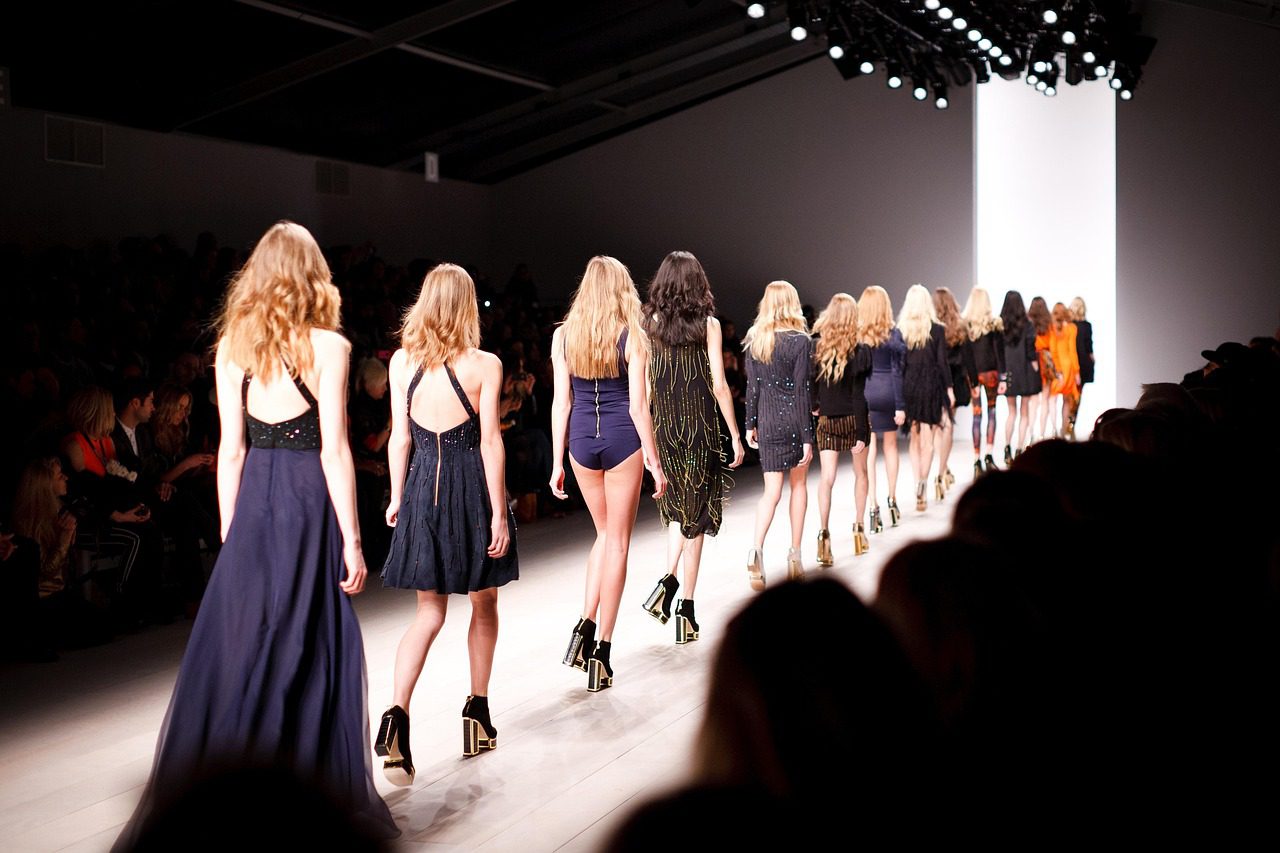
The 1980s saw the rise of the New Romantic style. Broad shoulders and neon colours were fashionable. Pop culture and stars like Boy George and David Bowie also heavily influenced the trends. By the 1990s, London fashion became more democratic. New directions were defined by emerging brands, notably the work of Alexander McQueen. He staged expensive and unique shows, and his popularity soared year after year.
Ultimately, 20th-century fashion in London serves as a unique barometer of social changes and political events. The metropolis was the place where fashion became the voice of generations, and contemporary design masterpieces are impossible to imagine without the rich legacy of the last century. Джерела