

The history of London is rich with brilliant minds who have shaped science as we know it. One such figure was Ronald David Laing, better known as R.D. Laing — an influential and highly controversial 20th-century psychiatrist.
He wrote extensively on mental health conditions like psychosis and schizophrenia. His radical anti-psychiatry views were so provocative that they sparked scandals and even damaged his reputation. Yet, he remains a profoundly influential and complex figure in the history of psychiatry. Next on londonka.
Early Life and Career Path
Ronald David Laing was born on 7 October 1927 in Glasgow to a strict Presbyterian family. His childhood was difficult; his mother would burn his toys and demand perfection, while his father and grandfather engaged in what biographer Daniel Burston described as “savage parlour scenes.” He initially attended Sir John Neilson Cuthbertson’s Primary School before transferring to Hutchesons’ Grammar School four years later. His teachers considered him a bright but fiercely competitive young man. A lover of classical literature and philosophy, he devoured books by Voltaire, Marx, Nietzsche, and Freud.
Laing went on to study medicine at the University of Glasgow, where he founded the “Socratic Club,” with philosopher Bertrand Russell as its president. He earned his medical degree in 1951 and subsequently served as a psychiatric officer in the Royal Army. He later moved to London, where he began conducting research at the Tavistock Clinic and the Tavistock Institute of Human Relations. His fascination with schizophrenia led him to write his first book, “The Divided Self,” in 1960. It became a bestseller and described schizophrenia as a split between a “normal” self and an “ontologically insecure” core, where the self fragments and produces psychotic symptoms. Despite his later reputation as a rebel, Laing was considered a “conservative” by his colleagues for his rejection of electroconvulsive therapy.
Professional Career
In 1960, Laing opened a private practice on Wimpole Street in London. Five years later, he and his colleagues established the Philadelphia Association, a charity dedicated to understanding and alleviating mental suffering. He also launched an experimental psychiatric community at Kingsley Hall, where doctors and patients lived together. There were no locks or antipsychotic drugs, but there were psychotherapy sessions and the use of LSD for therapeutic purposes. The commune was nicknamed a “schizophrenic’s shelter” and even hosted meditation, role-playing, and visits from celebrities like Sean Connery. The experiment lasted until the 1970s but ended in scandal following the use of LSD and the deaths of some patients. This controversial “innovation” effectively destroyed his reputation.
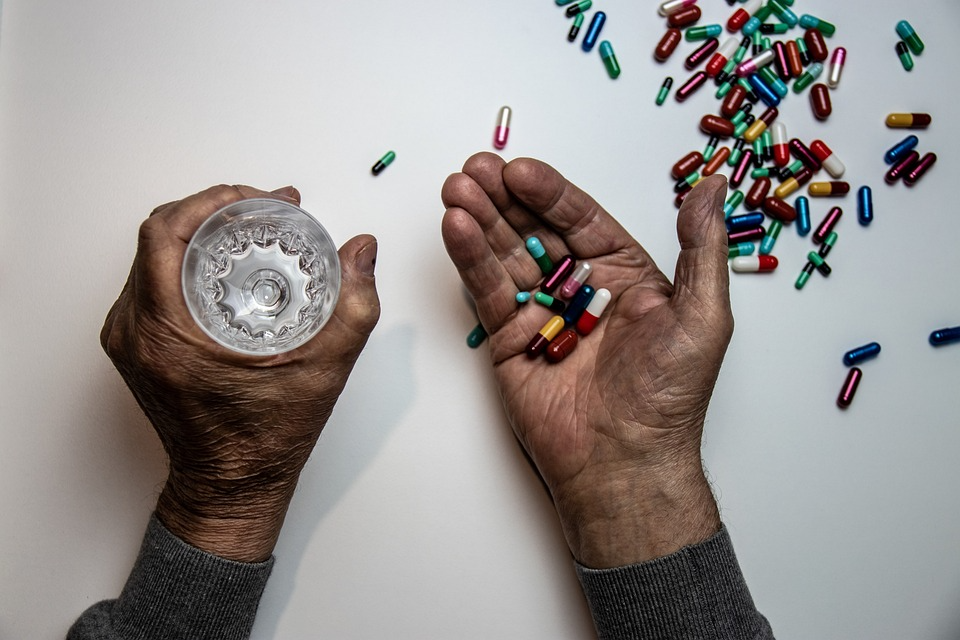
Laing became a leading figure in the anti-psychiatry movement, which challenged the traditional medical model of mental illness. In 1964, he co-authored “Sanity, Madness and the Family” with Aaron Esterson, arguing that schizophrenia was a result of dysfunctional family dynamics rather than a biological disorder. He was a fierce critic of psychiatry’s use of stigma and advocated for healing through group therapy.
In 1967, Laing appeared on the BBC programme “Your Witness,” and his books and articles made him famous far beyond the UK. However, he struggled with alcoholism and fell into a deep depression. He resigned from medicine in 1987 after complaints of intoxication and unprofessional conduct.
Personal Life and Legacy
Ronald David Laing’s personal life was as complex as his professional one. He fathered 10 children with four different women. His struggles with alcoholism undermined his standing in the medical community and strained his relationships with his children. He would sometimes disappear for months at a time and forget their birthdays. The psychiatrist died of a heart attack on 23 August 1989.

Laing left behind a controversial legacy. While he inspired fellow therapists within the Philadelphia Association, he also provoked countless debates. His ideas were largely philosophical and often criticised for their lack of rigorous empirical evidence. Some colleagues argued that his methods could be dangerous, particularly when patients with severe psychosis were not receiving traditional treatment. Nevertheless, his work profoundly influenced others who carried on his legacy. These include the Arbours Association, the New School of Psychotherapy and Counselling in London, and the annual R.D. Laing Symposium at the Esalen Institute. Laing also wrote poetry, with collections like “Knots” and “Sonnets” among his publications.
In 2017, the film “Mad to Be Normal,” starring David Tennant, brought Laing’s story to a new audience, though his son, Adrian, criticised it for its inaccuracies.
Ultimately, Ronald David Laing’s work transformed 20th-century psychiatry. He challenged the very notions of “normality,” health, and illness. His work wasn’t just about clinical experiments; it was a catalyst for a broader discussion on human suffering. While many of his practices remain highly debated, they undoubtedly pushed the medical community towards more humane approaches, expanded patient rights, and highlighted the critical importance of a patient’s environment and family.