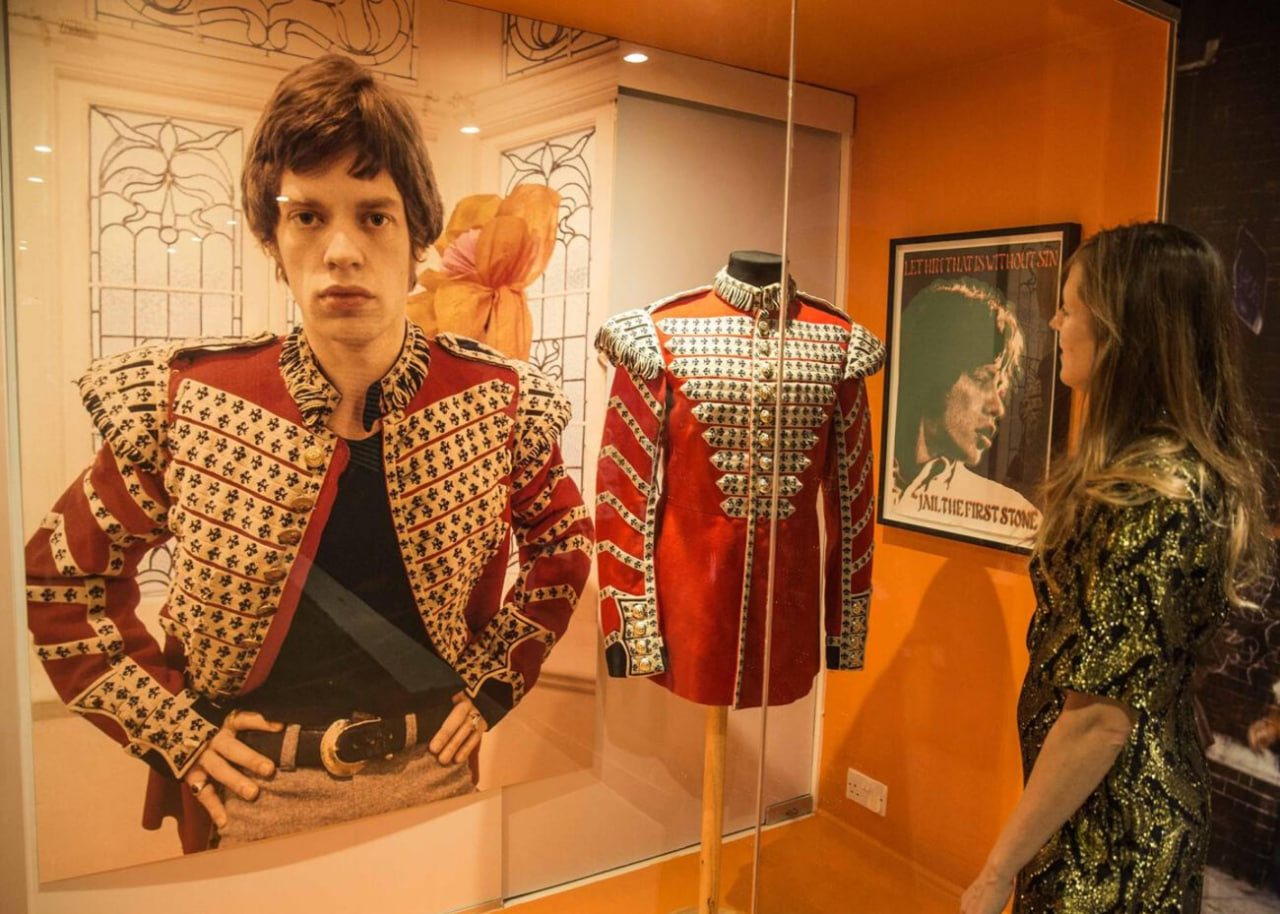

To his contemporaries, the name Michael Fish was synonymous with sartorial daring and innovation, though his path to acclaim was anything but smooth. Operating in an era where menswear rarely strayed from rigid tradition, Fish’s ideas felt nothing short of revolutionary. By introducing vibrant fabrics, unconventional silhouettes, and decorative flourishes, he effectively forged a new aesthetic. His influence resonates to this day, proving that true innovation never goes out of fashion. Read more on londonka.
The Early Career and Breakthrough of Michael Fish
Michael Fish was born on 11 May 1940 in Wood Green, London. His family was worlds away from the glamour of fashion: his mother worked in a chemist’s, and his father was a racecourse bookie. Lacking a formal education, the young Fish entered the workforce early, landing a job at 15 cleaning counters in a London department store. It was here that the young enthusiast met seasoned craftsmen and received his first lessons in the trade. He was particularly influenced by the renowned shirtmaker Kenneth Williams, who helped him master the nuances of the tailor’s art.
Fish’s career progressed rapidly as he moved through increasingly prestigious establishments—starting in the workshops of Jermyn Street, moving to New & Lingwood, and eventually joining the legendary house of Turnbull & Asser. It was there that he first established himself as a designer with a distinct vision. A pivotal moment in his rise was his acquaintance with actor Sean Connery; the high-profile client not only elevated Fish’s status but also helped popularise the brand with a global audience. In 1965, he introduced a new breed of neckwear—wide, colourful, and boldly patterned. These became known as “Kipper” ties, becoming the ultimate symbol of menswear’s “New Wave.” His designs perfectly captured the psychedelic spirit of the sixties and became an overnight sensation.
This success emboldened Fish to strike out on his own. In 1966, alongside business partner Barry Sainsbury, he opened a boutique in one of London’s most prestigious districts. The “Mr Fish” shop quickly became a mecca for the style-conscious, attracting both established establishment figures and a younger generation seeking self-expression through clothing. In doing so, the designer did more than just sell clothes—he helped dismantle the social barriers of fashion.
However, there was a flip side to Fish’s 1960s influence: a level of luxury that didn’t always align with economic reality. His garments were defined by opulent fabrics like silk, brocade, and velvet. Even his simplest suits carried a hefty price tag, limiting his clientele to a select few. The situation grew precarious in the early 1970s when his primary backer, John Barry Sainsbury, withdrew funding. The designer fought to save his business—seeking new partners, changing locations, and trying to adapt—but a cooling economy and shifting trends ultimately worked against him.
After Mr Fish: Seeking New Horizons
Faced with these challenges, Michael Fish decided to embark on a new chapter abroad. He moved to New York to work for Sulka, a brand famed for its exquisite silk dressing gowns. By 1978, he had returned to London, where his life took an unexpected turn. He began working at the prestigious Embassy Club, a nightlife staple often compared to the legendary Studio 54. In 2004, the designer’s life was tragically altered by a severe health crisis; a ruptured aorta led to a major stroke. He spent his final years in a nursing home and passed away on 10 January 2016.
More than four decades after its peak, the Mr Fish brand was granted a second life. The revival focused on what first made him famous: high-quality shirts with characteristically bold designs. Investor David Mason saw the potential in bringing the name back and backed its relaunch. Today’s collections maintain the spirit of the original, blending impeccable British quality with a touch of daring extravagance. Michael Fish’s legacy remains palpable; his ideas regarding freedom in menswear—specifically his experiments with form and silhouette—continue to echo in the work of modern houses like Gucci and JW Anderson.
The Legacy and Impact of Michael Fish
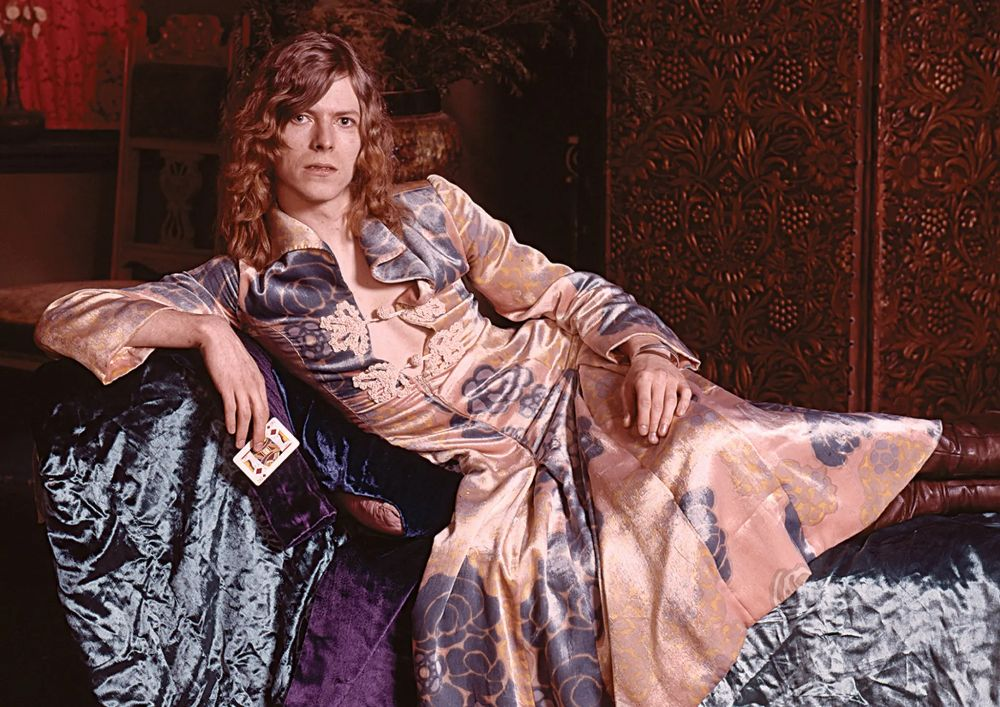
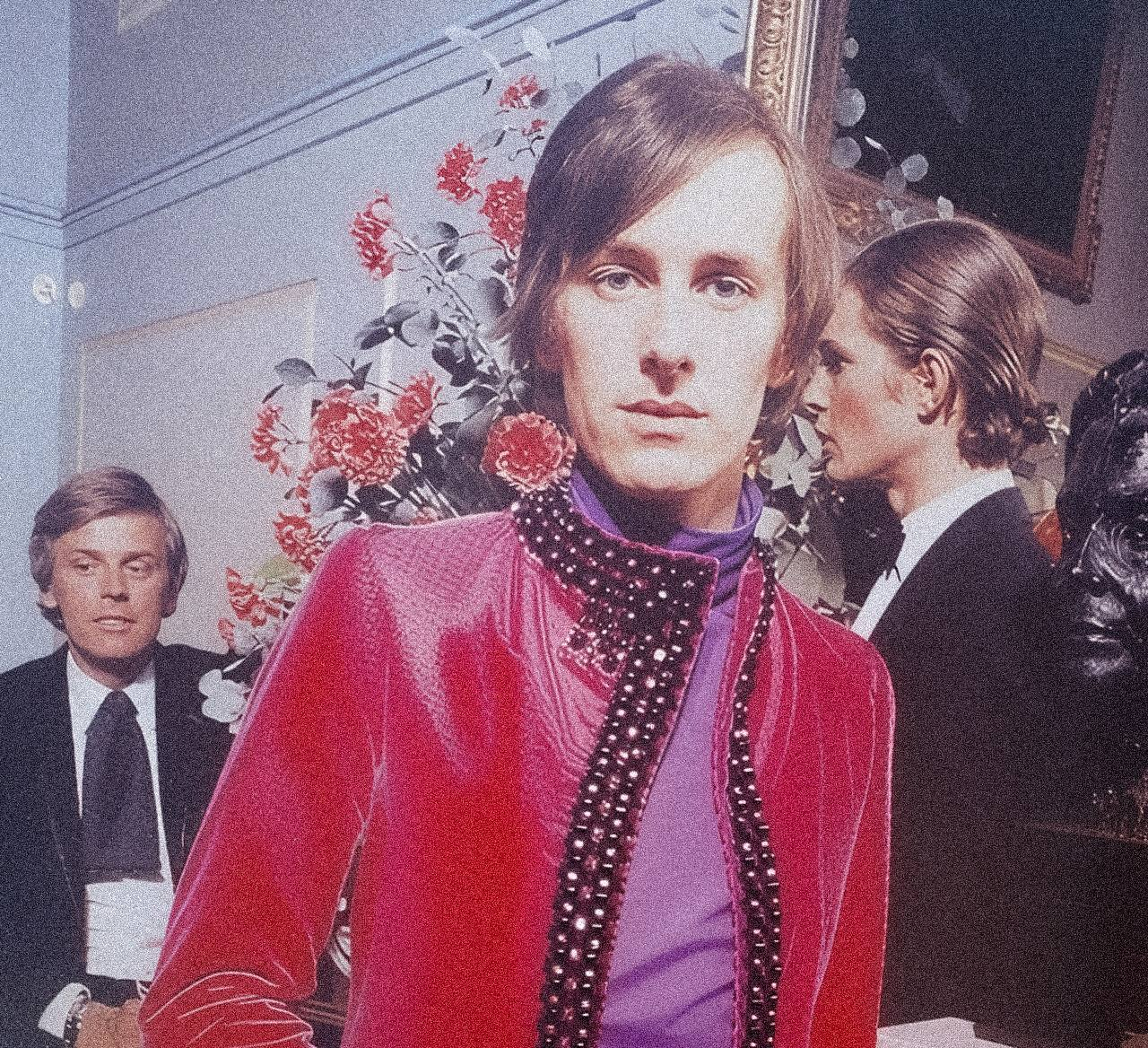
It is difficult to overstate Fish’s achievements; he effectively reshaped the perception of menswear during one of its most conservative periods. In an era where City boardrooms were dominated by sober suits, bowler hats, and stiff collars, he offered a bold alternative—a vibrant, artistic, yet historically-inspired aesthetic. His style blended dandyism with elements of past eras to create a fresh vocabulary for the male wardrobe. Perhaps his greatest contribution was his ability to blur social boundaries. The Mr Fish brand united people from vastly different worlds, from the aristocracy to avant-garde artists and musicians. His client list was a “who’s who” of cultural icons, including Mick Jagger, David Bowie, Jimi Hendrix, Sammy Davis Jr., and Duke Ellington, as well as Princess Margaret and Vanessa Redgrave. This diverse following stands as a testament to the universal appeal and enduring charm of his vision.