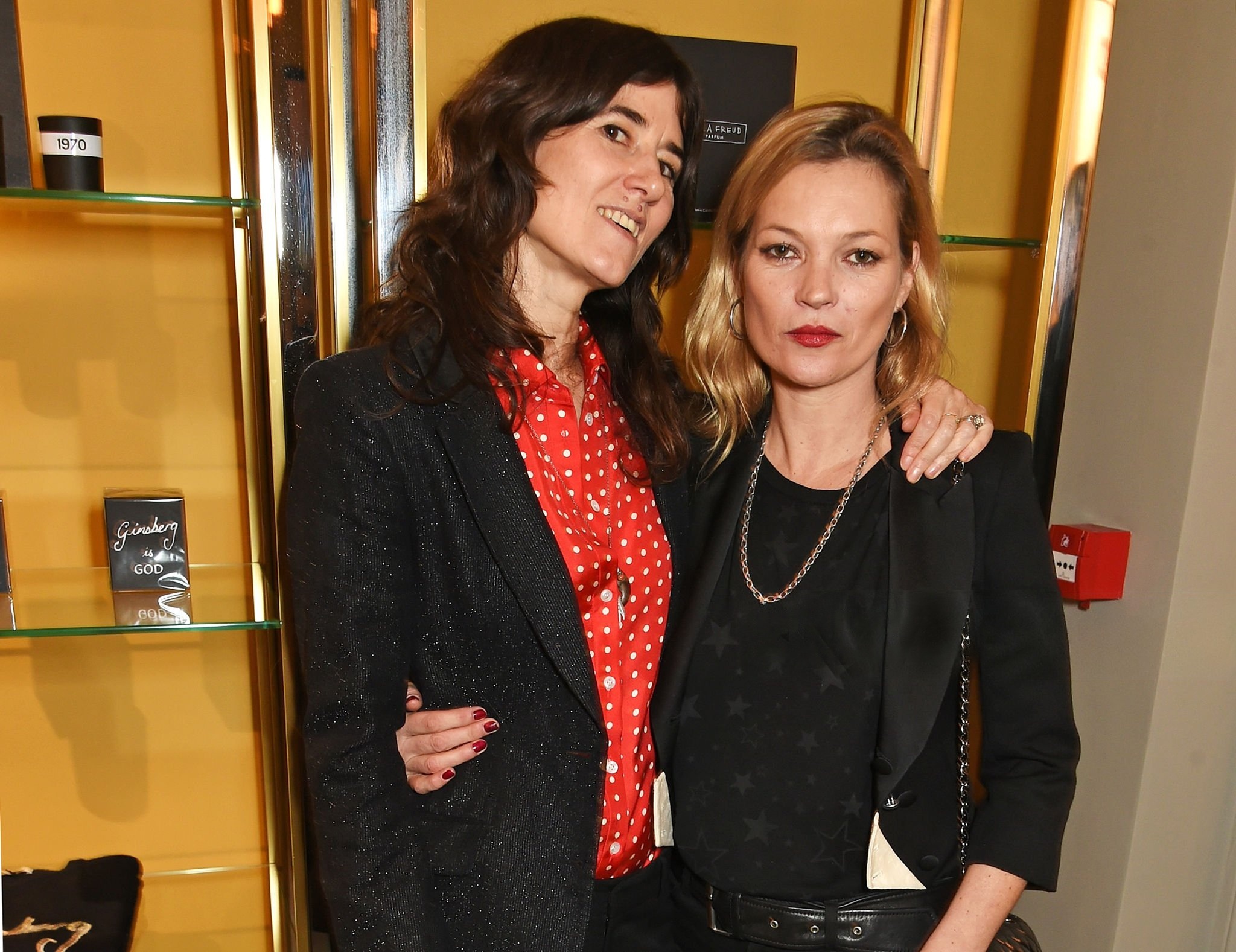

Bella Freud is one of the most vibrant figures in contemporary British fashion, a designer who has successfully blended intellectual depth with a distinct and expressive aesthetic. Her work is characterised by ironic slogans, cultural allusions, and a subtle sense of psychological nuance. Drawing inspiration from her family’s formidable artistic heritage, she has created a unique style that goes far beyond the boundaries of traditional design. Read more on londonka.
From a Nomadic Childhood to Finding Her Voice
Isobel Lucia Freud was born in London on 17 April 1961, the daughter of the renowned painter Lucian Freud and the writer and artist Bernardine Coverley. The divorce of her parents proved to be a turning point in her life, bringing a sense of instability and forcing her to adapt to constant change. Her childhood was defined by a whirlwind of travel, reflecting her mother’s adventurous and spiritual nature. She spent significant periods in Marrakech, as well as living in France and the West Indies. On one hand, this lifestyle fostered resilience and flexibility; on the other, it left her with a sense of emotional distance from her mother, whom she would later describe as both inspiring and detached.
Bella Freud received her education at Michael Hall School, an institution based on the Steiner-Waldorf system. The curriculum there prioritised creative development over conventional academic achievement. In keeping with this educational model, she left school at the age of 16 without any traditional qualifications. She continued her professional path in the fashion world in Rome, enrolling at the Accademia di Costume e di Moda to study fashion design. Later, she refined her technical expertise in tailoring at the Istituto Mariotti. This period served as the essential foundation for her craftsmanship as an emerging designer.
Crafting the Bella Freud Fashion Code
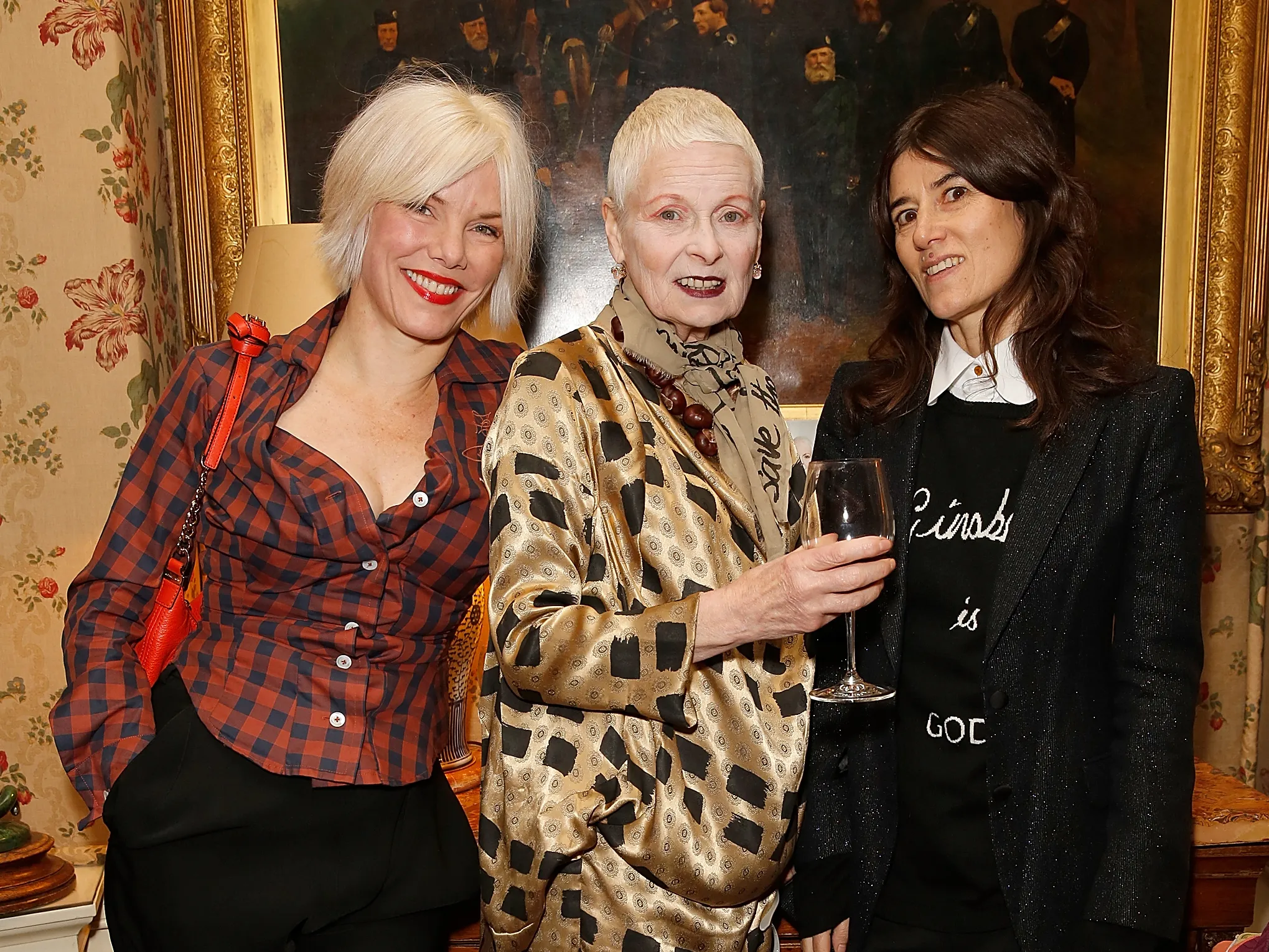
In the early 1980s, Bella Freud returned to London, and in 1986, she began working as an assistant to the legendary designer Vivienne Westwood. It was here that she fully immersed herself in the atmosphere of punk fashion, mastering its signature techniques—from deconstructed corsetry to historical draping. Under Westwood’s guidance, she also learned the art of working with graphic prints and bold patterns, which would eventually become cornerstones of her own style. This experience not only shaped her as a designer but also opened the doors to a world where the fusion of historical motifs and a rebellious aesthetic became her recognisable trademark.
By 1990, Bella Freud took a bold step towards independence by founding her own eponymous womenswear brand in London. Her label quickly distinguished itself through a unique philosophy: instead of blindly following trends, she focused on creating “pieces with character”—clothing that conveys emotions, stories, and cultural references. The brand grew amidst the constant flux of the fashion industry, yet the designer consciously chose a path independent of fleeting fads. She reimagined the elements of punk aesthetic she had absorbed while working with Vivienne Westwood, giving them a contemporary resonance. Over time, the Bella Freud brand has adapted to global industry shifts, from the transition to digital sales channels to selective collaborations that allow it to maintain its exclusivity.
In 2003, Bella Freud, alongside the academic Karma Nabulsi, co-founded the HOPING Foundation. The charity’s mission is to support Palestinian refugee children, particularly those in the Gaza Strip. The organisation focuses on humanitarian aid, education, and psychological support for children living in conflict zones. To raise funds, Freud has organised a wide range of events—from charity auctions to star-studded karaoke nights at iconic London venues such as Annabel’s Club and Ronnie Scott’s. The designer has also integrated her fashion business into her philanthropic work, directing profits from limited-edition collections to support the foundation’s initiatives.
In October 2024, Bella Freud embarked on a new creative venture with the launch of her podcast, Fashion Neurosis with Bella Freud. Initially an independent project available on Spotify, Apple Podcasts, and YouTube, the series gained significant scale in 2025 through a partnership with Vox Media. The podcast format is designed as a “therapeutic conversation” inspired by psychoanalytic sessions. Guests are invited onto the sofa in Freud’s London studio for candid discussions about fashion, love, and the human psyche. One of the most striking moments was the debut episode featuring Rick Owens, where they explored themes of gothic aesthetics and personal vulnerability within the context of style.
Legacy and Cultural Significance
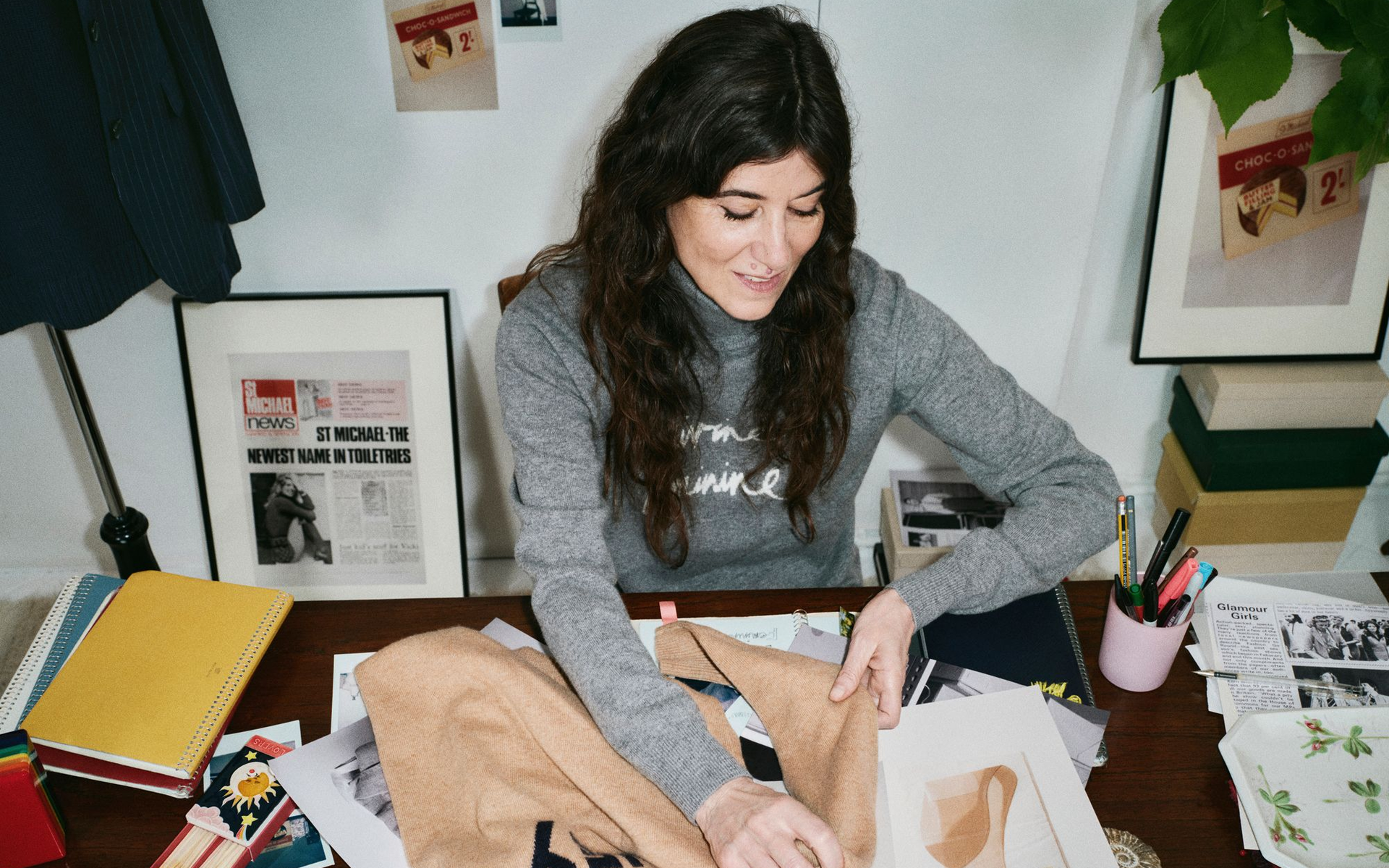
Bella Freud’s designs, with their iconic slogans and cultural nods, have achieved cult status because they appeal not just to aesthetics, but to the wearer’s inner world. The brand’s popularity has been significantly bolstered by the support of high-profile figures such as Sienna Miller, Zadie Smith, and Little Simz, who are frequently seen in her designs. A new chapter of her public influence began with the 2024 launch of the Fashion Neurosis with Bella Freud podcast. In this series, she explores the intersection of fashion and psychoanalysis through deep-dive conversations with guests like Kate Moss, Courtney Love, and Nick Cave. Freud has also proven her talents as a director, creating the films Hideous Man and The Cut in collaboration with the British Film Institute.