

In the 1920s, the British motorcycling industry launched a marketing campaign aimed at capturing the female market. Manufacturers hoped to boost sales through specialised models and technical adaptations. However, the strategy proved divisive, sparking outright hostility from the traditionally male audience. It was within this contentious atmosphere that the London Ladies’ Motorcycle Club (LLMC) began its work. The club was destined to transform more than just commercial tactics; it redefined the very role of women in sport. More on londonka.
The Foundation and Growth of the London Ladies’ Motorcycle Club
The LLMC was founded in 1926 or 1927 by the renowned racer and stunt rider Jessie Hole. Under her leadership, a formal management structure was established, with Kathleen Pelham Burn serving as President and Betty Debenham as Press Secretary. By joining the South-Eastern Centre of the Auto-Cycle Union, the team legitimised its operations and invigorated women’s racing across the country.
Success for the London Ladies’ Motorcycle Club followed quickly. By 1927, they had triumphed at the Archery Sports motorcycle trials, outperforming several male teams. This victory proved that women could compete as equals in technical sports. In 1928, the team secured another win at an event led by the Essex Motor Club. From then on, the LLMC began organising its own competitive events for both men and women.
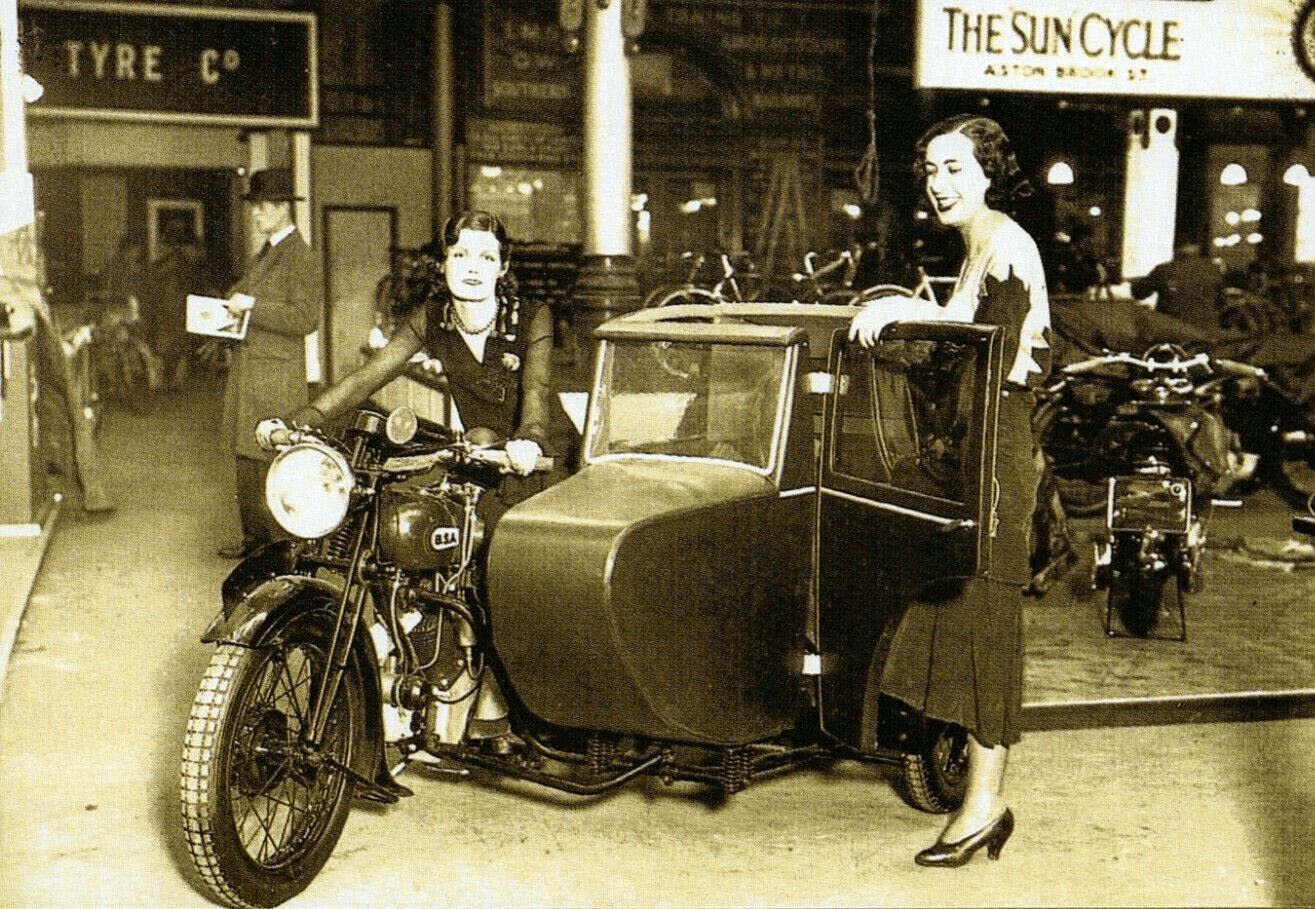
Recognising the power of communication, the club launched its own members’ magazine in 1930. This platform allowed them to showcase their activities, including their presence at the prestigious Olympia Motorcycle Show. The exhibition was the premier stage for the latest models from giants such as Harley Davidson, Triumph, Ford, Dodge Brothers, and Johnson & Smith. Through such exposure, the team established its reputation on the international motorsport stage.
The club’s magazine adopted the relaxed, conversational tone typical of the late 1920s and early 30s. It covered a broad spectrum of topics, from practical maintenance and technical advice to news and event calendars. The publication served as both an information hub and a vital tool for uniting a progressive sporting community.
It was within the pages of this magazine that the LLMC celebrated its fifth anniversary in 1931. In a short span, the club had achieved remarkable milestones: winning major competitions, hosting its own events, establishing a periodical, and building a dedicated community of female enthusiasts.
In 1931, the club also organised an ambitious 60-kilometre trial across Surrey and Kent. The event featured a unique role reversal: the competitors were men, while the judges were women. By 1935, the team took another significant step by announcing the first-ever team competition exclusively for women. However, by 1951, Jessie Hole was forced to leave life on two wheels behind due to family commitments, turning her focus to caring for her ailing mother and raising her young son.
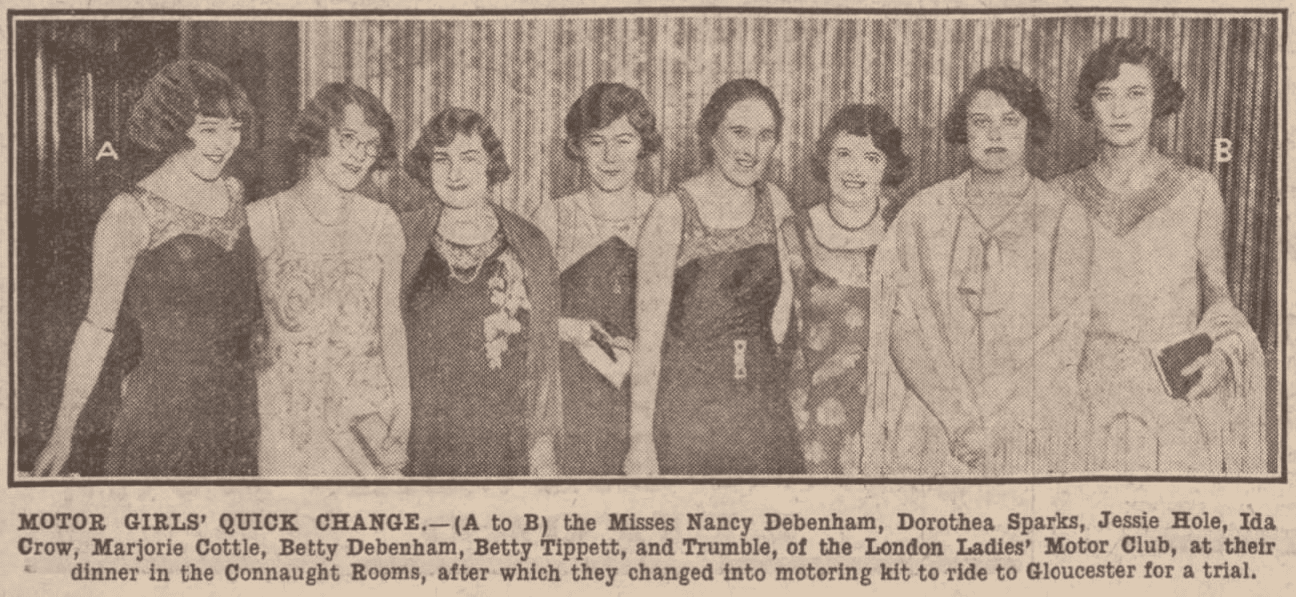
Wikipedia
Legacy and Impact of the LLMC
The London Ladies’ Motorcycle Club played a pivotal role in expanding opportunities for women in sport, engineering, and society at large. The club’s development was driven by trailblazers such as Nancy Debenham, Marjorie Cottle, Victor Bruce, and Violette Cordery. Together, they created a space for sharing expertise, offering mutual support, and forging a new collective identity for female motorcyclists.
Colin Kirsch