

Until the mid-19th century, education for British girls was largely confined to the home, with governesses often lacking any formal pedagogical training. This began to change with the emergence of specialised institutions designed to provide professional training for middle-class women. During this period, the Maria Grey Training College became one of the most influential establishments of its kind. Read more on londonka.
The Founding and Evolution of Maria Grey Training College
The Teachers’ Training & Registration Society College opened its doors on 1 May 1878 at the Clergy House on Skinner Street, Bishopsgate. An initiative of the Women’s Education Union, the college aimed to secure equal opportunities for women in the teaching profession. Maria Georgina Grey, a prominent advocate for women’s education and suffrage, played a pivotal role in its founding. Her tireless efforts helped establish the college as a leading centre for teacher training in the country.
In 1885, the college moved to Fitzroy Square, and the following year it was renamed Maria Grey Training College in honour of its founder. To enhance practical training, the institution partnered with Brondesbury and Kilburn High Schools. This collaboration allowed aspiring teachers to hone their skills in genuine classroom environments.
The college reached a new milestone in 1892 with the construction of purpose-built facilities and a high school designed by architect James Osborne Smith. The project cost £11,500—a sum exceeding £1.5 million in 2025 terms. This represented a major investment in modern infrastructure for the development of qualified educators.
That same year, Alice Woods took over as principal. While she was perhaps better known for her educational vision than her administrative flair, she focused heavily on raising academic standards. Under her leadership, the curriculum expanded to cover all teaching specialisms beyond early years education. Woods was a pioneer in integrating modern methodologies, notably the approaches of Maria Montessori and Friedrich Froebel. The former empowered children to lead their own learning through self-directed exploration, while the latter championed holistic development and creativity through play, nature, and hands-on experience.
In 1946, Maria Grey Training College relocated to Twickenham. Further structural shifts occurred in 1976 when it merged with Borough Road College and Acton and Chiswick Polytechnic to form the West London Institute of Higher Education. The academic scope gradually broadened to include programmes in American Studies, Literature, History, Geography, Social Work, Physiotherapy, and the Arts.
Despite its steady progress, the West London Institute eventually underwent a final merger, becoming part of Brunel University in 1995. By 2005, the department moved to Uxbridge, and the original college buildings were sold.
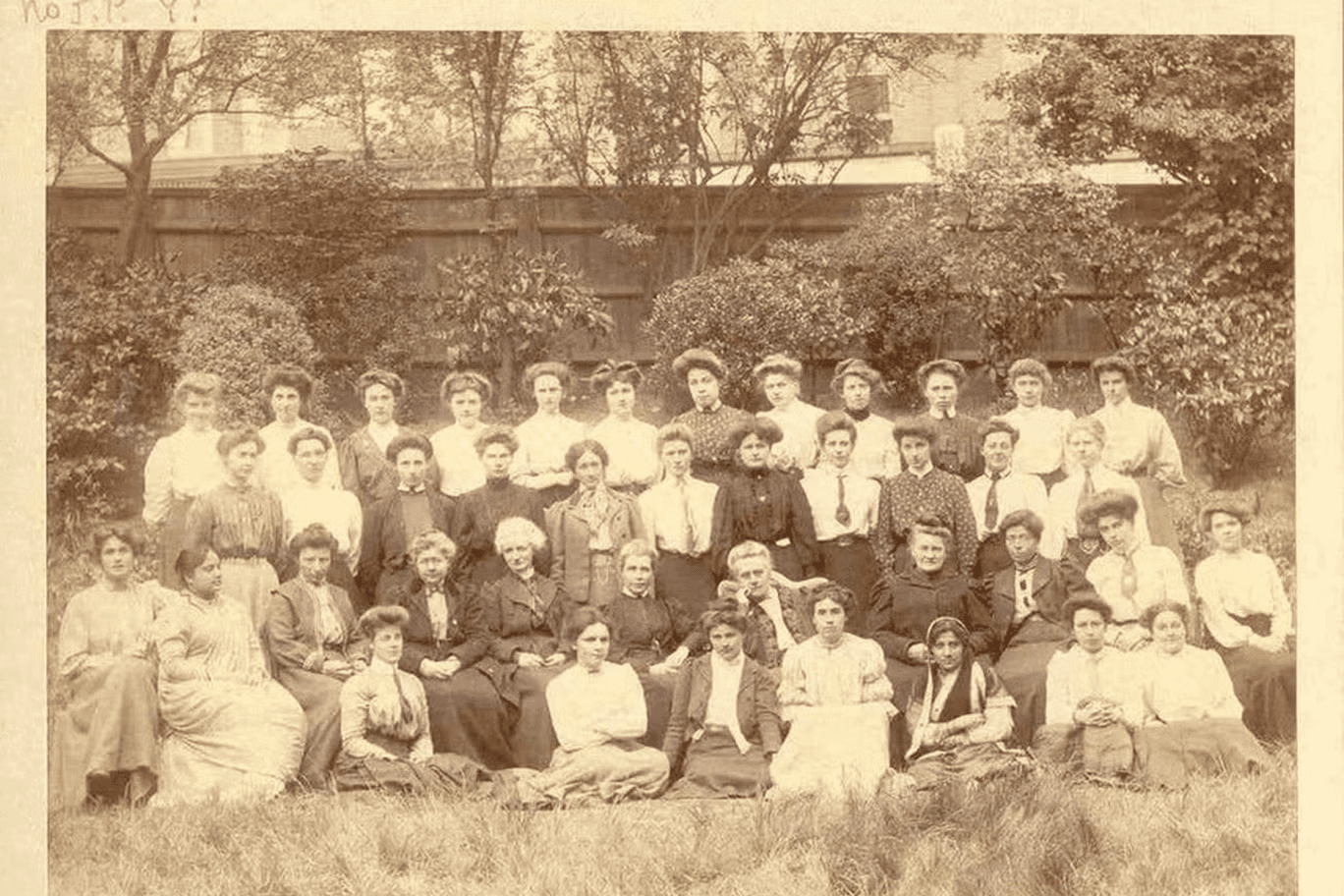
The Independent
The Legacy and Impact of Maria Grey Training College
Maria Grey Training College was a cornerstone in the advancement of women’s education in Great Britain. Its distinguished alumni, including Mary Russell Walker, Madiha Omar, and Charlotte Laurie, stand as a testament to the institution’s academic excellence and its profound contribution to social change.
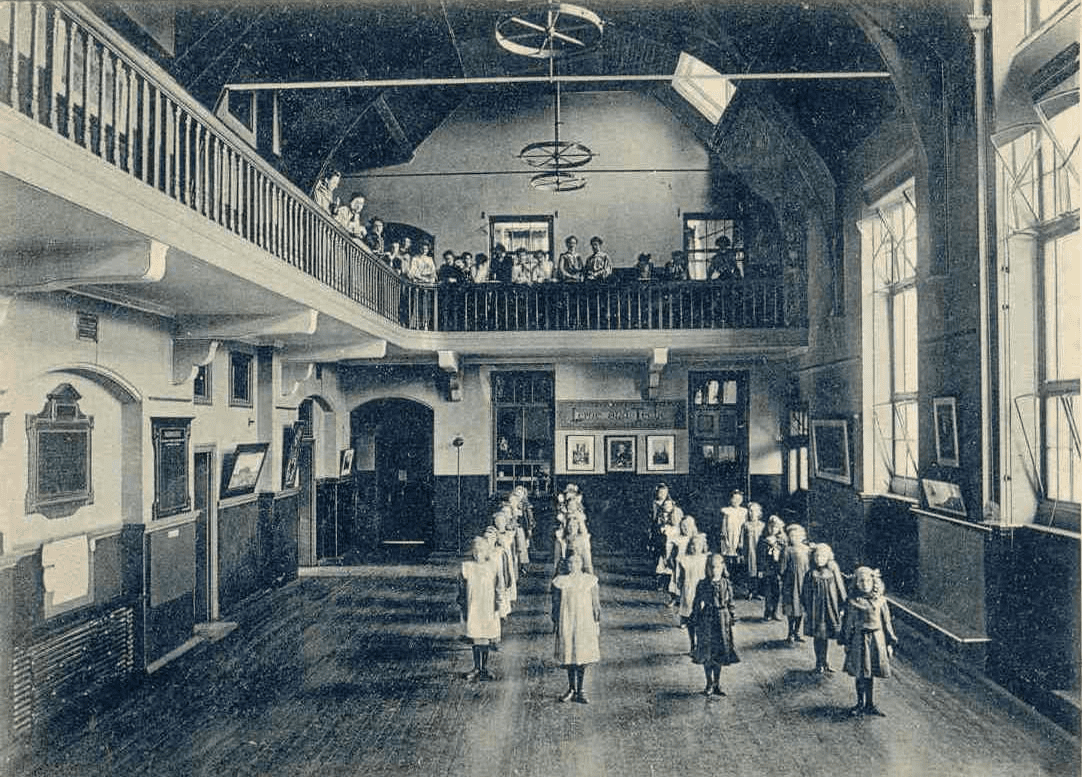
Brunel University Archives & Special Collections