

Women have always loved to dress well. This hasn’t changed over years and centuries, as women have constantly sought to impress with exquisite gowns or sharp suits. Throughout the ages, London fashion has undergone enormous transformations, mirroring cultural, social, and economic changes. Women experimented with new trends and silhouettes while maintaining a sense of refinement and classic style.
Female fashion in London has been, and remains, incredibly diverse—from confining corsets to liberating miniskirts. Fashion has always reflected the changes happening in the city and showcased the ideals of different eras. Today, British style, particularly among Londoners, combines elegance with audacity, securing the metropolis’s place as a global centre of the fashion industry. Read more at londonka.
The Grandeur of the Past
In the Mediaeval era, the clothing worn by London women was complex and multi-layered, featuring intricate details. It was most often made from luxurious materials like velvet and silk and adorned with silver thread and various decorative elements. Designs typically featured flowing dresses with long sleeves and tightly cinched waists. Headwear included veils, as well as the iconic hoods of the Tudor era. The most famous woman of these periods was Queen Elizabeth I, who favoured extravagant attire and meticulously curated her personal wardrobe.
Most of the city’s aristocracy was based in the West End, where women would stroll through the parks and squares. This encouraged investment in the garment trade, as women sought to own outfits for various social occasions and to feel beautiful.
In the 18th century, fashion was elegant and sophisticated, marked by the use of lighter fabrics and pastel tones. Women wore dresses with fitted bodices and wide skirts held up by special hoops or cages. These skirts were made of silk and decorated with original embroidery. London women took inspiration from the style of Marie Antoinette, adding details like lace or bows to their look. Corsets were worn to achieve a tiny waist.
Women also carried fans, and their elaborate hairstyles were adorned with feathers and ribbons. Prototypes of modern handbags and gloves also appeared during this period. In the mid-1700s, famous London entrepreneurs on Savile Row, Jermyn Street, and St. James’s established the iconic English tailoring style that remains popular today.
The Victorian Era
The Victorian period is remembered for its intricate and formal fashion. It was the time of Queen Victoria’s reign and was characterised by modesty and femininity. The Industrial Revolution provided Londoners with new textile products and materials used to create the complex outfits of the time. Corsets remained popular, but they gradually became less severe as women desired a more natural, subtle silhouette.
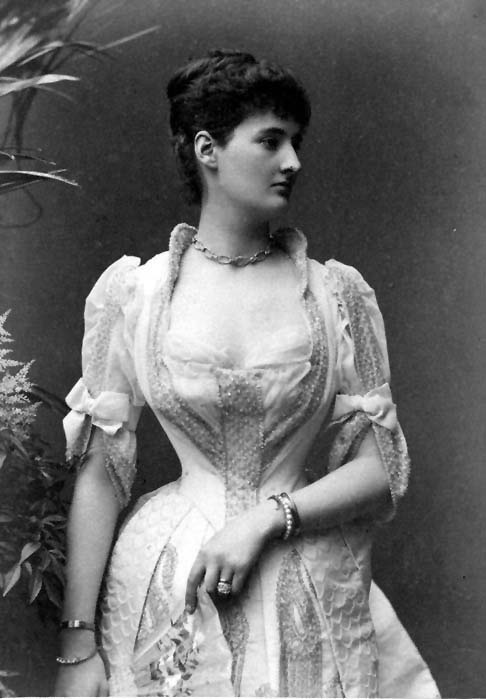
Victorian women typically wore long dresses adorned with jewels, lace, or complex embroidery. High gloves often complemented formal attire. In the early 19th century, high waists were fashionable, but by the mid-century, women returned to voluminous skirts with frames (crinolines).
The late Victorian era was defined by severe lines, darker colours, and long sleeves. The fashion industry expanded to cater to the wives of wealthy businessmen and actresses. Fashion magazines popularised women’s styles. By the mid-19th century, the tax on paper was abolished in London, increasing the number of publications, especially magazines aimed at women. Around the same time, magazines began featuring paper patterns for home sewing.
20th Century Women’s Attire
The 20th century was a time of massive changes in British fashion, and these transformations certainly reached London. New clothing models emerged, sometimes borrowed from other cultures, but World War I necessitated adjustments to women’s style. Women began wearing shorter skirts and even trousers, though this wasn’t yet mainstream fashion. Still, dresses remained the primary item in a woman’s wardrobe. They now featured a straighter, fitted silhouette, setting a new trend. After the war, dresses were embellished with sequins, beads, and rhinestones.
During World War II, women’s clothing was quite practical because most women were doing men’s jobs and needed comfortable clothes. Women wore suits, and due to fabric rationing, evening dresses were barely decorated.
In the 1960s, London became the world’s fashion capital. The “Swinging London” style introduced women to bright colours, miniskirts, and bold patterns, famously popularised by The Beatles. In the 1970s, Londoners embraced ripped clothes and safety pins, with many looking to actress Vivien Leigh as a style icon. Later, voluminous silhouettes and casual sportswear from popular brands became fashionable. In the 1990s, fashion transitioned to minimalist design.
In conclusion, the attire of London women transformed every century. The city offers many fascinating fashion facts and historical garments from the past. To see them, you should visit the V&A Museum and the Museum of London, which hold some of the world’s largest clothing collections, including women’s gowns dating back to the 17th century. The Fashion and Textile Museum, founded by designer Zandra Rhodes, is another must-see, featuring exhibitions of fashion from various eras, including vintage women’s costumes.