

Beads, in their diverse shapes, colours, materials, and sizes, are popular all over the world. These small, seemingly insignificant items can reflect the cultural life of an entire nation, serve as religious attributes, carry symbolic meaning, or help make an impression on high society. Beads are not just empty trinkets; they are objects that mirror a history filled with the traditions of different peoples. So, how did the first beads appear? What were they used for in London? When did the practice of adorning clothes with beads flourish in the British capital, and what is special about the industry in modern fashion? Many answers can be found in the story of the brand Lace & Beads. Read on at londonka.
The Origins and Spread of Beads
The appearance and spread of beads are often linked to Africa. The first beads were quite simple and often unrefined, consisting of shells that African peoples found on the coast. Strung together, these figures of various shapes served as ritual attributes and ornaments. They have become a valuable historical resource, providing insights into the lives of early humans. Such beads appeared thousands of years ago and are considered as historically significant as the first cave paintings. Many years passed before the emergence of textiles and, later, ceramics. It was then that the world saw the first beads similar to those we know today.
When it comes to the history of beads in London, their religious significance is a key starting point. During the Middle Ages, in the monasteries of England (as in many other Western European countries), monks used rosary beads to count their prayers. For a long time, beads served primarily this purpose. The idea of decorating Londoners’ clothing with beads was not yet in vogue. Ornaments were sometimes made from beads, but this was not a widespread practice.
The flourishing and popularisation of beaded embroidery on clothing occurred in the 1920s. Of course, experiments with decorating wardrobe items with various beads and sequins had taken place before this time. However, it was after the end of the First World War that the city experienced a breath of fresh air, leading to widespread transformations, particularly in fashion. The invention of electricity allowed such garments to sparkle on stage and on the television screen. As a result, beadwork became popular first and foremost among actresses, singers, and dancers. However, the trend of adding beaded accessories to an outfit or decorating fabric with beads can also be seen in the wedding dresses of members of the Royal Family.
The Unique Work of Lace & Beads

One of the most vibrant London brands that successfully combines beading traditions with contemporary trends is Lace & Beads. The company was founded in the British capital in 1976 and boasts considerable experience in creating distinctive clothing. They have gained great popularity thanks to their original dresses, offering a unique look for any event. There are collections of evening gowns as well as outfits for bridesmaids. This type of clothing typically showcases a superb lightness, complemented by charming embellishments that, rather than overwhelming the look, make it more refined. Today, Lace & Beads products can be seen in the windows of House of Fraser, ASOS, Zalando, Topshop, and many other London retailers.
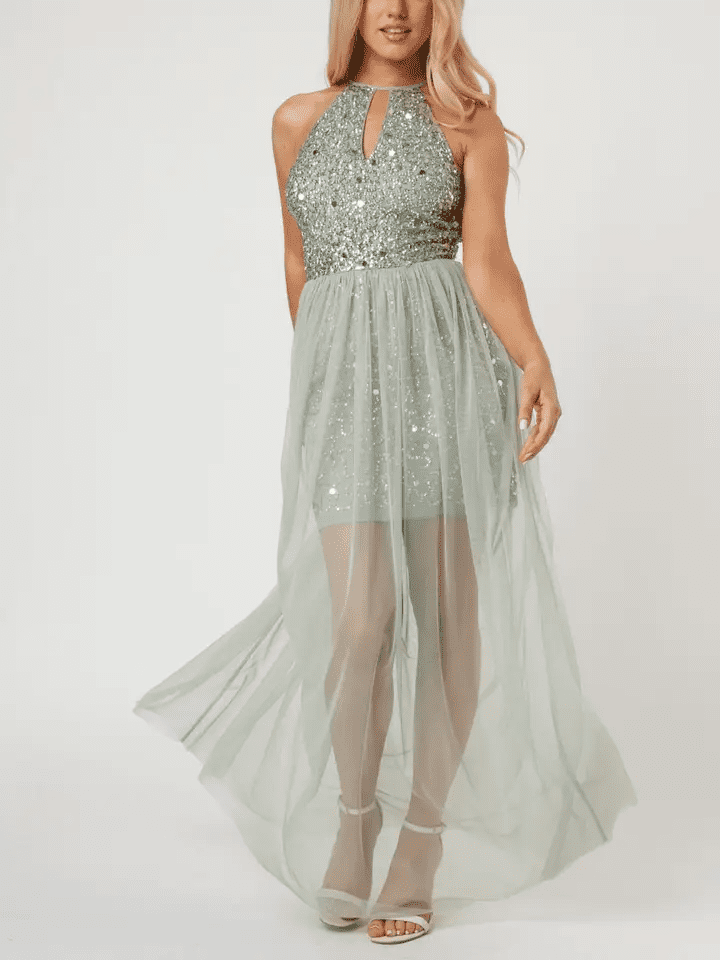
The most impressive is the Picasso Collection. This is a signature line of occasionwear, the vast majority of which consists of dresses decorated with beads. Incredible sleeves and tops, adorned with various patterns or completely covered in beading, are sure to captivate anyone. A special feature is that the embellishment is done by hand. In this way, Lace & Beads truly offers a special product while preserving the traditions established in London.