

The history of London can boast many famous personalities who made a significant contribution to the development of the metropolis. Their efforts, scientific works or social activities resulted in certain changes, the approval of new laws and changes in people’s opinions. Learn more at londonka.
In this article, we will tell you about Marie Stopes, a scientist and feminist from London, who supported birth control. Although her work, thoughts and speeches caused fierce opposition, especially from Catholics, she contributed to the softening of the position on birth control, abortion and contraception in general.
Childhood and youth
Marie Stopes was born in Scotland on October 15, 1880. Her father was an engineer and brewer. Her mother was fighting for women’s rights in Edinburgh. Her parents took the child to London where they bought a house. Both of her parents were members of the British Association for the Advancement of Science, so the girl attended various scientific meetings from an early age.
At first, Marie was educated at home, but from 1892, she attended St George’s School for Girls for two years. In 1902, Marie Stopes received a degree in natural sciences at University College London. Later, she entered graduate school in palaeobotany and received a doctorate at the University of Munich. The woman planned to be a scientist, but life changed her plans.
In 1911, Stopes married Reginald Ruggles Gates, a botanist. Later, Marie said that the marriage was childless and she knew little about sex at that time. The relationship was unsuccessful and after their breakup in 1916, the woman determined her career path.
Birth Control
After her divorce, Marie Stopes began to pay attention to such topics as sex, marriage and childbearing. She spoke about the importance of these aspects of public life. After all, birth control was initially seen as a way to improve marital relationships and as a means of relieving women of the stress caused by a large number of births. It is worth noting that the woman advocated a eugenic approach to birth control when the lower classes of society were forbidden to have children.
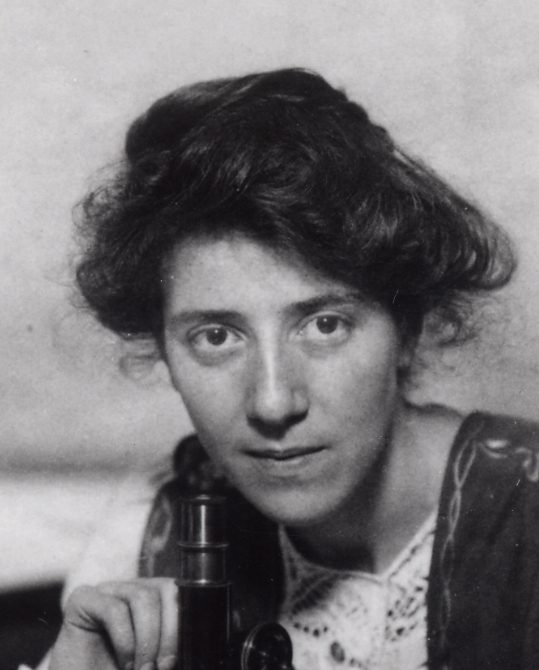
Stopes’ second husband, Humphrey Verdon Roe, also supported birth control and helped his wife in her activities. In 1918, she wrote the books Marriage Love and Wise Parenthood. Despite being controversial, they became very popular because they covered sex, contraception, women’s health and family planning. The books were translated and promoted because the ideas they covered were quite interesting and even radical. Marie not only wrote but also actively promoted the sterilization law.
In 1921, Marie Stopes opened a birth control clinic in North London. The facility provided counselling on family planning, gave away contraceptives and told women how to prevent unwanted pregnancies. In 1925, the clinic moved to Central London. At the same time, Marie gradually developed a whole network of clinics throughout the UK.
Feminist activities
Step by step, Marie Stopes’ activities changed society’s view of reproductive health. She repeatedly reminded women about their right to control their own bodies and the number of children they had. It would give them the opportunity to get an education, make a career and live a full life. Marie said that women should be happy in marriage and have a positive experience of intimate life. Her speeches and opinions were quite controversial for that time, but a large number of people, even men, supported the idea of equal relationships.
Even though Marie Stopes’ beliefs were heavily criticised, especially the views on eugenics, her work changed the world and her contribution to society is heavy to overestimate. Her international organisation called Marie Stopes International continues its activities even today, providing consultations in family planning, reproductive health and safe abortion. The organisation has offices in 40 countries around the world.